What Does a Coker Operator Do at a Refinery?
A coker operator runs a refinery unit that uses heat to break down heavy oil. It makes lighter streams and a solid called petroleum coke. On shift, the operator checks the gear and notes how the unit ran. They tell the next crew what still needs a check.
How Coker Operators Track Heavy Oil, Drums and Coke
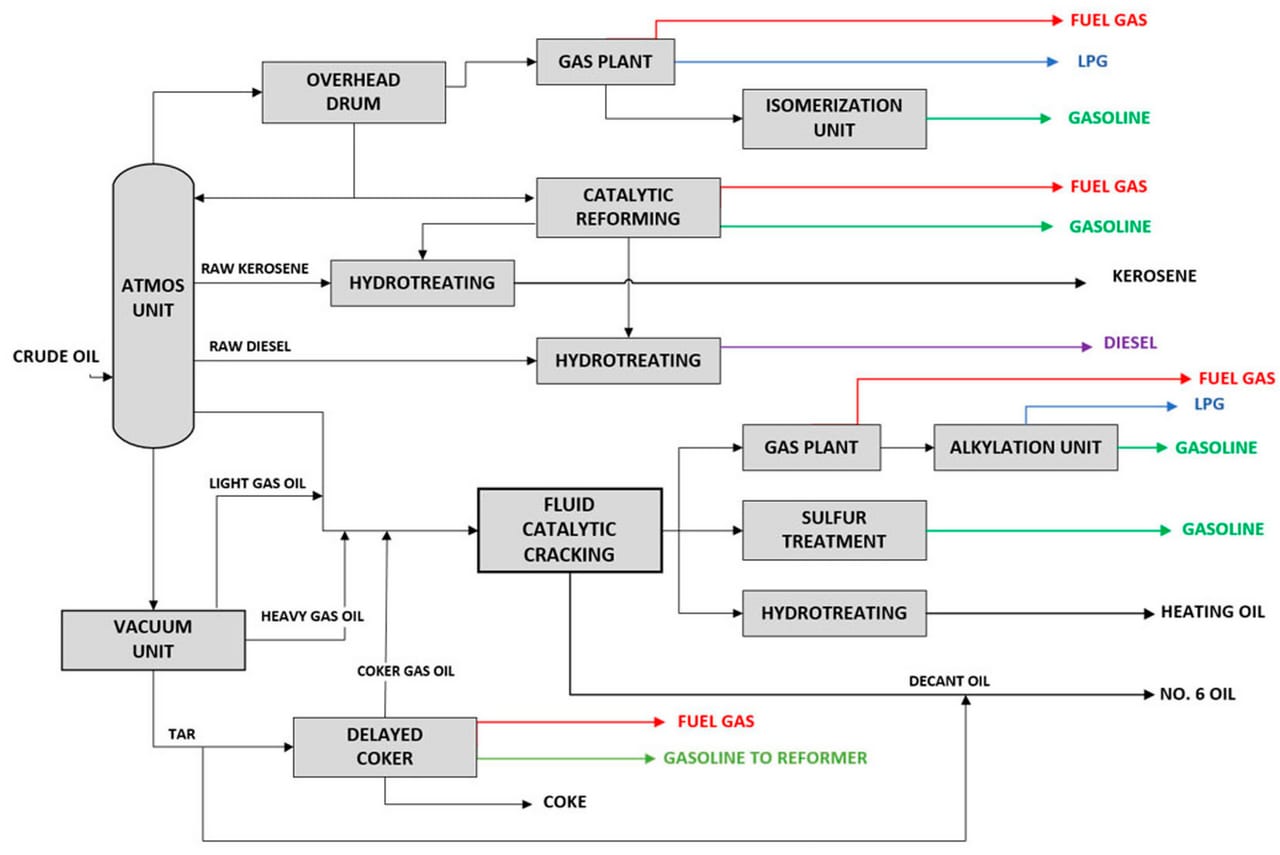
A coker turns heavy refinery feed into lighter streams and petroleum coke, a carbon-rich solid. This guide covers the operating role, not every kind of coke-handling job. A delayed coker uses drums through different parts of a cycle, so the crew must know the status of each one.
Field staff check the unit, record conditions and report changes to the control room. Console staff watch the wider process. Samples, logs and equipment status help the two teams maintain a shared picture. A process engineer can review a recurring problem or proposed change.
Work can include preparing equipment for maintenance within the site’s permits and authority. Keep restrictions and unfinished work clear at handover. The operating crew has its own tasks. Trades and coke-handling teams may own other work. Do not assume one coker title includes every task around the drums.
Coker Operator Wages and Job Outlook
Alberta’s broader oil, gas and chemical process operator range was CAD 32.00–72.12 per hour in 2023–2024. The middle 80% of U.S. refinery operators, petroleum pump operators and gaugers earned USD 27.46–55.71 per hour in May 2025. These figures cover more than coker units.
Canada projects 4,100 openings in its wider process group for 2026–2035. About 3,200 are due to retirement. The figures include other plants and replacement hiring.
Coker Operator Training for Refinery Work
Process study or plant work can lead into the role. Learn one area with an experienced operator first. The site then checks readiness for more duties. Some Canadian equipment work needs a power-engineering certificate. Check the unit and the province’s rules.
Heat, pressure, coke dust and moving equipment need task-specific controls. Maintenance and operating changes follow the site’s approved process. A general orientation does not qualify someone to switch drums, open equipment or change the operating program. Those tasks belong in formal plant training.
Challenges of Refinery Work for Coker Operators
Field work can be hot, noisy and physically demanding. Linked unit tasks mean a delay can affect several crews. Rotating nights and outage work also affect rest. The next shift needs a clear handover of each drum’s status and any restrictions, even when the plant has been running steadily.
Perks of Refinery Work for Coker Operators
You learn how a refinery makes usable streams from heavy feed. You also see how field and console teams share the work. Further training can lead to a console or lead role.