What Does a Control Systems Engineer Do?
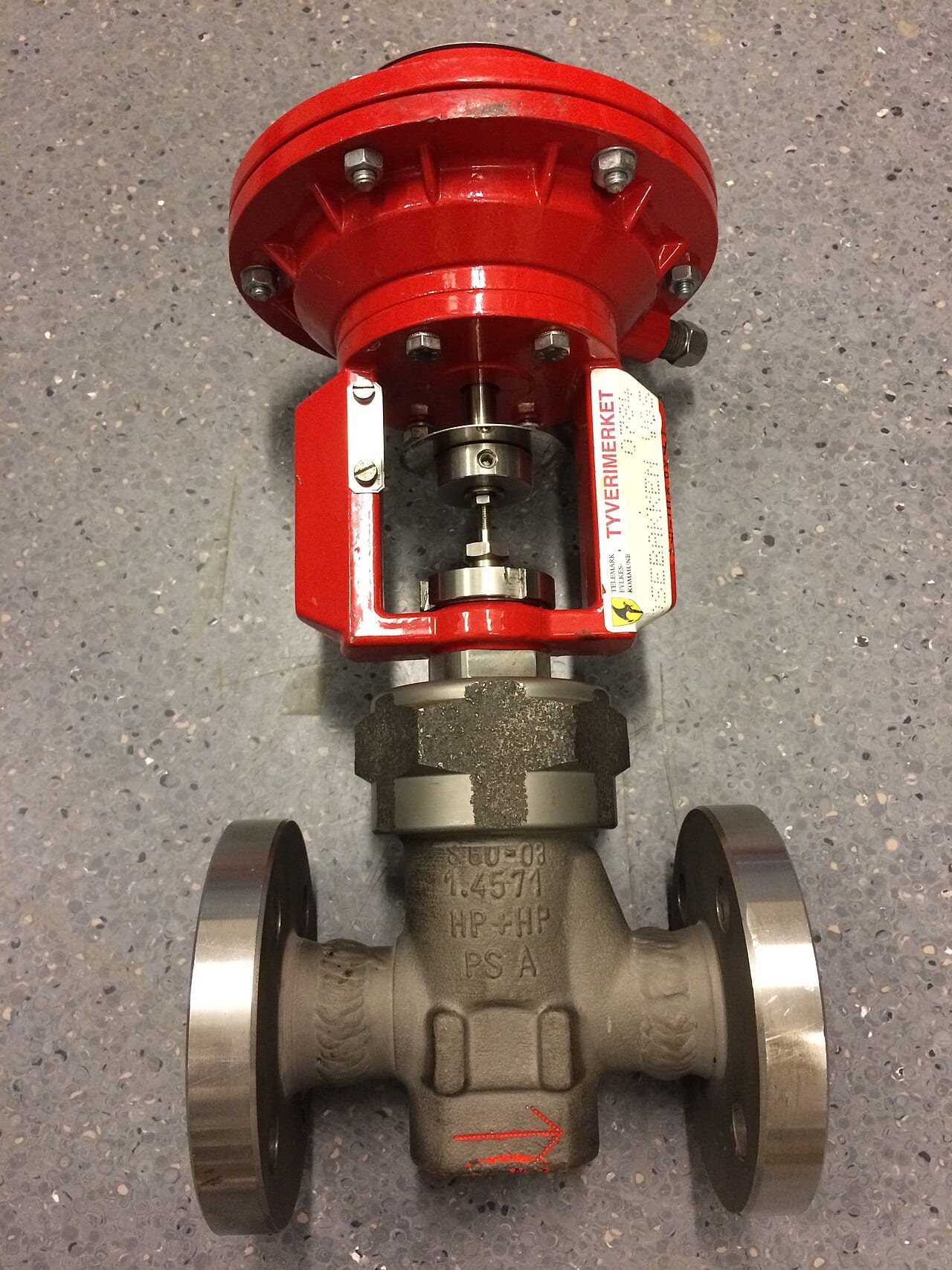
A control systems engineer designs and tests the controls that help an oil or gas plant run. Sensors show what is happening, and controllers tell valves or motors how to respond. You work with the people who run the plant to make sure those actions make sense when conditions change.
How Control Systems Engineers Design and Test Oil and Gas Plant Controls
Turn the plant’s process needs into a control design. Write the control descriptions and test plans. List the signals going into and out of the system. Plant logic may run in a programmable logic controller, or PLC. Larger plants may use a distributed control system, or DCS. Match the design to the real equipment and approved process.
Work with process, electrical and instrument staff on measurements, alarms and operator screens. Check how data move between controls and the plant historian. A technician may install and maintain devices; the engineer’s scope can include design and technical review. Make those duties clear before a change reaches the site.
Prepare and review tests with operations and commissioning teams. Record faults, revisions and the approved final documents. Put planned changes through the site’s change-review process. A passed software test does not give the engineer approval to start the plant. The operator keeps that authority.
Control Systems Engineer Pay and Job Outlook
Job Bank lists CAD 35.00 to 76.92 per hour for electrical and electronics engineers in Alberta for 2023–2024. In May 2025, the middle 80% of U.S. electronics engineers (excluding computer hardware) earned USD 39.35 to 99.50 per hour.
Canada projects about 17,400 openings in the Canadian group from 2026 to 2035. About 9,700 could come from retirements.
The rates cover wider electrical and electronics engineering groups.
Training for Control Systems Engineers
An electrical, electronics or control engineering course is a common route. Study controls, instruments and drawings alongside software. Field experience helps connect a program with the equipment and people it serves.
Professional registration depends on the duties and region. Cenovus sought a registered engineer with years of experience for its October 2026 staff ICE post. It was a senior role. New entrants do not all need that level of experience. Employers provide system and site training. An engineering title does not replace approval for live plant changes.
Challenges for Control Systems Engineers
A small change can affect screens, alarms, data links and more than one operating area. Older equipment can constrain the design. Keeping tests and drawings aligned with the installed plant takes detailed work across several teams.
Plant start-up and shutdowns can mean site travel and long hours. The technical challenge often includes explaining a design clearly to the people who operate and maintain it.
Perks for Control Systems Engineers
You can follow a design from a drawing to a working plant and learn from operators and tradespeople. The role combines analysis, software and site work. With experience, you may move into specialist design or lead projects. Those roles need their own skills.