What Does an Instrument Technician Do at an Oil and Gas Plant?
An instrument technician looks after the devices that measure and control an oil or gas process. They check pressure, flow, level and temperature readings. When an alarm or valve acts up, they trace the fault and tell the plant crew whether it came from the process, the sensor or the controls.
How Instrument Technicians Maintain Oil and Gas Plant Devices
Check and maintain the devices that measure and control plant conditions. Instruments may measure pressure, flow, level or temperature. Read the drawings and work history to understand how the device fits the loop. A display may show a wrong value. Check whether the cause is the sensor, a signal link or the process itself.
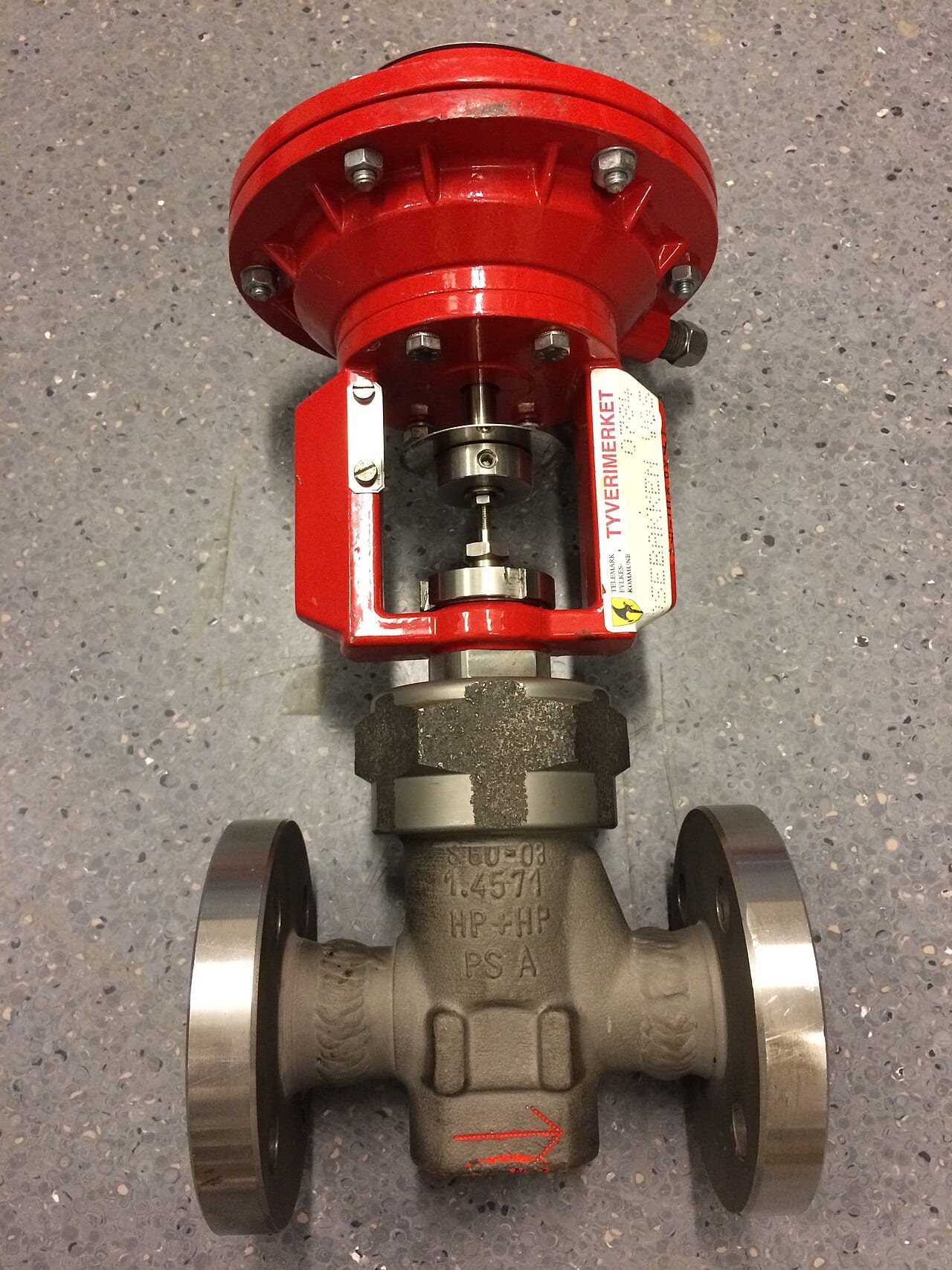
Test and repair assigned equipment under the approved work plan, keeping results with the device record. This can include transmitters, control valves, analyzers and monitoring systems. Work with operations and the control systems engineer when a fault crosses equipment and software boundaries.
Support installation and loop checks, then leave clear records for handover. An instrument apprentice learns under a mentor. An instrument repair differs from a change to plant logic or operating limits. Those changes follow the site’s named review process.
Instrument Technician Wages and Job Outlook
Phillips 66’s November 2026 Borger, Texas offer starts at USD 50.49 per hour. It offers the opportunity to reach USD 54.58 per hour within 48 months. This is one refinery’s craft rate. It is not a national guarantee or apprentice wage.
For Canadian context, Alberta’s wider industrial-instrument group earned CAD 29.70 to 67.85 per hour in Job Bank’s 2023–2024 data. Canada projects about 2,500 openings in that group for 2026–2035, including 1,500 from retirements.
Training for Instrumentation and Control Technicians
You can enter through apprenticeship or relevant technical training. Alberta’s instrumentation programme has four periods. A trade certificate is optional for qualified work there. Employers can still ask for one. They must be satisfied that the person has journeyperson-level skills.
U.S. requirements vary with the employer and work. Borger lists technical study or related experience as preferred. It does not require a degree for every entrant. Employers teach their equipment, work permits and isolation process. Specific system training may follow hiring.
Challenges of Working as an Instrument Technician
A device may work on the bench yet fail in its installed conditions. Small errors in units, identification or records can mislead later work. Fault finding needs both practical tests and a clear account of what was checked.
Outdoor equipment, shutdowns and call-outs can change the workday. Some roles cover one plant; others travel between sites.
Perks of Working as an Instrument Technician
You see how a process is measured and help crews trust the data they use. The role mixes practical equipment work with fault tracing. Skills can transfer between process industries. Each site adds training for its own systems and hazards.