What Does an Instrument Apprentice Do in Oil and Gas?
An instrument apprentice learns to check the devices that tell a plant what is going on. A device might read pressure, heat, or flow. With a mentor, the apprentice learns to check readings, find faults, and make sure the right signal reaches the control room.
How Instrument Apprentices Learn Plant Measurement Work
Learn to check the instruments that measure plant conditions such as flow, level, pressure and temperature. Work under a qualified mentor with the drawings and approved test plan. An instrument reading may pass through several devices before it reaches an operator’s screen.
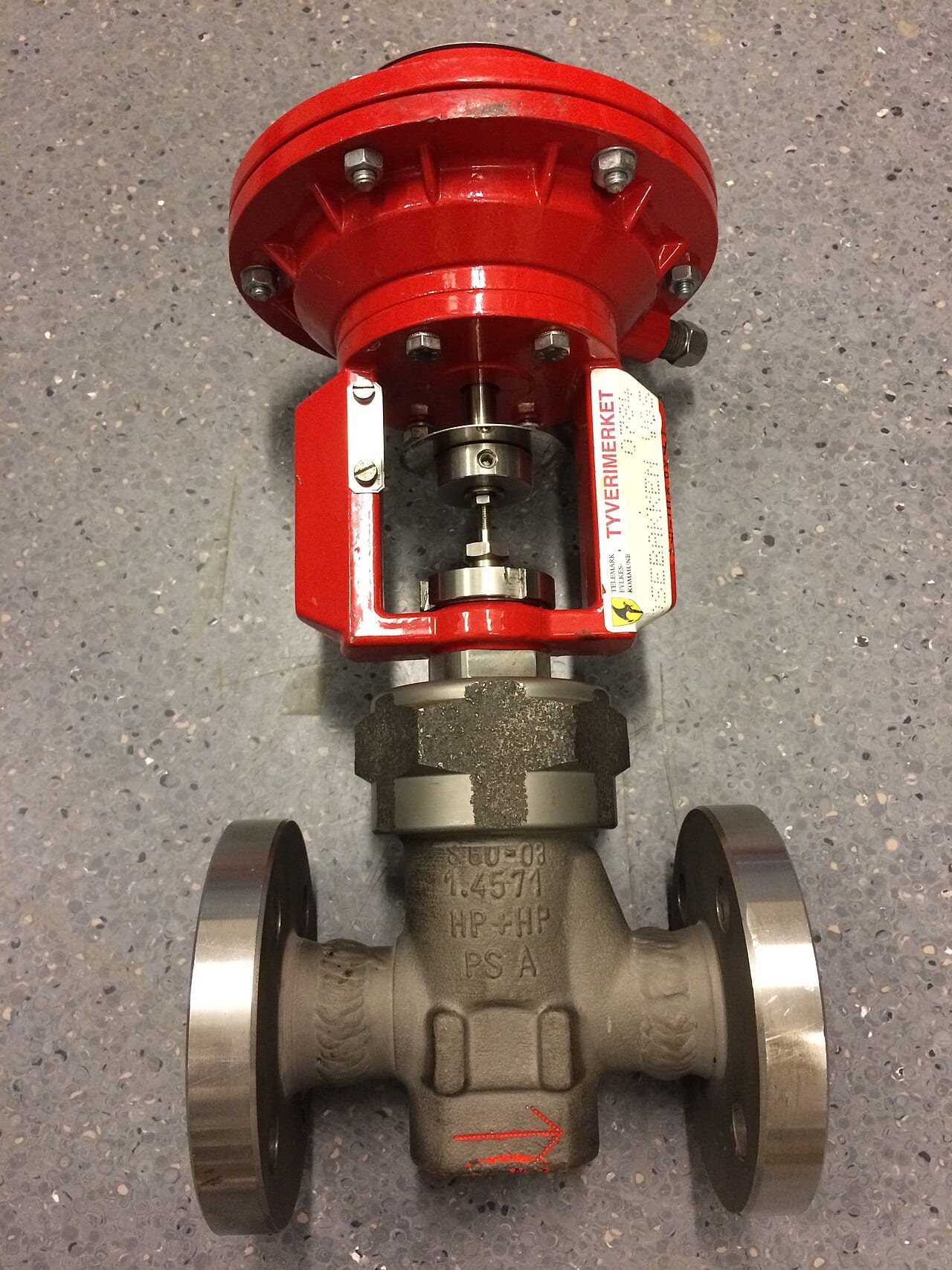
Help identify devices, inspect connections and record test results within the assigned work. A qualified instrument technician explains each part of the loop. These can include a sensor, transmitter and control valve. Learn to tell an instrument fault from a wiring, data or process issue.
Keep clear work and training records. Write what was found. A mark saying checked does not explain the result. Training on one model does not cover every device in the plant.
Instrument Apprentice Wages in Alberta and the U.S.
Alberta’s minimum apprentice percentages are 55%, 65%, 75% and 85% for periods one through four. They use the lowest-paid instrumentation journeyperson rate at the same employer.
Phillips 66 advertised USD 42.13 per hour for instrument apprentices in Ponca City, Oklahoma. The tentative start was January 2027. The posting closed November 6, 2026. Further raises follow its collective agreement. This is one refinery’s contract rate, not a national entry rate.
Canada projects about 2,500 openings in the wider industrial-instrument group for 2026–2035, including 1,500 from retirements. The forecast covers the trade, not just apprentice vacancies.
Instrumentation Apprenticeship Training in Canada and the U.S.
Alberta’s programme has four periods. Each combines work under a mentor with classes and exams. A trade certificate is optional for qualified work in Alberta. The learning route is a registered apprenticeship. Employers may still ask for a certificate when hiring qualified staff.
U.S. employer programmes set their own entry and development requirements. The Ponca City example required high school or equivalent and listed further study or experience as preferred. Site training may follow hiring. Plant control changes still need site approval. Apprentices work under supervision.
Challenges of Learning Instrument Work at Oil and Gas Sites
An instrument can look sound while giving the wrong value. Small errors in identification or records can make the next check harder. The apprentice needs time to ask questions and understand what each result means.
Work may involve outdoor equipment, restricted spaces and shutdown shifts. The training programme also includes classroom time.
Perks of Starting as an Oil and Gas Instrument Apprentice
You learn both practical equipment work and how a process is measured. The trade can suit someone who enjoys tracing a fault through a system. As skills grow, you can learn more complex tests. The programme sets the scope and review needed for each stage.