What Does a Crane Operator Do at an Oilfield Site?
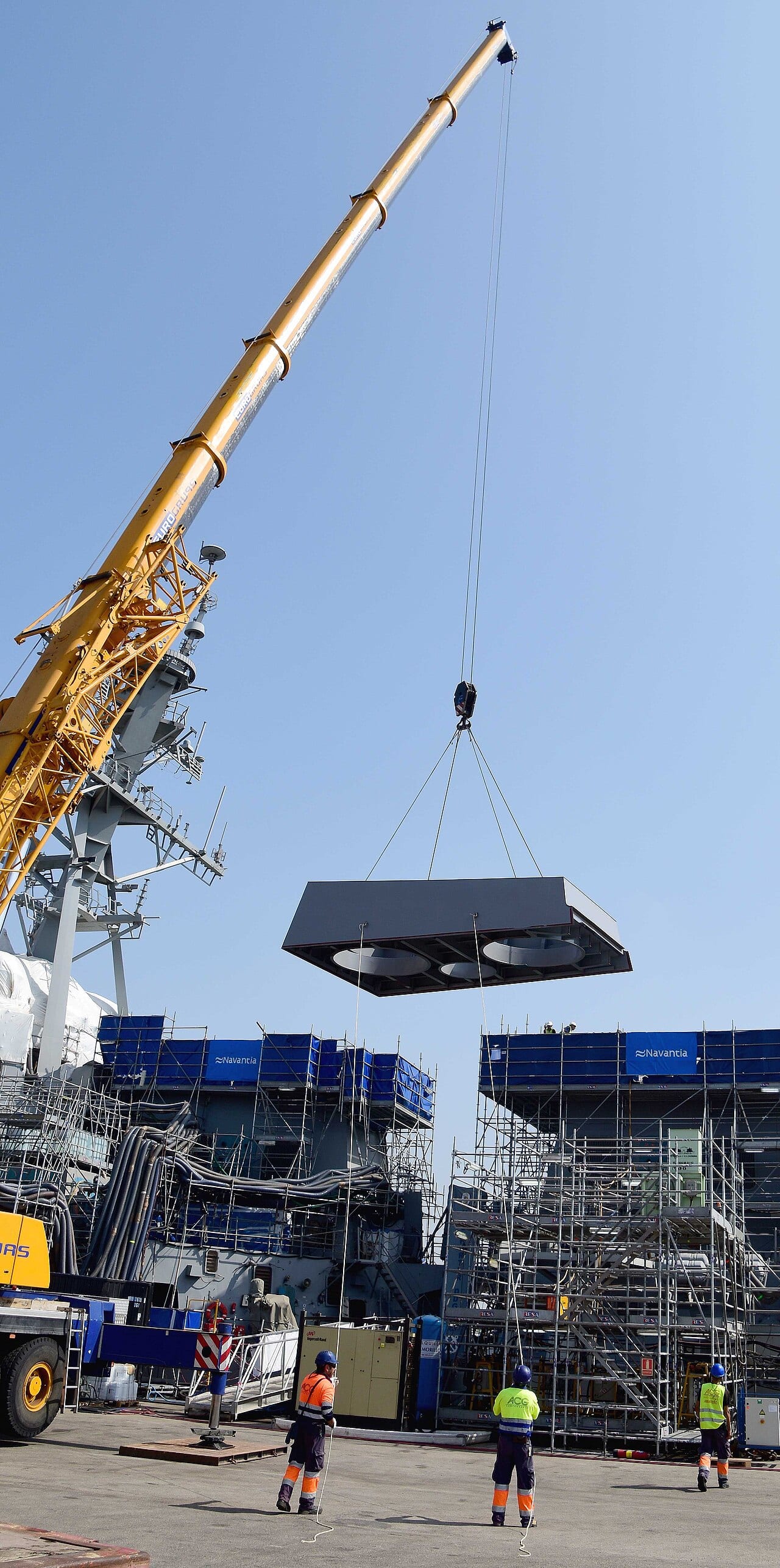
An oilfield crane operator moves heavy loads such as pumps, pipe and sections of equipment. They check the lift plan, work with a signal person and run the crane from the cab or controls. The job can be on a wellsite, at a plant or in a yard that builds equipment.
How Crane Operators Work with Riggers and Trade Crews
A crane operator reviews the planned load, crane setup and assigned work with the lifting team. The operator needs a clear view of the job through direct sight and agreed signals. A rigger and signal person have separate roles in preparing and communicating the lift.
The shift includes the crane checks and records the site requires. Report a fault or changed conditions to the lifting team for review. Follow the approved plan. Two similar loads can still need different plans.
Oilfield lifts can move pipe, pumps or equipment modules in yards, plants and wellsites. Mobile, boom-truck and tower cranes have different training routes and limits. An offshore crane operator faces a different setting, including vessel conditions.
Oilfield Crane Operator Wages and Job Outlook
Alberta crane operators earned CAD 29.70 to 51.68 per hour in Job Bank’s 2023–2024 data. U.S. crane and tower operators earned USD 20.50 to 49.79 per hour for the middle 80% in May 2025. These include other industries and crane types.
Canada projects 6,000 openings in the group in 2026–2035, including 3,200 from retirements and 1,900 from growth. Remote lodging and meals may be supplied or covered by allowances, depending on distance from home and the contract.
Mobile Crane Training for Oilfield Lifts
Alberta has separate compulsory trade routes for covered crane types. For restricted tasks, you need a recognised certificate or status as a registered apprentice in the right route. A general lifting course does not replace that status.
OSHA’s rule covers certain U.S. construction cranes. For those jobs, the employer must meet training, certification or licence, and evaluation requirements. A certificate alone is not enough. The employer must also assess the worker for the assigned crane and work. Other settings and excluded equipment have different rules. Site instruction and supervised training also form part of the route.
Challenges of Working as a Crane Operator in the Oilfield
Wind, visibility, site traffic and limited space can change the day’s plan. Time may be spent waiting for a work area or load rather than moving the crane. Long site days plus travel can be tiring. Remote jobs and rotating projects also affect time with friends or family.
Perks of Working as an Oilfield Crane Operator
The work combines machine control with close teamwork and a visible result. You can develop experience on particular crane types and project settings. Some fleets offer local yard work; others travel between sites.