What Does a Rigger Do on an Oil and Gas Lift Crew?
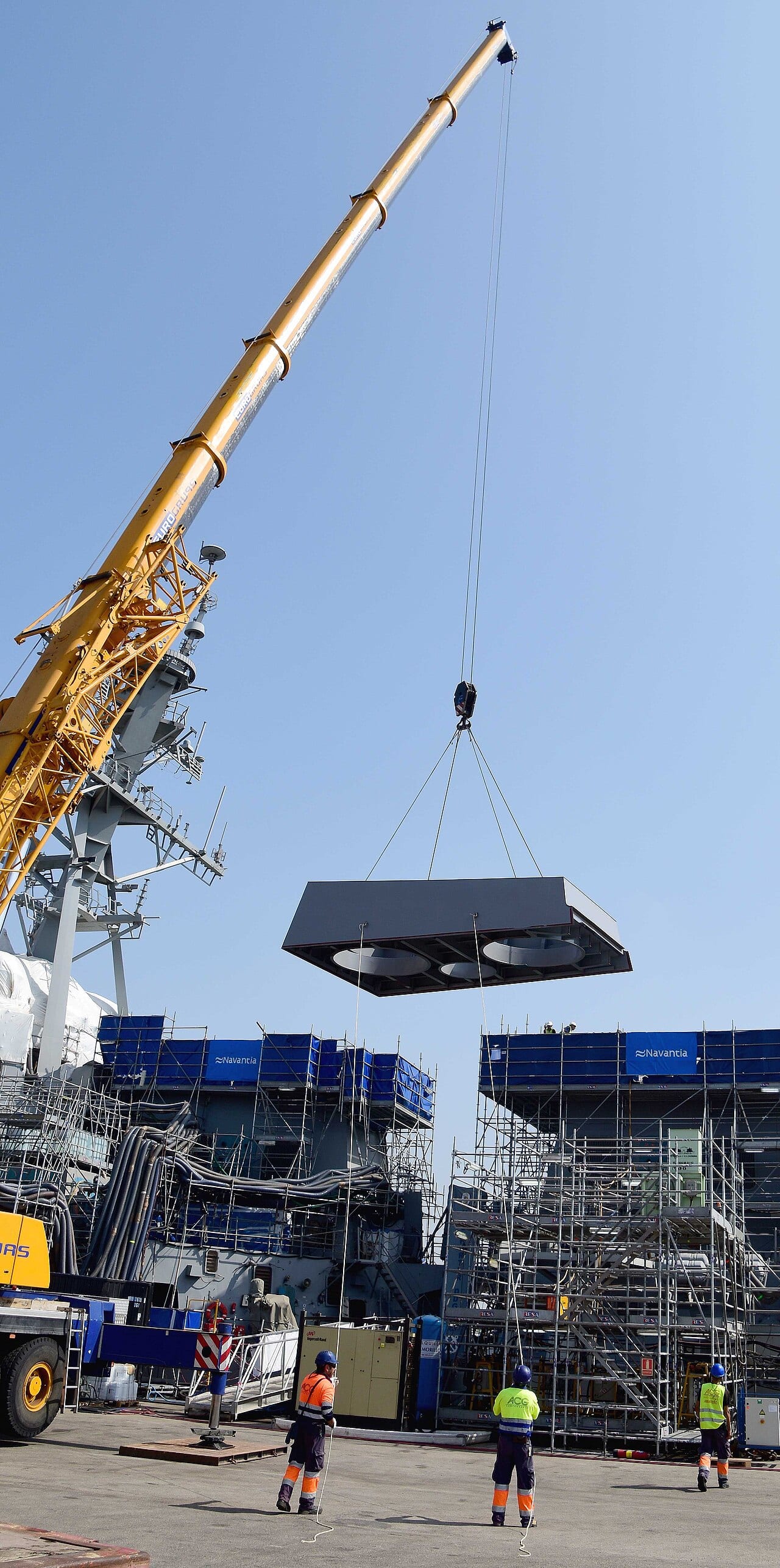
An oil and gas rigger helps move heavy loads with a crane or hoist. They check the lift plan, look over the slings and other gear, and help attach the load. They stay in touch with the operator and other workers as the load moves to the place it needs to go.
Lifting and Equipment Duties for Oil and Gas Riggers
A rigger prepares and handles the gear used to lift or move heavy equipment. On a crane crew, you work from the lift plan and check that the load and work area match it. Slings, lifting beams and attachments must suit the approved job. Raise changes with the lift lead rather than improvising a new arrangement.
You help connect and move the load within the crew’s assigned roles. A crane operator needs clear communication from the ground or deck. Signalling can be a separate duty with its own competence check. Some jobs also involve jacking, sliding or transport support, so a rigger title does not always mean crane-only work.
Keep gear organized, check its condition under the site process and record defects. A crane mechanic handles crane faults, while a scaffolder may provide access. Yard preparation and loading can be a large part of junior work. Experienced lift duties require the relevant training and assessment.
Oil and Gas Rigger Wages, Travel and Allowances
In May 2025, the middle 80% of U.S. riggers earned USD 19.56 to 47.04 per hour. That group spans industries and is not an offshore or oilfield pay schedule. Canadian offers should state the CAD classification and level, including any applicable collective agreement.
Rigging and Signalling Training for Oil and Gas Sites
Workers may start with supervised yard or labourer duties and progress through the employer’s competence checks. Learn the work scope before buying courses. The job may require rigging, signalling or equipment-specific training; one certificate does not automatically cover all those duties.
For Atlantic Canadian offshore work, the regional training code sets additional role and safety requirements. Land jobs can follow different rules and client standards. A driving role may need a commercial licence as well.
Challenges of Working as a Rigger on Oil and Gas Projects
Heavy gear, tight spaces and nearby work can make the job physically demanding. A changed load or weather condition may stop the lift. The crew needs clear communication where engines and other activity make it hard to hear.
Shutdowns and heavy moves can create changing schedules and travel at short notice. A yard support job and an offshore lift crew can carry very different duties under the same title.
Perks of Working as an Oil and Gas Rigger
You learn how different trades and equipment come together to move a load. The role offers practical team work and a visible result when the move is complete. Experience can support more advanced rigging or lift-support work, with the required assessments. It does not automatically qualify someone to operate a crane or design a lift.