What Does a Deck Cadet Do on an Offshore Vessel?
An offshore deck cadet trains to become a deck officer. The cadet learns on the bridge and on deck while a ship's officer checks the work. Time at sea can count toward a first deck officer certificate. The school and ship need to sign off on the right tasks and sea time.
Deck Cadet Duties on the Bridge and Deck
Join bridge watches and deck work under the responsible officer. A watch can include lookout practice, position records and learning the navigation equipment. Deck work helps the cadet understand how vessel operations fit together. The officer remains responsible for the assigned watch.
Complete training tasks and keep the record book current with the officer’s review. Sea-service evidence and skill records serve different purposes. Check that the vessel and duties fit the school’s approved route before relying on the trip toward a certificate.
The chief officer or another deck officer supports training. The master leads the vessel. Seeing a dynamic-positioning system at work does not itself qualify a cadet to operate it. Engine-room cadets follow a different route.
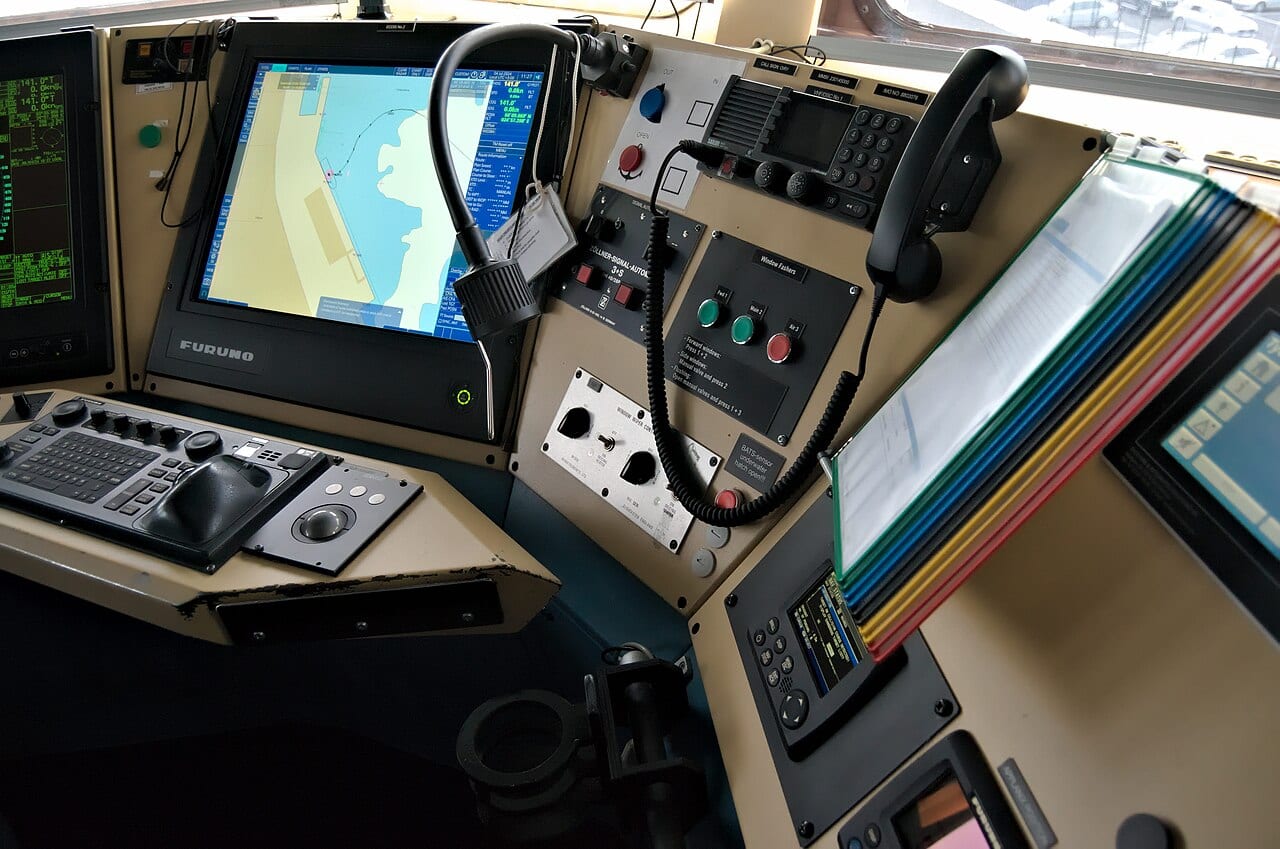
Deck Cadet Training in Canada and the U.S.
A recognized nautical cadet program combines study and sea training. Transport Canada lists approved Canadian training routes. U.S. academy routes have their own sea-service and course requirements. The school should confirm how the placement counts toward the intended credential.
Before sailing, check medical, safety and identity documents with the school and vessel operator. A berth should provide a suitable learning role as well as days at sea.
Challenges of Deck Cadet Training at Sea
Night watches, ship motion and shared accommodation can be difficult on a first trip. Study and records need time after practical work. Relief dates may move with weather or the vessel’s schedule, extending time away from friends and family.
Perks of Starting as an Offshore Deck Cadet
You see a deck officer’s work across port, passage and offshore activity. The placement lets you practise classroom skills with an officer’s support. It helps you assess whether life at sea suits you while building the required training evidence.