What Does a Deepwater Drilling Engineer Do?
A deepwater drilling engineer helps plan offshore wells in water deep enough to need a floating rig or other special gear. They check how the rig, well and equipment on the seafloor will work together. They review field data and help the team adjust plans when conditions change.
How Deepwater Drilling Engineers Plan Offshore Wells
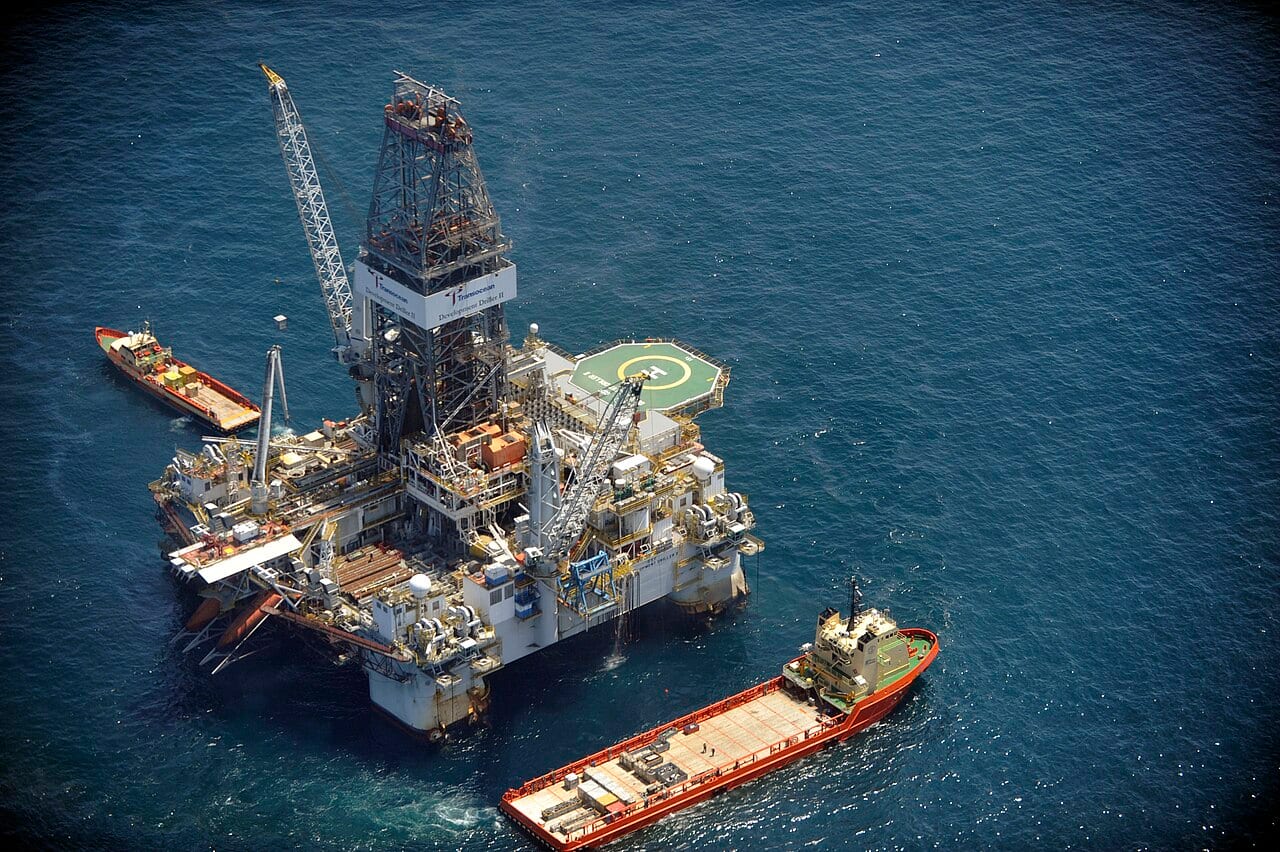
Plan the drilling work for a well reached from a floating rig in deep water. The well design must fit the subsea equipment, marine riser and rig. A marine riser connects the rig with the well system below. Water depth affects equipment and supply needs. It differs from the depth drilled below the seabed.
Work with subsea, marine and drilling specialists on the programme and reviews. The subsea engineer supports the equipment scope, while rig and marine staff retain their operating duties. Check how the well plan fits equipment capability and the time needed for offshore services.
During drilling, check data and find out why results differ from the plan. Keep changes and approvals traceable across shore and rig teams. End-of-well reviews should explain performance and unresolved issues, not just record the final depth. A deepwater engineering role may be shore-based with offshore visits rather than a permanent rig rotation.
Deepwater Drilling Engineer Pay and Job Outlook
For Newfoundland and Labrador, Job Bank lists CAD 38.46 to 72.12 per hour. Its 2023–2024 data covers petroleum engineers as a group. It is a wider engineering comparison, not a deepwater wage schedule. U.S. petroleum engineers earned USD 39.16 to 121.73 per hour in May 2025. That range covers the middle 80% nationally, not an offshore premium.
Canada projects about 2,100 openings for petroleum engineers in 2026–2035. About 1,300 could come from retirements. This covers all petroleum-engineering specialties.
Deepwater Drilling Engineer Training and Career Path
Engineering study followed by drilling experience is a common route. Learn subsea and floating-rig interfaces as well as well design. SLB sought prior offshore and well-engineering work for its senior Newfoundland post. That was an experienced role.
Offshore travel needs the medical and survival training accepted in the operating region. Well-control training must fit the role and equipment scope. Employers teach their design tools and review process. They also provide an induction to the unit. A surface-only course does not automatically cover a subsea assignment.
Challenges of Working as a Deepwater Drilling Engineer
Weather can delay flights, boats and equipment. A missing part offshore may take much longer to replace than a local delivery. Planning needs input from marine and supply teams, not just a drilling schedule.
Shore support may continue while the rig works through the night. Offshore visits bring time away from family and changes to travel plans.
Perks of Working as a Deepwater Drilling Engineer
You can work with a wide technical team on wells that need close coordination between shore and rig. The role combines design with evidence from the rig. It can build a focused career. Each unit and region still needs its own training and review.