What Does a Distillation Operator Do at a Refinery?
A distillation operator helps split crude oil into streams at a refinery. The unit uses heat because each stream boils at a different range. The operator checks the heaters and towers. They keep track of where each stream goes and tell the crew if the feed or a reading changes.
How Distillation Operators Check Crude Towers and Product Streams
The crude unit uses different boiling ranges to separate crude oil. It does not turn all of the crude straight into finished fuel. Streams leave the tower at different points and go to other units for treatment or further processing. Some heavy material goes to a vacuum tower, where lower pressure helps separate it at a lower boiling temperature.
The operator checks heaters, pumps and tower readings. The unit also cools and returns part of the overhead liquid to help separation. That returned liquid is called reflux. The field and control room crew compare process readings with samples from the different streams.
A change to the crude blend can alter the amount and quality of each stream. The crew watches how the tower responds and reports what changed. An FCC operator may receive one of those streams, so the upstream and downstream crews need to agree on what each unit can take.
A shift handover records the feed being run, pending samples and equipment still out of service. A process engineer can help review persistent changes to separation. The operator works within the refinery's current plan and limits.
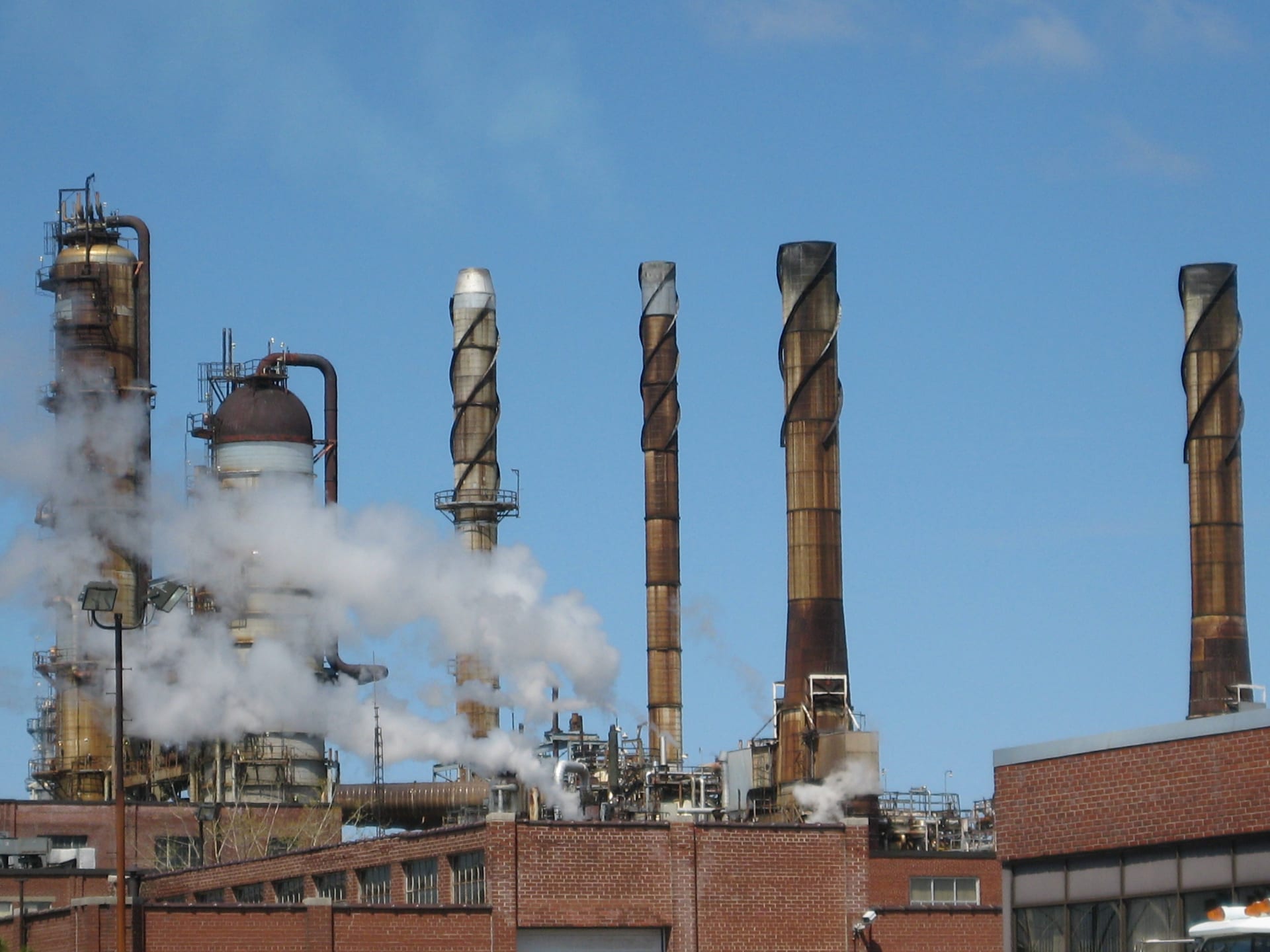
Distillation Operator Wages and Job Outlook
Job Bank lists CAD 32.00 to 72.12 per hour in Alberta for oil, gas and chemical process operators in 2023–2024. In May 2025, the middle 80% of U.S. refinery operators, petroleum pump operators and gaugers earned USD 27.46 to 55.71 per hour. These figures cover wider job groups.
Canada projects about 4,100 openings in its group from 2026 to 2035. About 3,200 could come from retirements.
Distillation Operator Training for Refinery Work
A process operator may learn the crude unit through rounds with an experienced worker. Training covers the plant drawing, sample points and the heaters and towers in that area.
Control room training calls for a wider view of how a change affects the unit. A Canadian vacancy may also include steam or power duties with a specified power engineer class. A refinery operator title by itself does not settle it.
Challenges of Refinery Work for Distillation Operators
A new crude blend can change several streams at once. A sample taken before the feed changed may arrive after the new crude is in the tower. Keeping times and feed records straight helps the crew interpret the result. Operators may also climb stairs and make outdoor rounds during nights or poor weather.
Perks of Refinery Work for Distillation Operators
The crude unit gives you a view of how the refinery's other units are supplied. Experience there can support training on a second area or the control board. The role can suit someone who likes seeing how feed quality and process conditions show up in several products.