What Does an FCC Operator Do at a Refinery?
An FCC operator runs a unit that turns heavy oil into lighter streams at a refinery. FCC stands for fluid catalytic cracking. The unit uses heat and a fine solid called a catalyst. On shift, the operator checks the unit and works with other crews to keep the streams moving.
How FCC Operators Check Cracking and Catalyst Flow
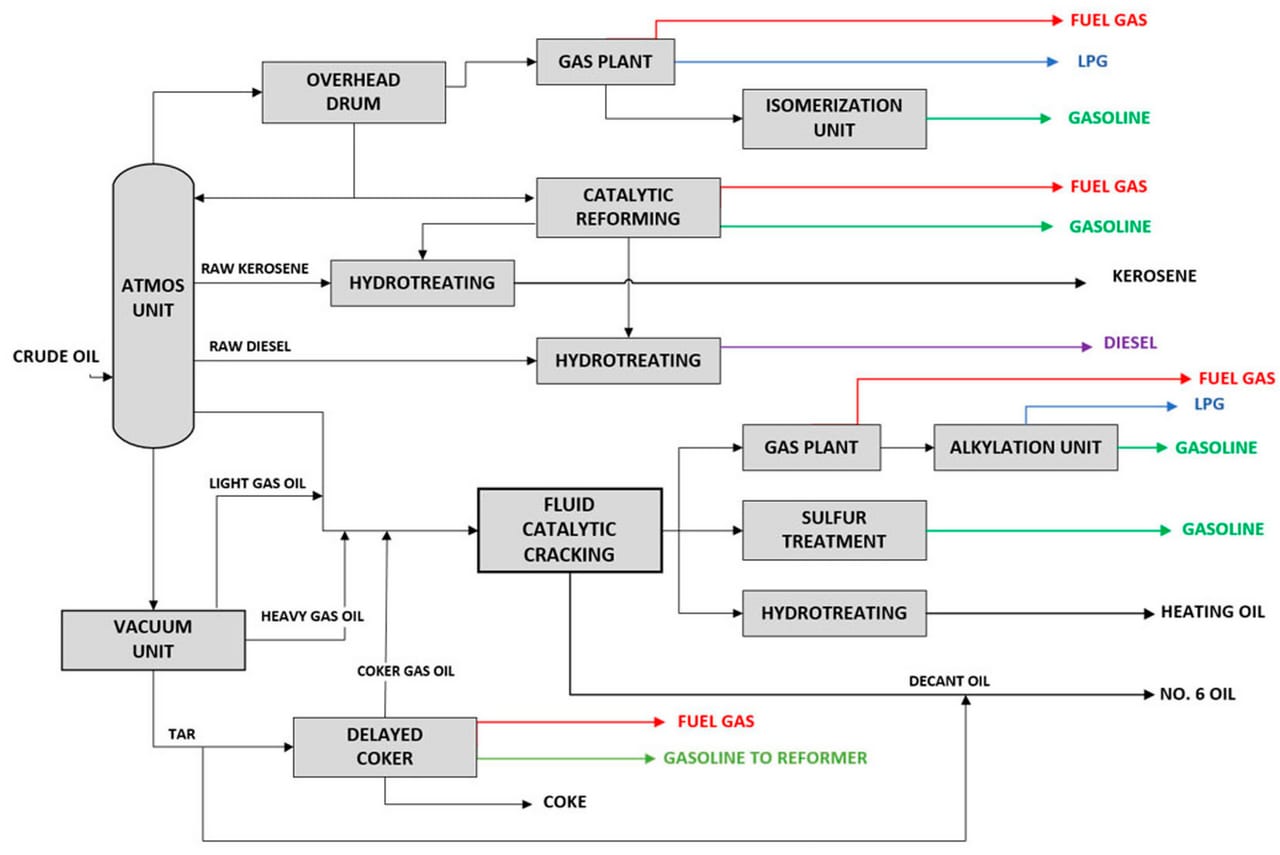
Fluid catalytic cracking uses a fine solid catalyst to help break heavy oil into lighter products. Oil and steam meet hot catalyst in a pipe called the riser. The process then separates the product vapour from the catalyst. Used catalyst goes to a regenerator, where deposits are burned off before it returns to the process.
The flow of catalyst carries heat back to the reaction. Operators use readings to track that flow and the heat it carries. The equipment and limits differ by design, so the job needs more than learning a single tower.
Field operators check local gear. The control room operator follows trends across the unit. A distillation operator may supply feed. Changes to that feed can affect the FCC's products and the load on later refinery units.
At handover, the crew passes on when a feed or equipment change began and which checks remain open. A process engineer can help review longer trends or a proposed operating change. Operators keep the unit within the approved plan while that review is underway.
FCC Operator Wages and Job Outlook
Job Bank lists CAD 32.00 to 72.12 per hour in Alberta for oil, gas and chemical process operators in 2023–2024. In May 2025, the middle 80% of U.S. refinery operators, petroleum pump operators and gaugers earned USD 27.46 to 55.71 per hour. These figures cover wider job groups.
Canada projects about 4,100 openings in its group from 2026 to 2035. About 3,200 could come from retirements.
FCC Operator Training for Refinery Work
An entry operator may start on field rounds and samples under an experienced crew member. Training needs to cover how the reaction and regenerator sections affect each other. It also covers plant drawings, work permits and the alarms assigned to the post.
A qualified field operator may train for a second area before learning the full control room role. The site checks your skills before it clears you to run an area. A job title alone does not show that approval.
Challenges of Refinery Work for FCC Operators
A change in one section can affect heat, catalyst movement and product flow elsewhere. The crew needs to preserve the order in which those changes happened. During a shutdown, many equipment jobs can remain open at once. The next shift needs to know which systems are ready and which still need checks.
Perks of Refinery Work for FCC Operators
The unit gives you a close view of how reaction, heat and separation work together. Learning the FCC can support another process assignment or board training. The work can suit someone who likes comparing several related readings to understand a change.