What Does an Electric Line Engineer Do at a Well?
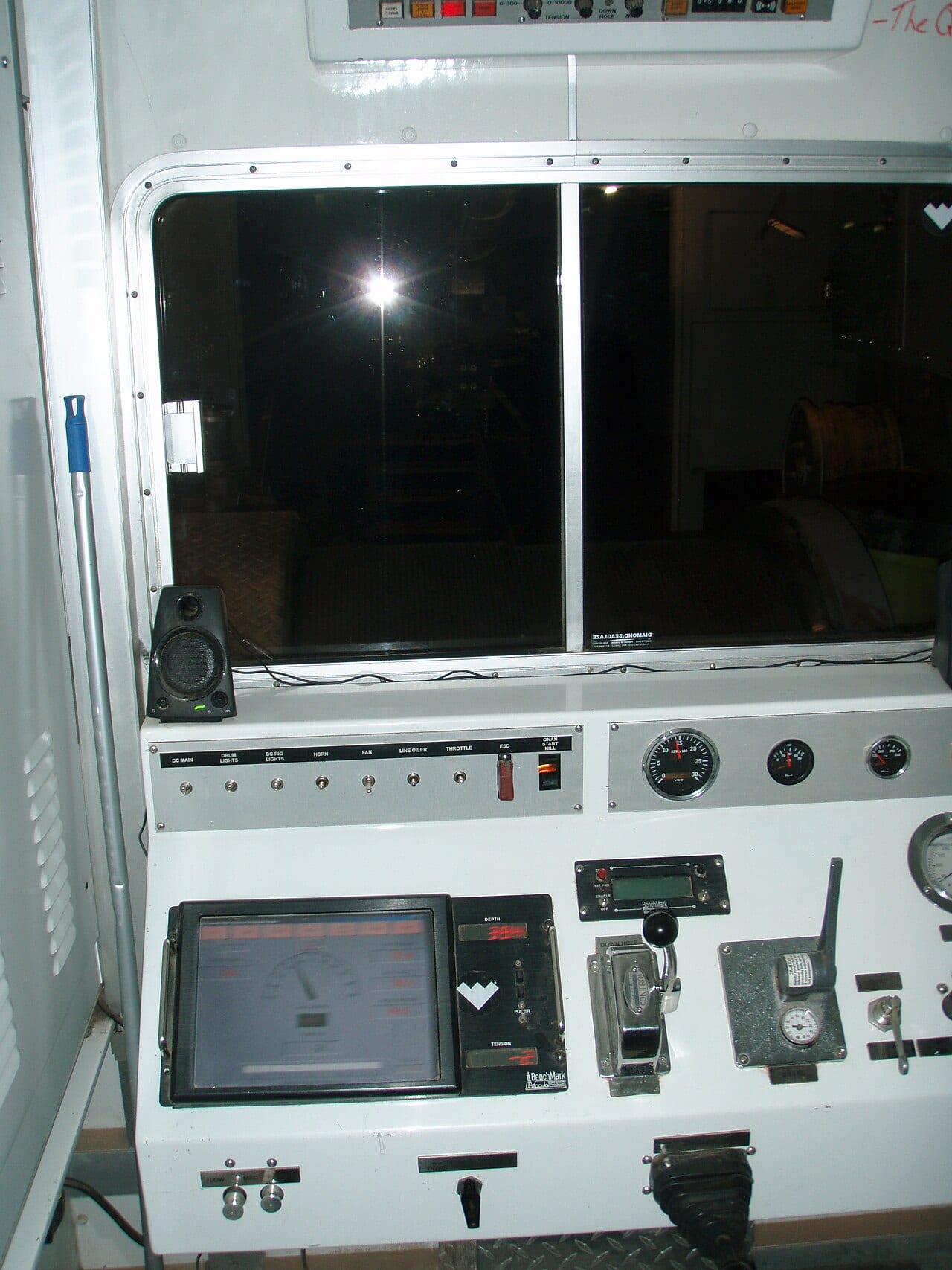
An electric line engineer helps a wireline crew run tools into a well on a cable that carries signals. They check the tool and job plan, watch readings and prepare a record for the customer. The work can include taking logs, setting a plug or opening parts of a cased well.
How Electric Line Engineers Check Well Tools and Logging Data
Prepare the technical side of a wireline job using a cable that carries tool signals. Check the well objective, tool selection and depth reference with the team. A logging job needs reliable readings and enough context to match them to the right interval.
Check tool readiness and data quality within the assigned service. Work with the wireline operator on unit and field records. The technical lead may review readings during the job and explain gaps. A clear record shows both the result and any limits on using it.
Prepare the customer report and capture lessons from the job. Some posts include setting tools or perforating, with extra competence needed. A production logging engineer may focus on flow inside a producing well. Check the actual duties: field-service titles do not all mean the same design or interpretation role.
Electric Line Engineer Wages and Job Outlook
Job Bank's 2023–2024 data for Alberta put oil and gas well drillers, servicers, testers and related workers at CAD 25.00 to 70.00 per hour. In May 2025, the middle 80% of U.S. oil and gas service unit operators earned USD 18.72 to 46.90 per hour. The figures cover wider job groups.
Canada projects about 9,600 openings for the Canadian group from 2026 to 2035. About 5,100 could come from retirements.
The U.S. figures cover service unit operators and can help compare field service work.
Education and Field Training for Electric Line Engineers
Technical or engineering study can provide a route. The employer then trains new staff for field work. Learn the tool physics, data checks and well records alongside practical service work. Senior technical posts need more than an entry course.
Well-control and site training must fit the service. Explosives or radioactive-source duties need separate authorization and training where involved. Check professional requirements for any regulated engineering work in the region. A degree alone does not cover all tools or field duties.
Challenges of Working as an Electric Line Engineer
A tool may return data that are difficult to compare because the depth reference or operating conditions changed. The report needs to explain those limits. Good technical support includes asking for another check when the evidence is unclear.
Field work can mean long calls, travel and shop duties between jobs. Remote support may continue outside office hours.
Perks of Working as an Electric Line Engineer
You can connect measurements with real well questions and see a job through from preparation to report. The role mixes tools, data and customer contact. As skills grow, further training can lead to more specialist services.