What Does a Wireline Operator Do at a Well?
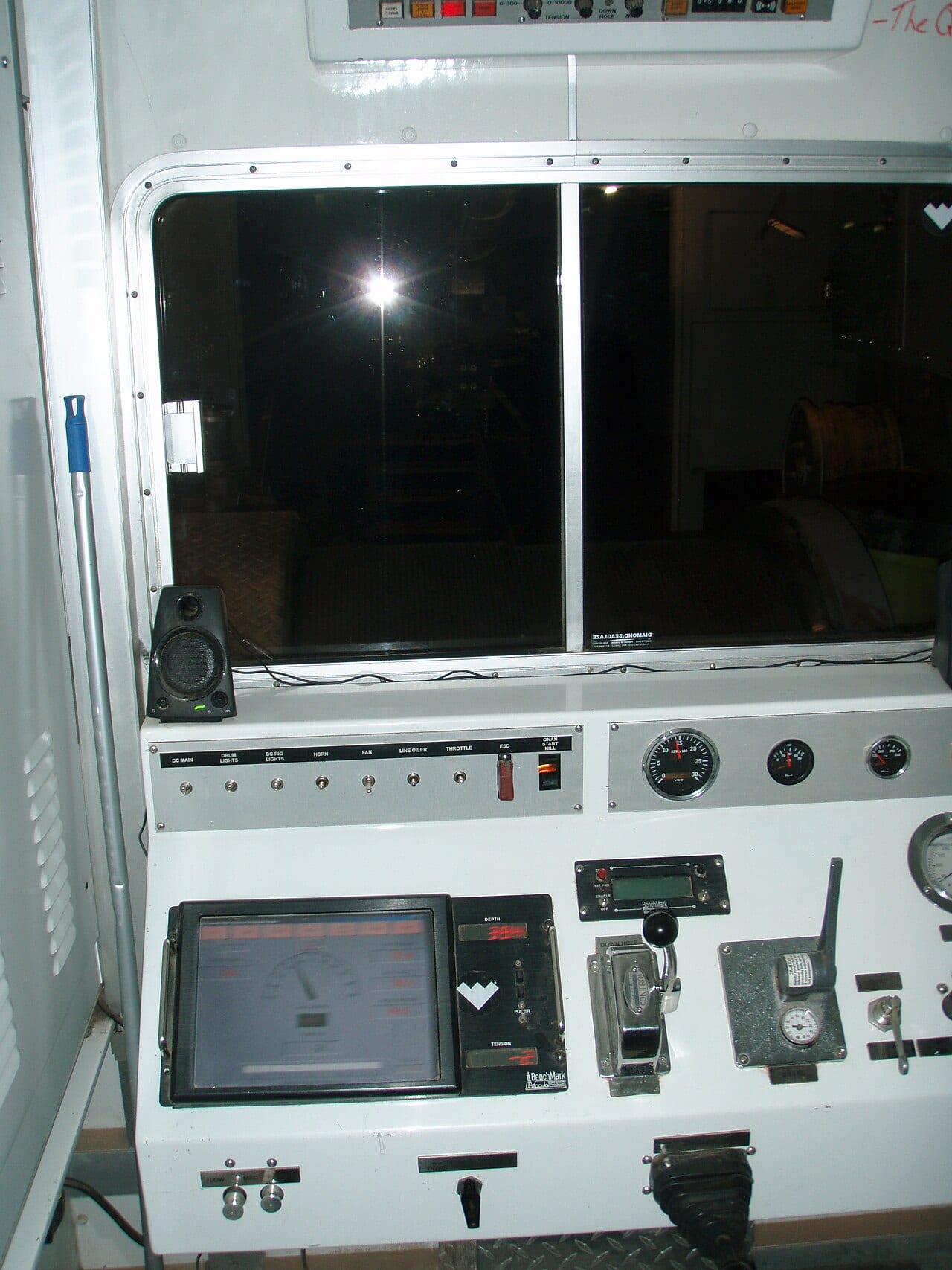
A wireline operator uses a cable to lower tools into an oil or gas well. The crew may take readings, set a plug or help open a path for the well to flow. The operator runs the unit, tracks how deep the tool is and records what happened.
How Wireline Operators Run Downhole Tools and Record Depth
Prepare and run the assigned wireline unit and tools under the job plan. Wireline is a family of cable-based well services. Electric line carries signals for some tools; slickline is commonly used for mechanical work.
Keep tool identity, depth and job records clear. Work with the electric line engineer or service lead where technical support is needed. Equipment preparation, checks and maintenance matter as much as the time spent at the well. A wrong record can make good data hard to use later.
Operate the unit only for tasks you are trained and assigned to do. Logging, setting tools and perforating can involve different qualifications and equipment. A slickline operator has a related but distinct scope. The wireline title alone does not cover every tool or hazardous material.
Wireline Operator Wages and Job Outlook
Halliburton’s September 2026 Fort Lupton, Colorado offer lists USD 18.00 per hour for Operator Assistant II in wireline logging and perforating. It is an assistant-level example with prior related experience, not a fully qualified operator scale. The offer also lists USD 45 per day per diem under its terms.
Relocation hotel support differs from an allowance for every remote job.
Wireline Operator Training for Wellsite Work
Employers set the entry route for the service and level. Some provide equipment training after hiring; experienced roles need proof of prior work. Learn tool records, depth references and the unit through supervised practice.
Well-control, driving and site courses depend on the assignment. Explosives and radioactive sources need their own training and legal authority. A general wireline course does not cover every service.
Challenges of Working as a Wireline Operator at Remote Wells
A wellsite job can change with rig progress, access or weather. Equipment must also be maintained between calls. Land crews may spend much of a day driving, while offshore assignments add travel and crew-change limits.
On-call work can interrupt plans with friends or family. A quoted rotation should explain what happens during shop work and delays between wells.
Perks of Working as a Wireline Operator
You can build practical knowledge of downhole tools and see how their results support a well team. The work offers several service paths, each with further training. It can suit someone who enjoys equipment, clear records and close teamwork.