What Does a Slickline Operator Do at a Well?
A slickline operator lowers and pulls tools in an oil or gas well on a thin metal line. The crew may use the line to move a valve, pull a plug or bring a gauge back to the surface. The operator watches how deep the tool is and how the line moves.
How Slickline Operators Place and Retrieve Well Tools
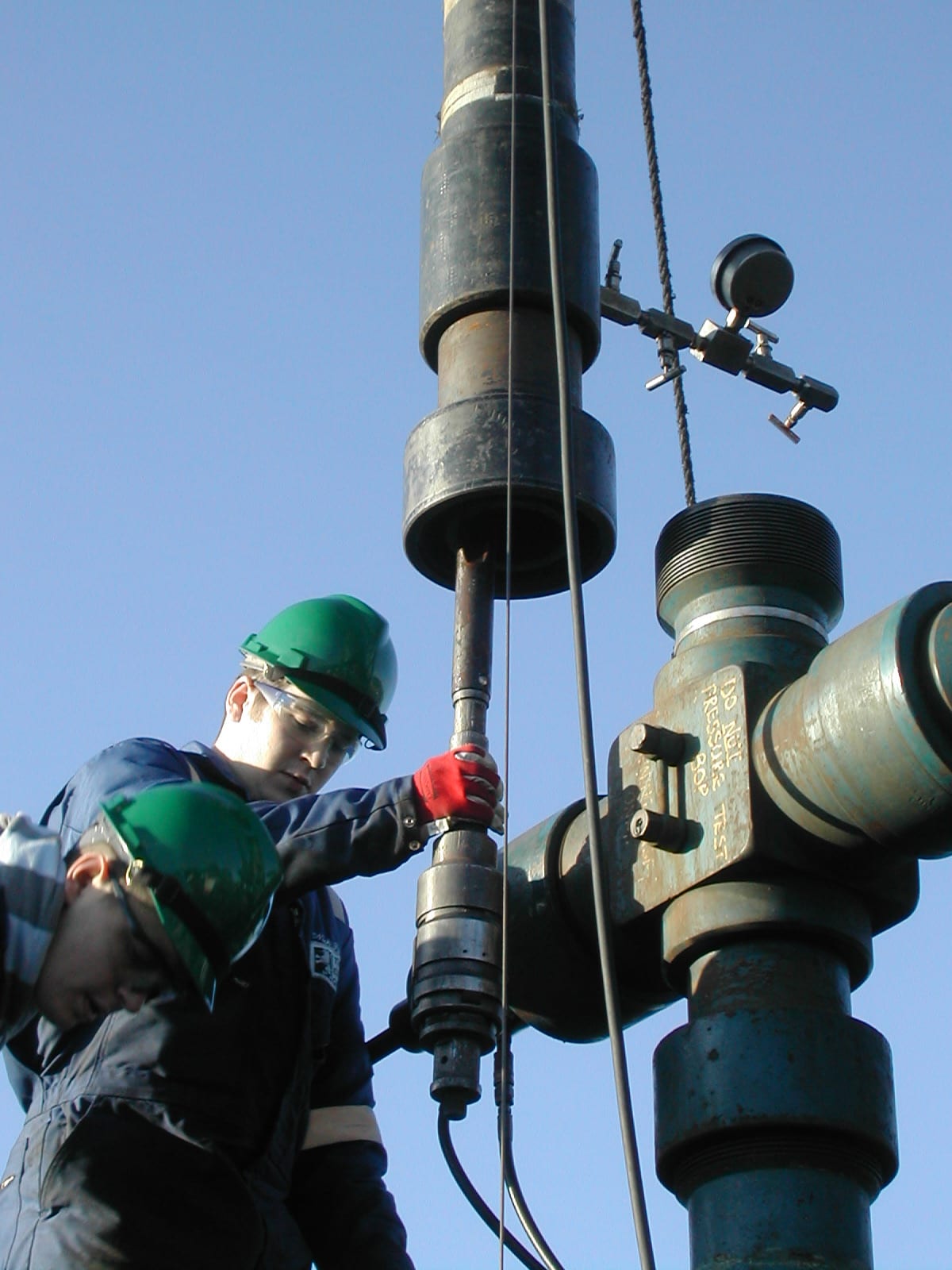
Use the slickline unit to place or retrieve mechanical tools under an approved well programme. Typical work can involve plugs, gauges and valves. The thin, single-strand slickline is different from an electric cable carrying live tool signals to surface.
Track depth, line movement and the job record while working with the service lead. Keep the toolstring and well details consistent with the plan. A well intervention engineer may support the wider job. The operator needs to recognize when the evidence differs from what the team expected.
Prepare and maintain assigned surface and downhole equipment. Record what was installed, retrieved or left for follow-up. An electric line engineer covers a different service scope. Neither title alone qualifies a person for every wireline tool or well condition.
Slickline Operator Wages and Job Outlook
Job Bank lists CAD 25.00 to 70.00 per hour in Alberta for 2023–2024. The group includes drillers, well servicers and other workers. In May 2025, the middle 80% of U.S. oil and gas service unit operators earned USD 18.72 to 46.90 per hour.
Canada projects about 9,600 openings across the wider group from 2026 to 2035. About 5,100 could come from retirements.
Slickline Operator Training and Field Experience
Employers may develop operators from trainee work or seek prior slickline experience. Learn the unit, tool records and well-pressure context through supervised practice. A skilled operator on one system still needs preparation for another.
Well-intervention pressure-control training can include wireline scope at the level needed for the duties. Driving and offshore courses depend on the assignment. The employer should explain what training follows hiring. A general course alone does not replace practical assessment on the equipment.
Challenges of Working as a Slickline Operator
Tool and depth records may come from several earlier well jobs. A missing change can complicate the next run. Clear handovers help the crew know what is confirmed and what still needs checking.
Calls can mean remote roads, long shifts and time away from home. Offshore work adds travel and weather delays.
Perks of Working as a Slickline Operator
You can develop a focused skill in mechanical well intervention and learn from a small service crew. The work has a clear link between the well record, the tool and the job result. Further experience can lead to broader duties within the employer’s assessed competence route.