What Does an Oil and Gas Electrician Do at a Plant or Wellsite?
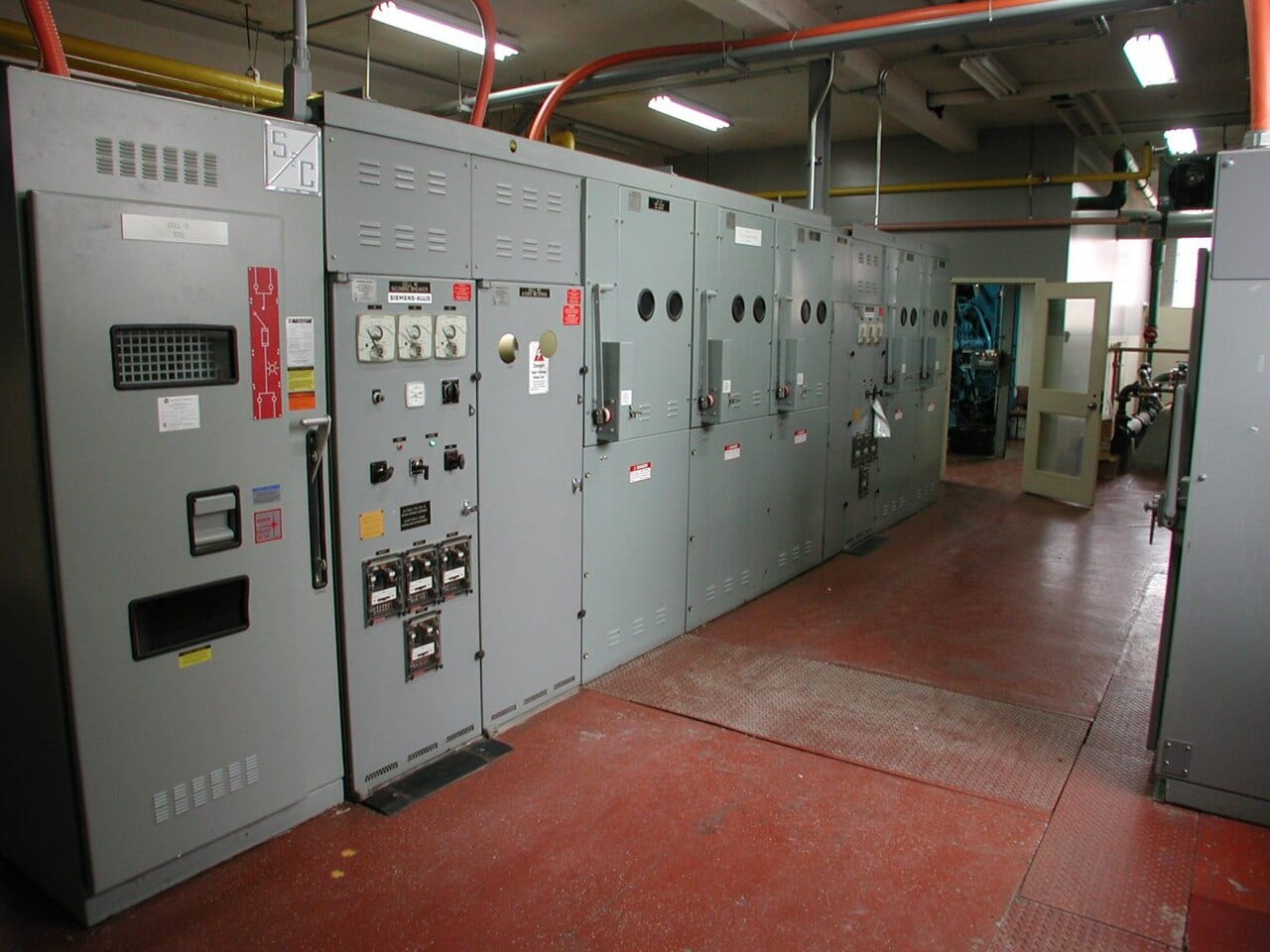
An oil and gas electrician installs, tests and repairs the power systems that run a site. The work can include cables, lights, motors and switchgear. When a motor stops, the electrician traces the fault and works with the plant crew so the gear can return to service under the site’s rules.
How Electricians Maintain Oil and Gas Plant Power Equipment
Install and maintain the electrical equipment that supplies a plant or oilfield site. Work can cover motors, cables, distribution equipment and control wiring. Read drawings and equipment records to define the assigned job. An existing plant needs different work from a new project.
Find faults, repair approved equipment and record test results under the site’s work process. Work with mechanics where an electrical fault affects a driven machine. An instrument technician may work on the process instrument. The electrician handles its supply or wiring scope.
Leave current drawings and work records for the next shift. A VFD technician may provide specialist drive support. An apprentice works under the trade’s training rules. High-voltage work and switching need specific skills. The site must also authorize those duties.
Oil and Gas Electrician Pay Compared with Electrician Wage Data
Phillips 66’s November 2026 electrician offer at Borger, Texas starts at USD 50.49 per hour. It offers the opportunity to reach USD 54.58 per hour within 48 months. This is one refinery post. It is not a national wage schedule or apprentice rate.
Alberta industrial electricians earned CAD 25.00 to 68.00 per hour. Job Bank’s data covers 2023–2024. Canada projects about 15,200 openings for industrial electricians in 2026–2035. About 8,900 could come from retirements. Construction and power-system work are counted in other groups.
Trade Training for Electricians in Oil and Gas
Alberta has four training periods for electricians. The programme covers construction and industrial work. Restricted work needs an authorized person. This includes qualified certificate holders and registered apprentices working under the rules. A Red Seal is an endorsement on the trade certificate.
U.S. licensing and employer requirements depend on the work and location. Borger asks for industrial electrical knowledge. Further technical study or experience is preferred. Employers supply site procedures and training. A general credential alone does not permit every plant task.
Challenges of Working as an Oil and Gas Electrician
Faults can affect production and several other trades at once. Older drawings or changed equipment may make diagnosis harder. Keeping the repair record current helps prevent repeated work based on an old circuit layout.
The work can involve heights, awkward spaces and outdoor weather. Shutdowns and call-outs may add nights and weekends.
Perks of Working as an Oil and Gas Electrician
You can trace a fault from a drawing to equipment and see a system return to service. Skills are useful across plants and other workplaces. With experience, you may specialize or lead a crew. The new duties need further training.