What Does an Emission Monitoring Technician Do in Oil and Gas?
An emission monitoring technician checks and services gear that measures what leaves an oil and gas plant through a stack. They track whether the readings are sound and report gaps or faults. A continuous system takes readings as the plant runs. The technician helps make sure the site can use that data.
How Emission Monitoring Technicians Check Continuous Plant Data
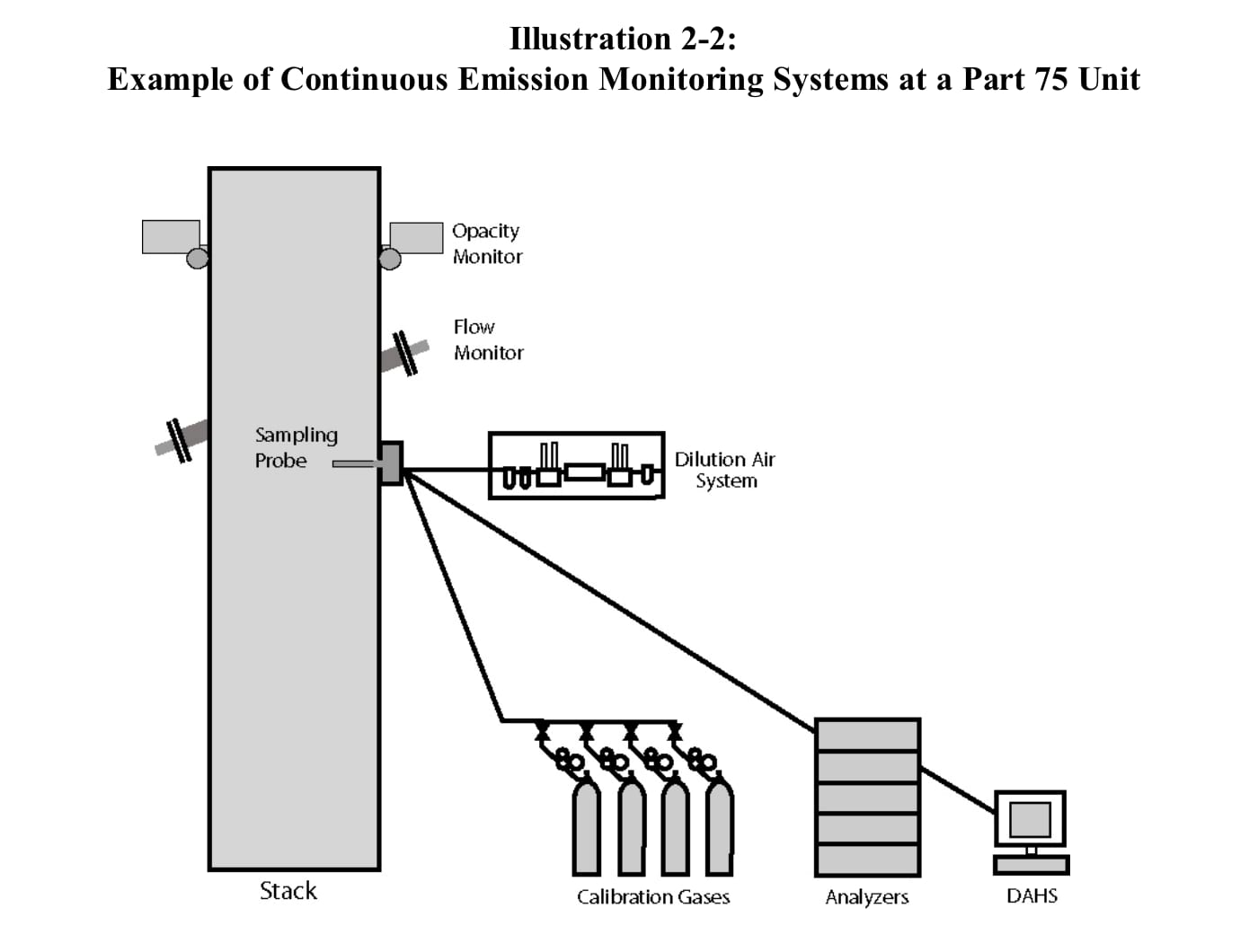
This role focuses on stack monitors at a plant. The technician checks why a reading is missing or a quality check failed. A continuous emission monitoring system, or CEMS, includes both the measuring gear and its data. An instrument technician may work on related equipment.
Tasks include equipment care, reference checks and repair logs. If data fail a check, mark the affected period for review. A restart does not prove that all past readings can be used. A stack tester carries out separate field tests. An air quality engineer helps assess the data for site reports.
Emission Monitoring Technician Wages and Job Outlook
For wider instrument work, Job Bank lists CAD 29.70 to 67.85 per hour in Alberta in 2023–2024. The group is industrial instrument technicians and mechanics. U.S. control and valve installers and repairers earned USD 22.07 to 54.09 per hour across the middle 80% in May 2025. The U.S. group excludes mechanical door work. These are broad comparisons, not CEMS-only rates.
Canada projects about 500 new jobs in its group from 2026 to 2035. About 1,500 other openings could come from retirements.
Emission Monitoring Technician Training for Oil and Gas Work
Instrument, electrical or environmental technology work can provide a route. Learn the monitor model and the site’s approved checks. A supplier may teach the analyser while the site covers access and reports. Also check who approves the data for use.
Challenges for Emission Monitoring Technicians at Oil and Gas Plants
The plant can keep running while a monitor fails. The repair team and data reviewer need to know when the fault began and ended. Missing data can create work even after the gear is fixed.
Perks of Working as an Emission Monitoring Technician
You combine hands-on instrument work with records of how a plant runs. The experience can lead to analyser service or wider instrument work. A clear fault log helps the next technician avoid repeating your checks.