What Does an Engineering Cadet Do on an Offshore Vessel?
An offshore engineering cadet trains to be a ship's engineer. Under the engine crew's lead, a cadet learns how the ship makes power, what to check on a watch, and how to help with repairs. The cadet logs time and tasks that may count toward a first marine engineer's certificate.
Engineering Cadet Duties in the Engine Room
Join engine-room rounds under the ship’s engineering team. Learn how engines, generators and pumps fit together. Record the assigned checks. Help with repairs under supervision. You may also see how the power system supports dynamic positioning on a vessel that uses it.
Keep the training record up to date. Include completed work and the officer’s review. Sea time alone does not show which skills you practised. The school checks the training record. An examiner also needs evidence of sea service.
The chief engineer leads the engine team. A cadet is learning rather than filling an independent engineer’s watch. A deck cadet follows a separate bridge and deck route.
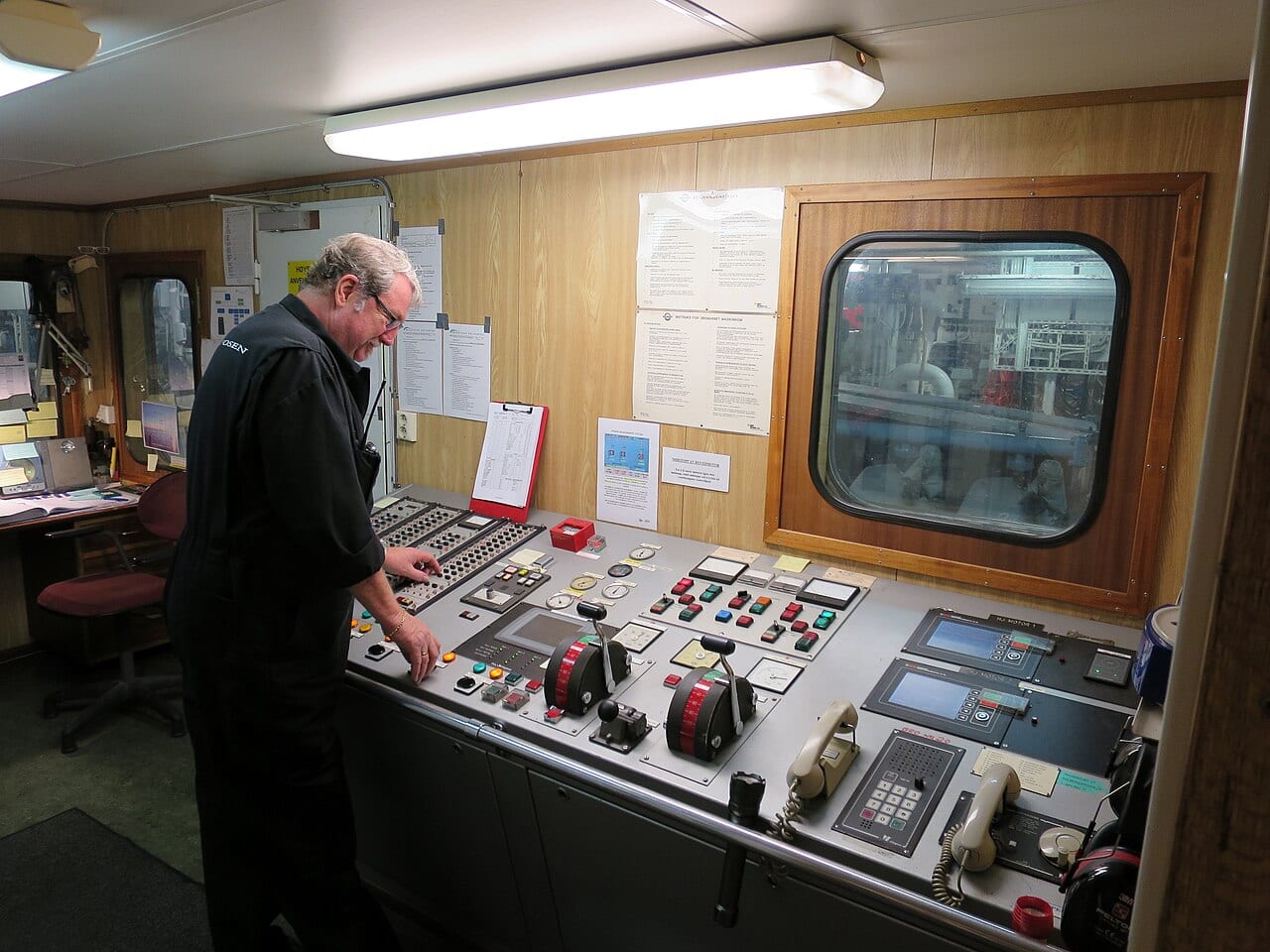
Marine Engineering Cadet Training in Canada and the U.S.
A recognized marine engineering program includes study and work at sea. Check that the vessel, duties and placement count toward the certificate you intend to earn. In Canada, approved programs and sea-service records follow Transport Canada’s requirements.
These depend on the vessel and its flag. U.S. academy and credential routes have their own requirements. Confirm the route with the school or issuing authority. Do that before paying for courses or accepting a berth.
Challenges of Engineering Cadet Work at Sea
Engine rooms can be hot and noisy. Vessel motion, watch hours and shared living spaces take adjustment on a first trip. Training records still need attention after practical work. A placement may also mean weeks away from family with limited choice over the joining or relief date.
Perks of Training as an Offshore Engineering Cadet
You learn from the crew responsible for the same machinery each day. Sea training lets you test classroom knowledge against real equipment. A suitable berth builds both skills and qualifying experience, though it does not guarantee a permanent job with that vessel operator.