What Does an Exploration Geologist Do?
An exploration geologist studies an area to find places that may hold oil or gas. They compare old wells, maps and rock data to see which areas are worth a closer look. Their work helps a team choose where to gather more data or drill a first well.
How Exploration Geologists Build and Test Oil and Gas Prospects
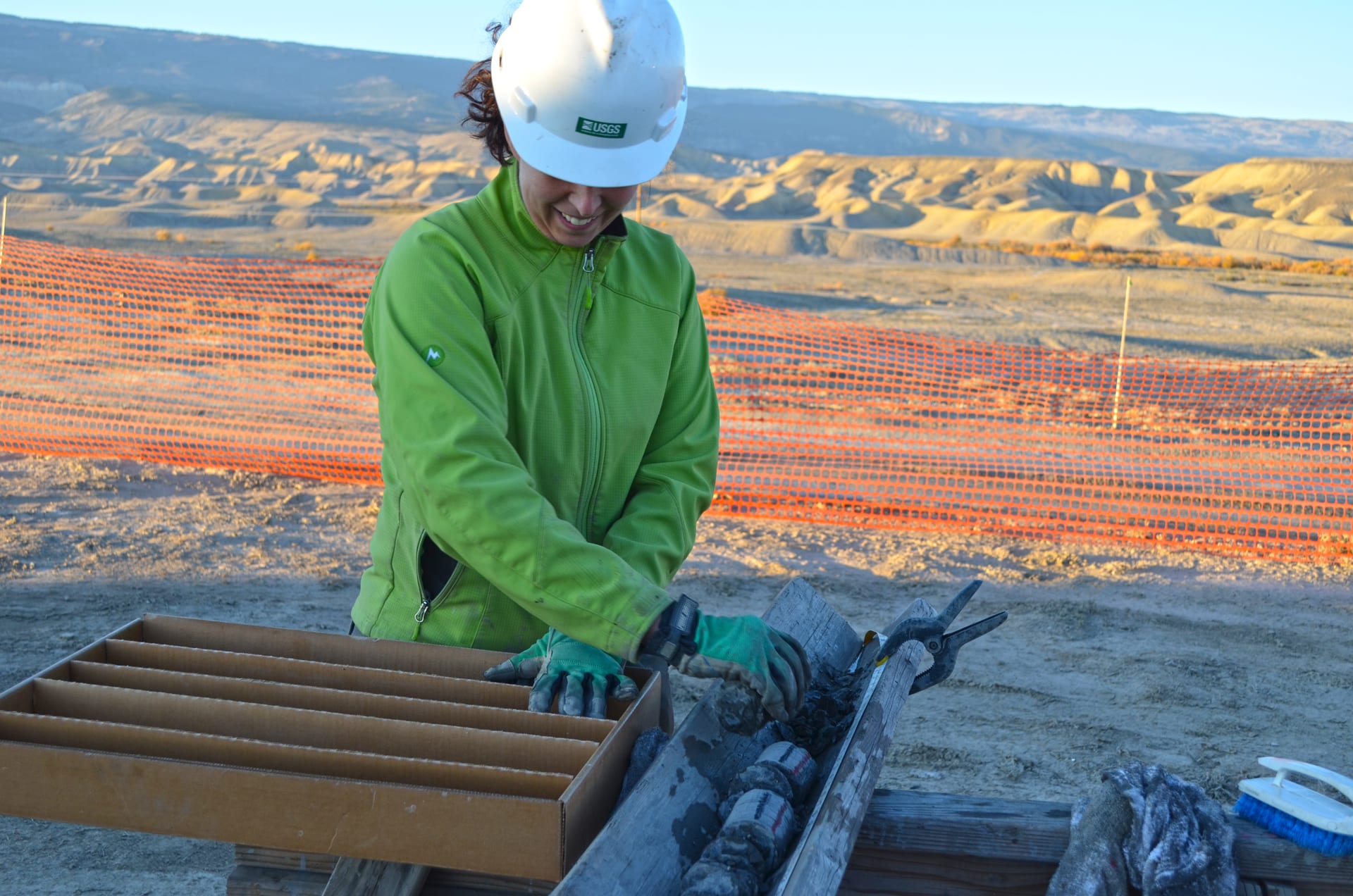
An exploration geologist builds a case for where oil or gas might have formed, moved and become trapped. They compare regional rock history, old wells, seismic and available samples. A prospect needs more than a shape on a map: the team needs evidence for source rock, a route for fluids, a reservoir and a seal.
They work with a seismic interpreter to map a possible trap and compare it with wells. The study ranks what is known and which parts are uncertain. One target may have a clear structure but weak evidence for charge; another may have better nearby well data but a less certain seal.
The geologist helps define the next useful survey, sample review or exploration well. Costs and access come from the wider team. A report should explain why the target is worth testing and what a dry or unexpected well would teach. Finding a prospect and proving a producing field are different stages.
Exploration Geologist Pay and Job Outlook
Alberta’s wider geoscience group earned CAD 28.85 to 117.95 per hour in Job Bank’s 2023–2024 data. The U.S. geoscientist middle-80% range was USD 28.52 to 96.26 per hour in May 2025. The surveys include jobs outside petroleum exploration.
Canada projects 4,400 openings in the wider group in 2026–2035, including 2,600 from retirements. That does not guarantee exploration projects or drilling budgets.
Exploration Geologist Training and Career Path
A geology or related earth-science degree gives a base in rocks, maps and geological history. Add petroleum-system concepts, logs and enough seismic knowledge to work with geophysicists. Further study may suit some specialist posts, but the employer should define that need.
New hires may start with regional mapping and data review under a senior geologist. Employers can teach their tools and prospect-review method. Professional practice and supervision follow the work location’s rules. Field travel can add local access and safety training beyond office-based study work.
Challenges of Working as an Exploration Geologist
Older wells and surveys may be sparse or hard to compare. A new idea can remain untested for years if the team does not drill it. You need to separate an appealing story from a supported prospect and keep uncertainty clear when investment decisions are made. Exploration spending can also change quickly.
Perks of Working as an Exploration Geologist
You can study a region at a wide scale and test how its geological history fits the evidence. The role suits people who enjoy maps, rock history and developing hypotheses. It can lead toward regional studies or exploration leadership.