What Does a Perforating Explosive Engineer Do at a Well?
A perforating explosive engineer helps plan where a crew will open holes through the casing and into the rock. The holes give oil and gas a path into the well. The engineer checks the well plan and picks a perforating gun setup that fits the job.
How Engineers Plan Perforating Work on Oil and Gas Wells
Review the target intervals with the completions team. Check the well conditions too. Check the casing and available space against the service equipment. A design needs to fit the well. It must connect the well with the target rock.
Assess tool options and the expected result. Use the service company’s design and test evidence. Confirm the agreed plan and record revisions. When field results are available, compare them with the objective and preserve the record of which zones were treated.
Some assignments cover design or tool development. Others focus on field engineering. A TCP engineer focuses on tubing-conveyed services. Authorized field personnel handle the explosive equipment. Some posts combine those duties.
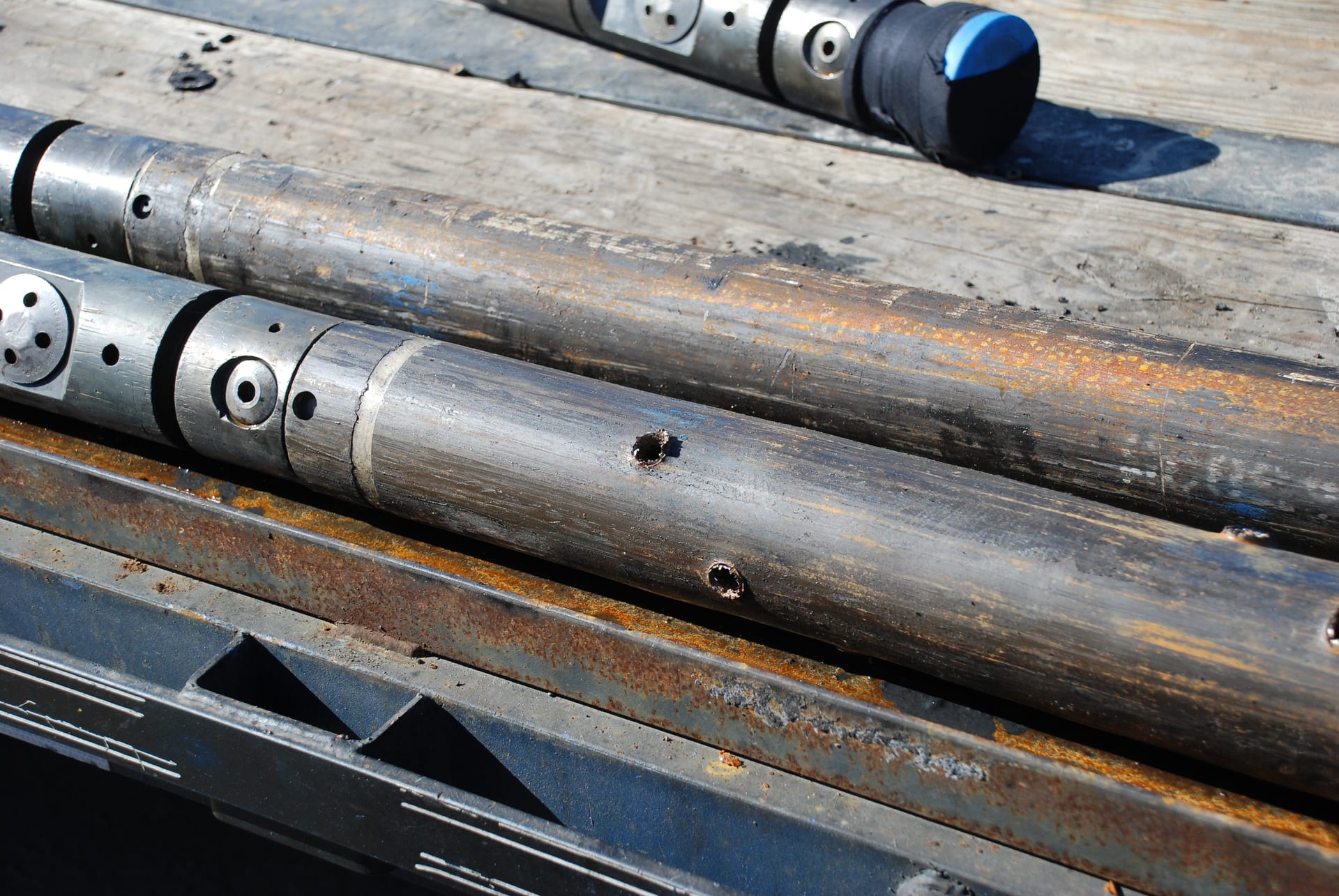
Engineering and Explosives Training for Perforating Work
Petroleum, mechanical or related engineering can provide a route. Service experience helps too. Learn well drawings, tool limits and how to review a design. Junior staff may support calculations or records before taking responsibility for a service plan.
To handle explosives, you need training and approval for that work. Natural Resources Canada sets Canadian federal explosives rules. ATF handles U.S. federal explosives requirements. Employers also train workers on their products and site duties. Design work does not replace the qualifications for a handling assignment.
Challenges of Designing and Supporting Perforating Jobs
A changed well plan can affect gear already prepared for the job. Several service crews may depend on the same schedule and depth reference. Keep revisions clear. Allow enough time to assess the change. Field-support posts can bring late calls and travel at short notice.
Perks of Working as a Perforating Explosive Engineer
You can connect a design with the result seen in a real well. The work combines equipment knowledge and reservoir questions. Experience may lead toward completions support or tool development, with a different balance of office and field work in each.