What Does a Formation Tester Operator Do at a Well?
A formation tester operator helps a wireline crew measure pressure in the rock around a well. They set up the tool, check the depth and watch the readings as the crew runs the test. Some tools also collect oil, gas or water samples for the well team to study later.
How Formation Tester Operators Record Pressure and Fluid Samples
Prepare and operate assigned formation-testing tools with the wireline crew. These tools can measure formation pressure and collect fluid samples. The tool configuration should fit the test objective and well conditions. A useful sample also needs a clear depth and identity.
Watch data quality and record events during the job within the assigned scope. Mud filtrate can affect a fluid sample, so the record needs to show its quality and limits. Work with the technical lead when readings differ from expectations. The crew’s measurements support a later technical review.
Keep tool checks, sample records and customer deliverables complete. A well testing engineer may interpret evidence from several sources. A formation-testing tool run differs from a long surface flow test. The operator gathers evidence. Final reservoir interpretation may be another person’s task.
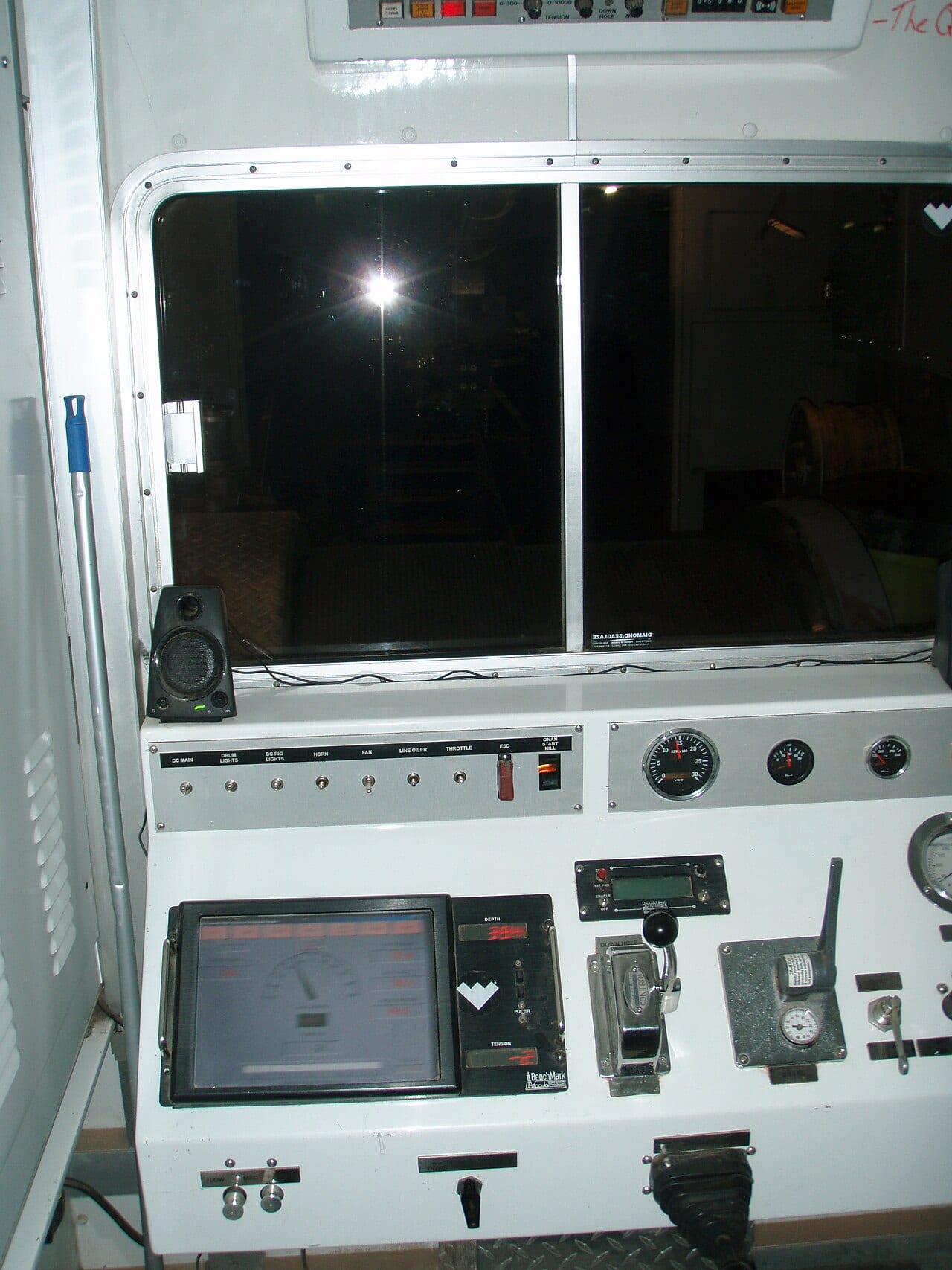
Formation Tester Operator Wages and Job Outlook
Job Bank's 2023–2024 data for Alberta put oil and gas well drillers, servicers, testers and related workers at CAD 25.00 to 70.00 per hour. In May 2025, the middle 80% of U.S. oil and gas service unit operators earned USD 18.72 to 46.90 per hour. The figures cover wider job groups.
Canada projects about 9,600 openings for the Canadian group from 2026 to 2035. About 5,100 could come from retirements.
How to Train for Formation Tester Work
Employers may train technical recruits for field work. Other posts need experienced tool operators. Learn pressure measurements, sample records and the actual equipment through supervised work. A tool course needs practical follow-up.
Wireline pressure-control and site training should match the role. Offshore access has further regional requirements. The company provides its procedures and checks readiness. Training on one tool family does not cover every formation-testing system.
Challenges of Working as a Formation Tester Operator
Tool performance and sample quality can vary with the formation. A reading needs context before it is used as a reservoir value. Clear records help the technical team understand a result that looks unusual.
Rig progress may change when a job starts. Field calls can involve long travel and shifts.
Perks of Working as a Formation Tester Operator
You help gather evidence that would be difficult to obtain from the surface alone. The role combines practical tools with pressure and fluid data. It can build a focused service skill with further training as the equipment and duties change.