What Does an FPSO Instrument Technician Do Offshore?
An FPSO instrument technician checks and repairs the devices that tell a floating oil and gas plant how it is running. The job covers sensors, valves and alarms. If the control room sees a reading that looks wrong, the technician can check whether the fault is in the device or the process.
How FPSO Instrument Technicians Check Plant Devices and Signal Records
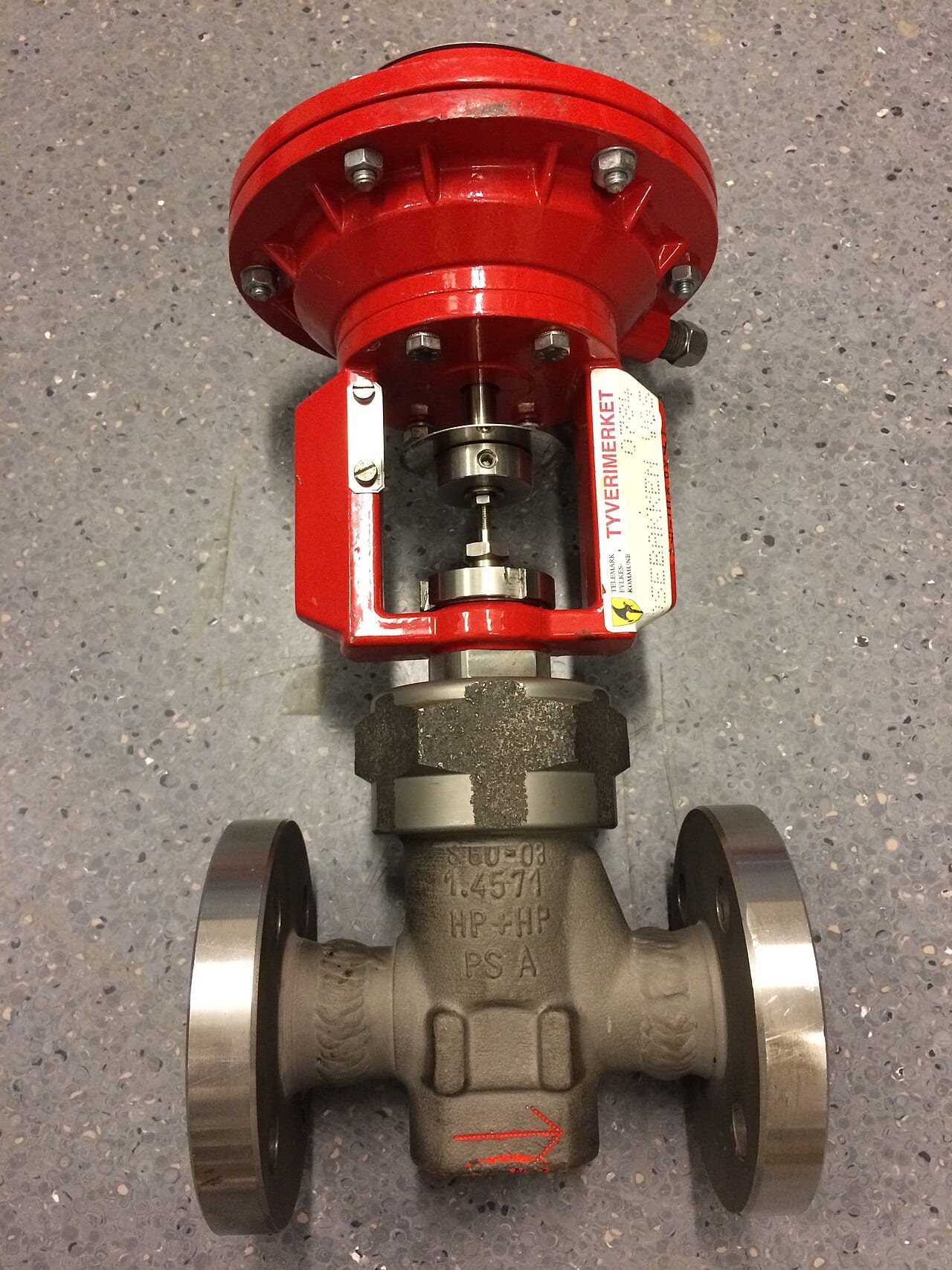
The technician maintains devices that show and control how the plant is running. These can include pressure and level transmitters, flow gear and control valves. A strange control-room reading may come from the process, the device or the signal path, so the checks need that wider context.
They compare records and field readings with operations, then use appropriate test references for the assigned work. Record the condition before work, the repair and later results. The measurement team may need the history if earlier volumes were affected.
Control and protective systems have their own test and change rules. Access to a device does not grant permission to alter every setting. Engineers and operating staff review issues within their assigned duties. Clear device identities and test records help prevent confusion between shifts.
FPSO Instrument Technician Pay and Job Outlook
Industrial instrument technicians in Newfoundland and Labrador earned CAD 38.00 to 56.00 per hour. Job Bank’s data covers 2023–2024. U.S. control and valve installers and repairers earned USD 22.07 to 54.09 per hour for the middle 80% in May 2025. Other gear and sites are included.
Canada projects 2,500 openings in its instrument group in 2026–2035. That includes 1,500 from retirements. Offshore rotation, paid travel, on-call time and allowances affect the actual offer.
Training for FPSO Instrument Technicians
An instrument apprenticeship or related technical program can provide a base. Local task and trade rules apply to certification and supervision. Learn instruments, drawings and test records as well as the software used to read them.
Employers provide vessel and gear training. Offshore medical and access needs depend on the post. Tests on safety systems or work in hazardous areas may need further training.
Challenges of Servicing Instruments on an FPSO
The fault may appear only under certain process conditions. Two devices may look alike and serve different tasks. Accurate records matter when several shifts share the work. Offshore posts involve long days, remote support and periods away from family.
Perks of Working as an FPSO Instrument Technician
You can connect a field reading with the gear and screen that depend on it. The role offers a mix of hands-on tests, data and operator contact. Experience can lead toward specialist instrument or maintenance support. Check the balance of planned work, call-outs and project changes.