What Does a Metering Technician Do in Oil and Gas?
A metering technician checks the equipment that measures how much oil or gas moves through a station. They test meters and sensors, fix faults and keep records of the results. At some sites, those readings decide how much product one company has sold to another.
How Metering Technicians Check Oil and Gas Meters and Records
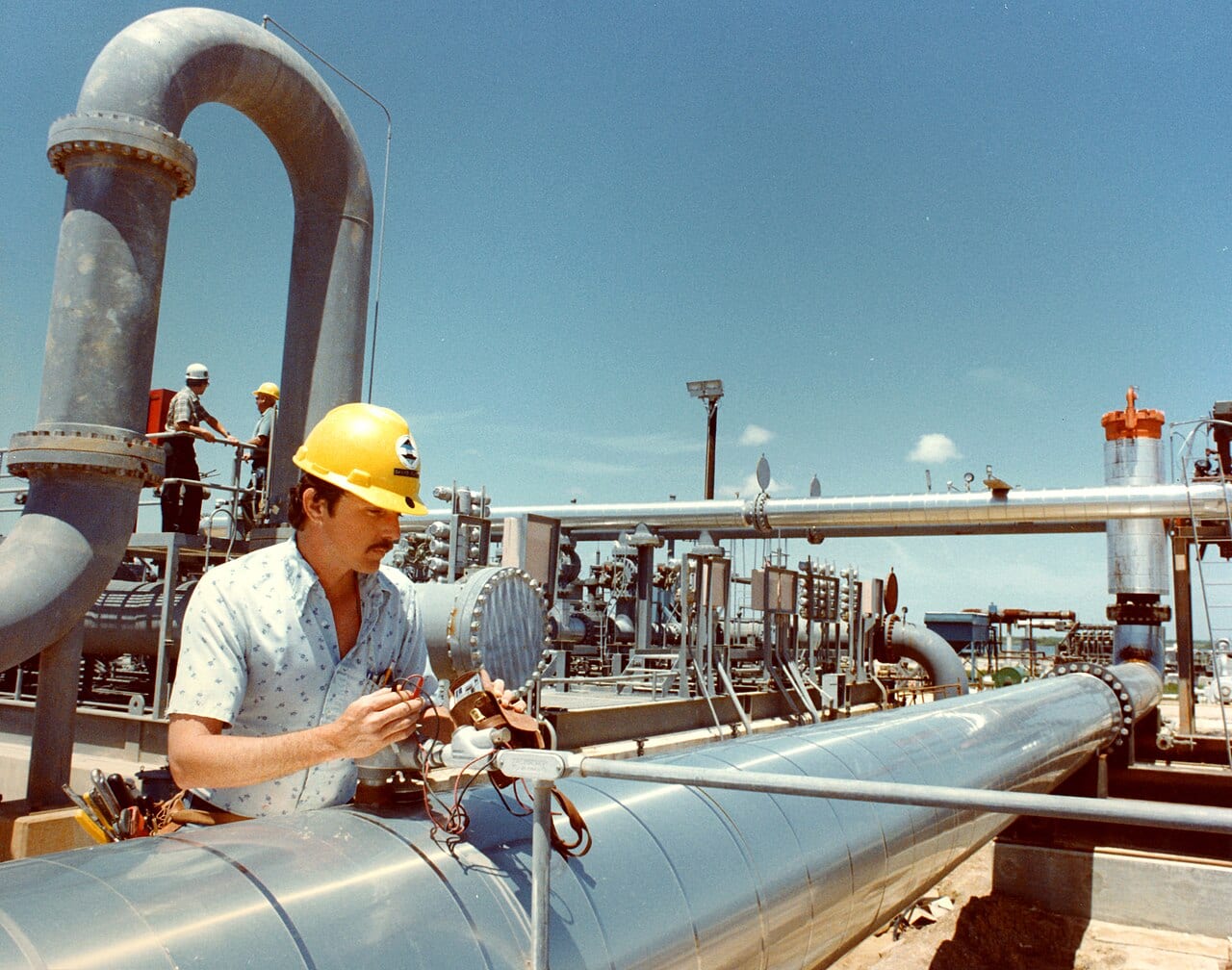
The technician checks oil and gas meters and the devices supporting their readings. These can include flow computers and sensors for pressure and temperature. They compare the system with test references and old records. The checks help find faults or readings that no longer fit the expected performance.
They record the condition before work, the checks made and the result after a repair or adjustment. The team uses that history to check whether earlier volumes may be affected. Changing a device and changing a sales record are different tasks, each with its own review.
Some readings support sales. Others support plant work or reporting. Meters used for trade have their own inspection and service rules. A technician may test or repair a device. That does not grant authority to certify every type of meter.
Metering Technician Wages and Job Outlook
For instrumentation context, Alberta industrial instrument technicians earned CAD 29.70 to 67.85 per hour in Job Bank’s 2023–2024 data. The U.S. middle-80% range for control and valve installers and repairers was USD 22.07 to 54.09 per hour in May 2025. These include other equipment and industries.
Canada projects 2,500 openings in its instrument group in 2026–2035, including 1,500 from retirements. Travel, overnight stays and overtime can affect a service offer.
Instrument and Measurement Training for Metering Technicians
Instrumentation, electronics or related technical training can provide a base. Learn how meters work and how test references are checked. Keep clear records. Employers may train staff on their meters, flow computers and reporting systems.
Trade work must follow the relevant meter inspection and service rules. Local trade requirements and the site also matter. A short meter course does not qualify a worker for all electrical or gas tasks.
Challenges of Metering Work at Oil and Gas Stations
A fault may be intermittent or visible only under certain flow conditions. The site may also need the system back quickly. Keep clear before-and-after records. The next reviewer needs to understand the change. Field routes can involve winter roads, remote stations and call-outs.
Perks of Working as a Metering Technician
You can trace a measurement problem to a concrete device or data issue. The work combines instruments, field visits and detailed records. It can lead toward meter support or wider instrument work.