What Does an FPSO Marine Engineer Do?
An FPSO marine engineer designs or checks the ship systems on a vessel that produces and stores oil offshore. You may work on ballast, seawater, drains, or other services the vessel needs to stay in use. The job helps the vessel and the plant on its deck work together.
How FPSO Marine Engineers Check Vessel and Plant Service Needs
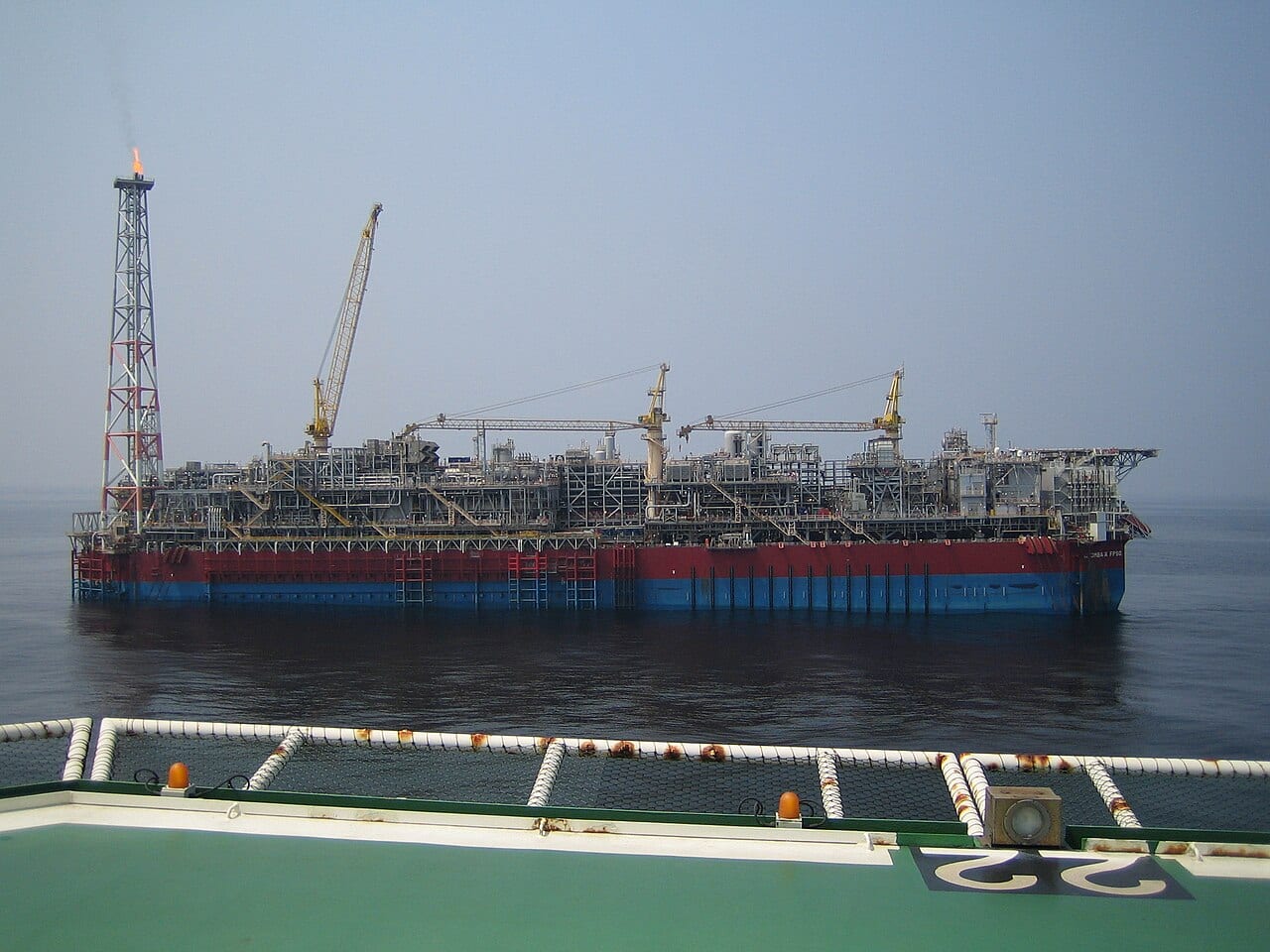
An FPSO combines a vessel with a plant that produces, stores and offloads oil. The marine design engineer checks ship services such as ballast, seawater and drainage. They work out how those services meet vessel needs and the demand from the process plant on deck.
They review pump duties, pipe layouts, tank space and the loads each system adds. The FPSO hull engineer checks hull and tank interfaces. Process staff provide plant demand. Design cases show which users draw on the service at the same time. They include startup and cases with a system out for repair.
The engineer checks supplier records and helps plan tests before the vessel enters service. Changes during a conversion need a record of what was found in the old ship. Vessel officers and a ballast control operator provide operating feedback. Design support is separate from taking the crew’s assigned watch or ballast-control duties.
FPSO Marine Engineer Pay and Job Outlook
For FPSO marine design context, Newfoundland and Labrador’s broad other-professional-engineers group earned CAD 28.85 to 69.23 per hour in Job Bank’s 2023–2024 data. The group includes marine engineers and naval architects. U.S. marine engineers and naval architects earned USD 39.91 to 83.33 per hour for the middle 80% in May 2025.
Canada projects 18,300 openings in the wider Canadian group in 2026–2035, including 7,700 from retirements. It includes many other fields. These are not ship engine-room officer rates.
FPSO Marine Engineer Training and Career Path
Marine, mechanical or naval engineering studies can lead to design work. Learn to read ship drawings and check service loads. Yard experience helps you understand access, installation and the records needed when a system is handed to the crew.
Employers may teach their project tools and test records. The vessel’s flag, class and location shape its reviews and access training. A seagoing engineering officer needs marine credentials. That is a different route from shore design work.
Challenges of Working as an FPSO Marine Engineer
A plant change can add demand to a ship service with little spare capacity. A conversion may also reveal pipes or tank details missing from old plans. Yard deadlines and offshore weather can limit test time. Project support may mean travel between design offices, suppliers and the vessel.
Perks of Working as an FPSO Marine Engineer
You work where vessel systems and process equipment meet. The same project can offer design, yard and field experience. It can lead toward marine-system expertise or owner technical support.