What Does a Frac Operator Do at an Oil or Gas Well?
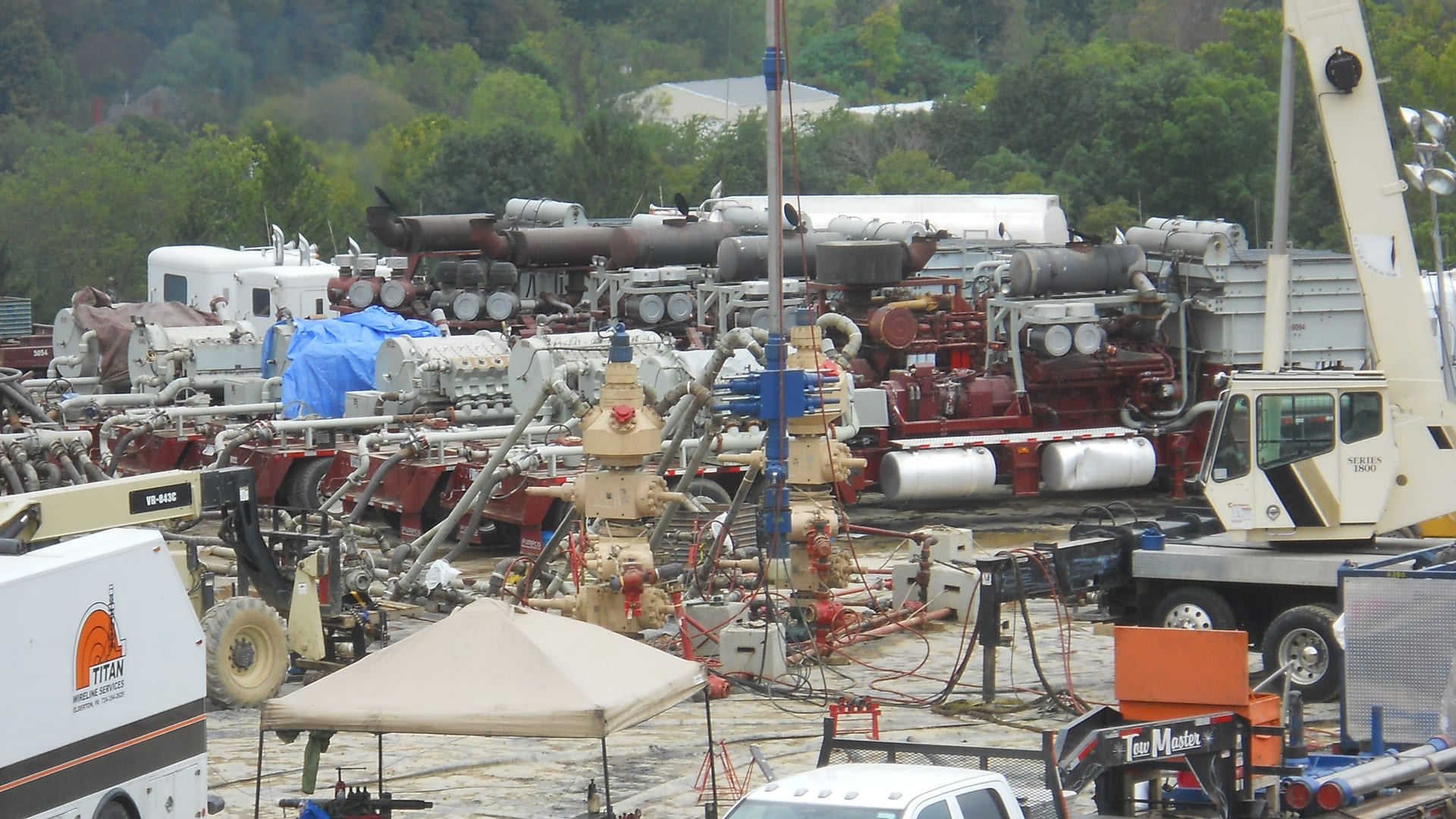
A frac operator sets up and runs gear used to fracture rock in an oil or gas well. The crew pumps fluid and sand into the well during the job. Operators watch their equipment and report changes so the crew can keep track of what is going into the well.
How Frac Operators Run Assigned Oilfield Pumping Stations
The operator runs an assigned part of a fracturing spread. A spread can include pumps, a blender and the equipment that supplies sand and fluid. Each station needs clear contact with the rest of the crew. Its readings and output must fit the reviewed plan.
They help prepare and check equipment, monitor its performance and report faults or changed conditions. Some operators focus on pumps; others handle proppant supply or the blender. Proppant is the solid material that helps hold fractures open. Sand-silo and proppant-handling titles can describe one assignment within the wider crew.
The frac supervisor coordinates service delivery. A fracturing engineer supports the technical design and review. Operators keep station records. They pass equipment findings to the next shift. Learning another station takes training. The operator title does not mean every worker runs the whole spread.
Frac Operator Wages and Job Outlook
Alberta’s related well-drilling and service-operator group earned CAD 29.00 to 47.30 per hour in Job Bank’s 2023–2024 data. U.S. oil and gas service unit operators earned USD 18.72 to 46.90 per hour for the middle 80% in May 2025. These groups cover other service duties and experience levels.
Canada projects 500 openings in its group in 2026–2035, including 500 from retirements. Group employment is projected to fall by 200, so openings do not mean overall growth. Camp, hotel and meal support depend on the assignment.
Training for a Frac Pump Crew
Employers may recruit trainees or seek prior oilfield and equipment experience. New staff need supervised station training, records practice and site induction. Driving needs the right licence for the vehicle. That is separate from learning the pumping gear.
Trican’s Canadian guidance prefers Class 1 for operator roles. It also considers training suitable Class 5 drivers. It also says gas-safety, WHMIS and dangerous-goods training can be provided after hire. That is one employer’s route.
Challenges of Working as a Frac Operator
The work involves noise, long shifts and heavy equipment around a busy pad. Sand-handling tasks also need the site’s dust controls and training. Rural travel, spring road restrictions and weather can move job dates. Time on call and away from friends or family can be harder to plan than the shift itself.
Perks of Working on a Frac Crew
You learn equipment through practical work with a coordinated crew. Moving between trained stations can build a path toward senior operator or supervisor work. Some posts offer a regular rotation and a local base.