What Does a Froth Treatment Operator Do in Oil Sands?
A froth treatment operator works at an oil sands plant that cleans bitumen froth. The froth comes from the extraction plant with some water and fine rock still in it. The operator checks the equipment and samples so the team can send cleaner bitumen to the next stage.
How Froth Treatment Operators Check the Bitumen Process
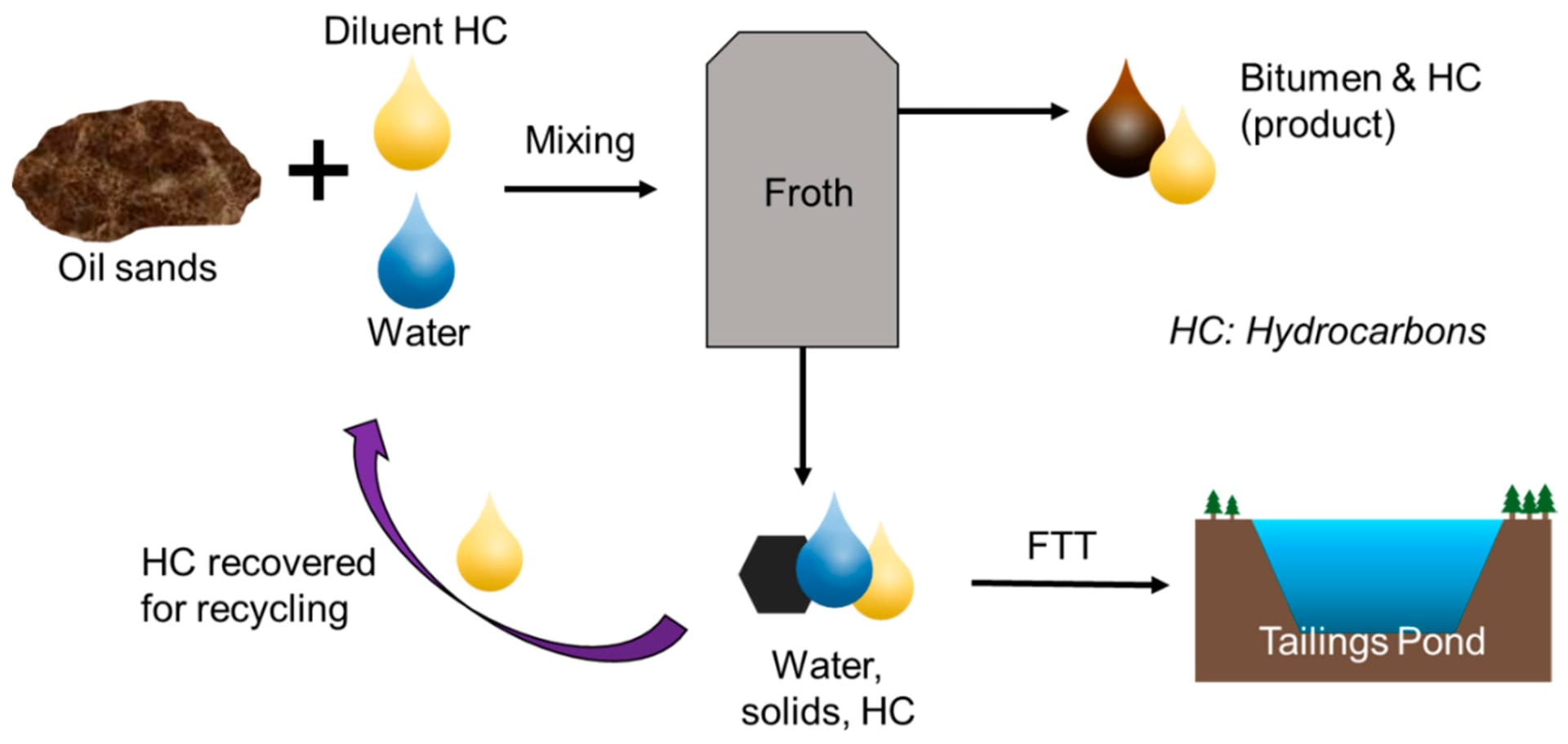
A froth treatment operator works after oil sands extraction has made a froth rich in bitumen. Water and fine solids still remain. The treatment unit separates more of that material so the bitumen can move to the next stage. Plants can use different equipment and solvents.
Compare equipment readings with product samples and the recent shift history. A change in the feed can affect the separation and the quality of the outgoing stream. Watch the assigned pumps, vessels and solvent-recovery equipment on rounds. Report an unusual condition to the control room with enough detail to locate the problem.
Keep sample results and the shift log up to date. Raise repair requests and help hand over equipment under the site plan. The control room operator needs to know which equipment is available. The lab provides sample results. The process team helps assess faults that keep coming back. Follow the plant’s procedures. Changing the solvent or process design is not an operator’s choice.
Froth Treatment Operator Wages and Job Outlook
Alberta’s wider oil, gas and chemical process-operator group earned CAD 32.00 to 72.12 per hour in 2023–2024. It is a broad comparison for this oil sands role, rather than a froth-unit wage schedule. The job is concentrated in Alberta; U.S. refinery rates describe a different labour market and assignment.
Canada’s forecast spans the whole process group in 2026–2035. It projects about 4,100 openings, with about 3,200 due to retirements. The total includes other industries. It is not a count of new froth-treatment jobs.
Night premiums and overtime are separate. A remote job may supply camp and meals, with transport from set hubs. Supplied transport may not start at your home.
Oil Sands Process Training for Froth Treatment Operators
Plant or extraction experience can provide a route. Suncor’s Fort Hills 2026 example preferred paraffinic froth-treatment experience and listed power engineering as an asset. Other plants can set different requirements. Learn the unit you will work on. Two froth-treatment plants may use different gear.
Learn to read process drawings and make rounds. The site also teaches sampling and how to hand over equipment. Site training covers solvent hazards and stored energy. Staff also learn their emergency duties. A process course gives background. The plant must still check each worker’s skills before they run the unit on their own.
Challenges of Running an Oil Sands Froth Treatment Unit
Changes in extraction feed can affect several readings and samples at once. The crew needs a clear timeline to tell a brief change from a continuing problem. Maintenance and operations may have to work together when equipment performance affects product quality.
Remote shift work can mean long days and time away from friends and family. Outdoor rounds add winter conditions to the job. Flights or buses from a hub can also extend the time away, so compare the full travel plan as well as the shift rotation.
Perks of Working as a Froth Treatment Operator
You learn a distinct part of the oil sands process, including fluid separation and solvent recovery. The results of field checks and samples help show how the unit is performing. With more training, you may move to another unit or the board. Time served alone does not guarantee that move.