What Does a Gas Lift Specialist Do at an Oil Well?
A gas lift specialist helps wells bring oil and other fluids to the surface. Gas lift adds gas to make the fluid in the well easier to lift. The specialist checks how the well and its valves are working, then helps decide what to change.
Key takeaways
- The specialist works on one type of artificial lift.
- A well may share its gas supply and compressors with other wells, so changes can affect the rest of the field.
How Gas Lift Specialists Check a Well's Performance
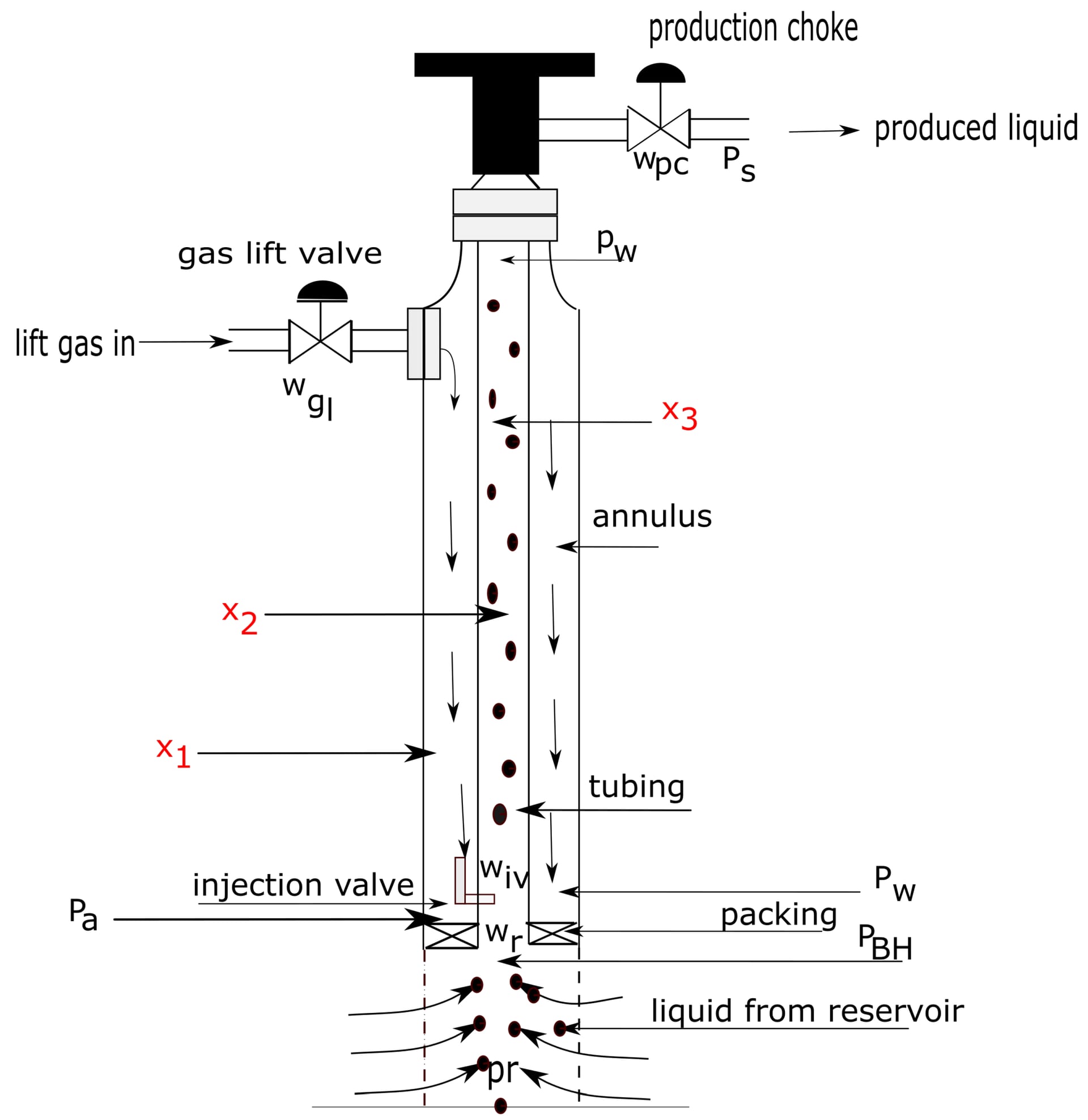
The system sends gas into the well through gas lift valves. It lightens the fluid column so the well can bring more liquid to surface. Valve depths, gas pressure and the amount of gas sent down depend on that well's conditions.
A performance specialist compares well tests with the gas supply and pressure records. They may use a flow model to test possible changes before recommending one. A well that shares a compressor with other wells also shares a limit on available lift gas. A useful recommendation considers the field, as well as the individual well.
A service specialist has a more hands-on role. They can inspect, test and repair gas lift equipment in a shop and lead installation or retrieval work at a site. The service record needs to identify the equipment and what was tested or repaired. That is a different emphasis from building the well model, though some jobs combine the two.
After an approved change, the specialist reviews the later well data with operations. A quick increase in flow is one observation. The team also needs to see whether the result holds and whether it affected other wells or the surface plant.
Well and Equipment Training for Gas Lift Specialists
People enter through well service, production operations or petroleum engineering. Mechanical experience can fit valve service. A technical or engineering background can fit well modelling and design. Senior service roles may expect years of gas lift work and experience leading field jobs.
Training may cover valve models, shop tests and the operator's site rules. Work at the well needs training for its specific pressure-control duties. Software training is useful for analysis roles, but does not replace understanding the well and checking the inputs.
Challenges of Keeping Gas Lift Wells Producing
Less oil can mean a lift problem, a change in the well or a surface limit. A compressor fault can affect several wells at once and make a local change hard to judge. Service work can involve travel and waits for a well service crew. Desk-based monitoring roles have a different schedule, so check the field and on-call duties.
Perks of Working as a Gas Lift Specialist
The role lets you follow a change from equipment or well data to later production. Service experience can lead to technical support or crew leadership. Analysis experience can support wider artificial lift or production work, with engineering posts calling for the qualifications their scope needs.