What Does an Oil and Gas Geologist Do?
An oil and gas geologist studies rock to help find places where oil or gas may collect and learn how a field fits together. They compare rock samples, well logs and maps. The results help the well team choose where to drill and what to check after the bit reaches the target.
How Oil and Gas Geologists Build Rock Models From Well Data
A geologist brings well logs, rock samples and maps into a model of the field. They trace layers from well to well and check where faults or changes in rock quality may matter. The map should show the evidence for a target, not just a smooth shape between a few wells.
They work with a petrophysicist on what logs suggest about the rock and fluids. Seismic work adds a wider view between wells. New core or well results can change the interpretation. Keep the source, depth and version of each data set clear so the team knows which model it is using.
Cenovus’s November 2026 Calgary geologist role supports thermal assets near Lloydminster. It joins core, logs and well plans with reservoir and development teams. Other posts focus on new prospects, producing fields or mines. The asset and study question define the work more clearly than the word geologist alone.
Oil and Gas Geologist Pay and Job Outlook
For context, Alberta geoscientists and oceanographers earned CAD 28.85 to 117.95 per hour in Job Bank’s 2023–2024 data. U.S. geoscientists earned USD 28.52 to 96.26 per hour for the middle 80% in May 2025. These include work beyond petroleum geology.
Canada projects 4,400 openings in the wider group in 2026–2035, including 2,600 from retirements. The total covers other earth-science roles. A mine assignment and a Calgary development post can have different schedules.
Oil and Gas Geologist Training and Career Path
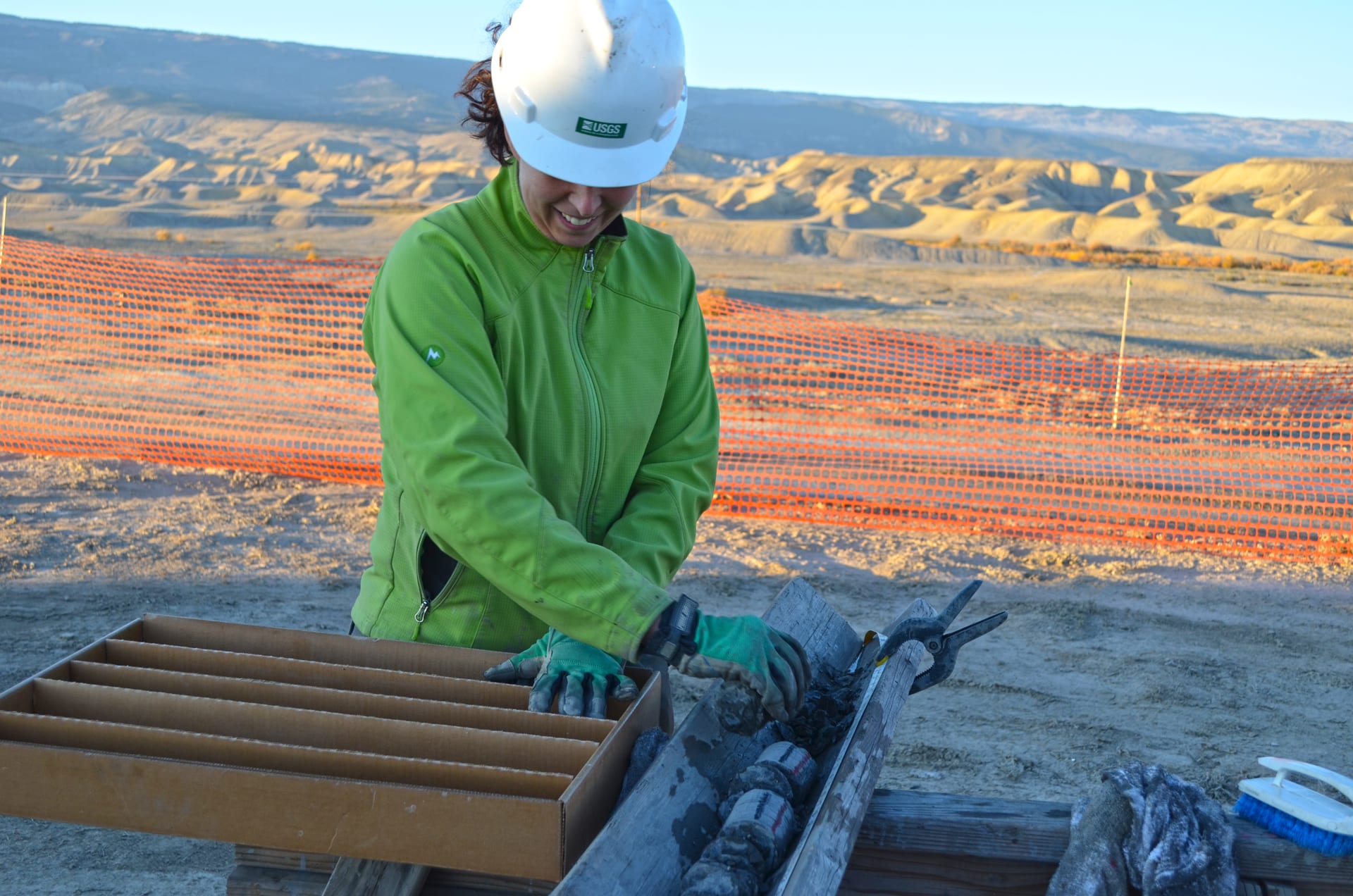
A geology, earth-science or related degree is a common route. Learn rock description, maps, well logs and how to test an interpretation. Field and lab work help you connect the data with the rock it represents.
Professional geoscience practice in Alberta follows provincial registration rules. Graduates can build experience under qualified review. Cenovus’s experienced role asks for four or more years in geoscience and membership, or progress toward it, with a provincial professional body. Employers can teach their software and asset workflow after hire.
Challenges of Working as an Oil and Gas Geologist
The data rarely cover the whole field. A neat map can hide a large gap between wells, and two plausible models may suggest different targets. You need to show the limits and explain which new sample, log or survey would help. Project deadlines can arrive before every geological question is settled.
Perks of Working as an Oil and Gas Geologist
You can compare a prediction with the rock and fluids found in a new well. The work combines visual thinking, evidence and contact with several technical teams. It can lead toward exploration, development or specialist studies.