What Does a Ground Hand Do Around an Oil Rig?
Ground hand can describe someone who helps a rig crew at ground level. The work may include keeping pipe and tools in order, cleaning up and helping prepare the site for a rig move. The label can also appear outside oil and gas, so check what kind of crew is hiring.
How Ground Hands Support Oilfield Crews and Rig Moves
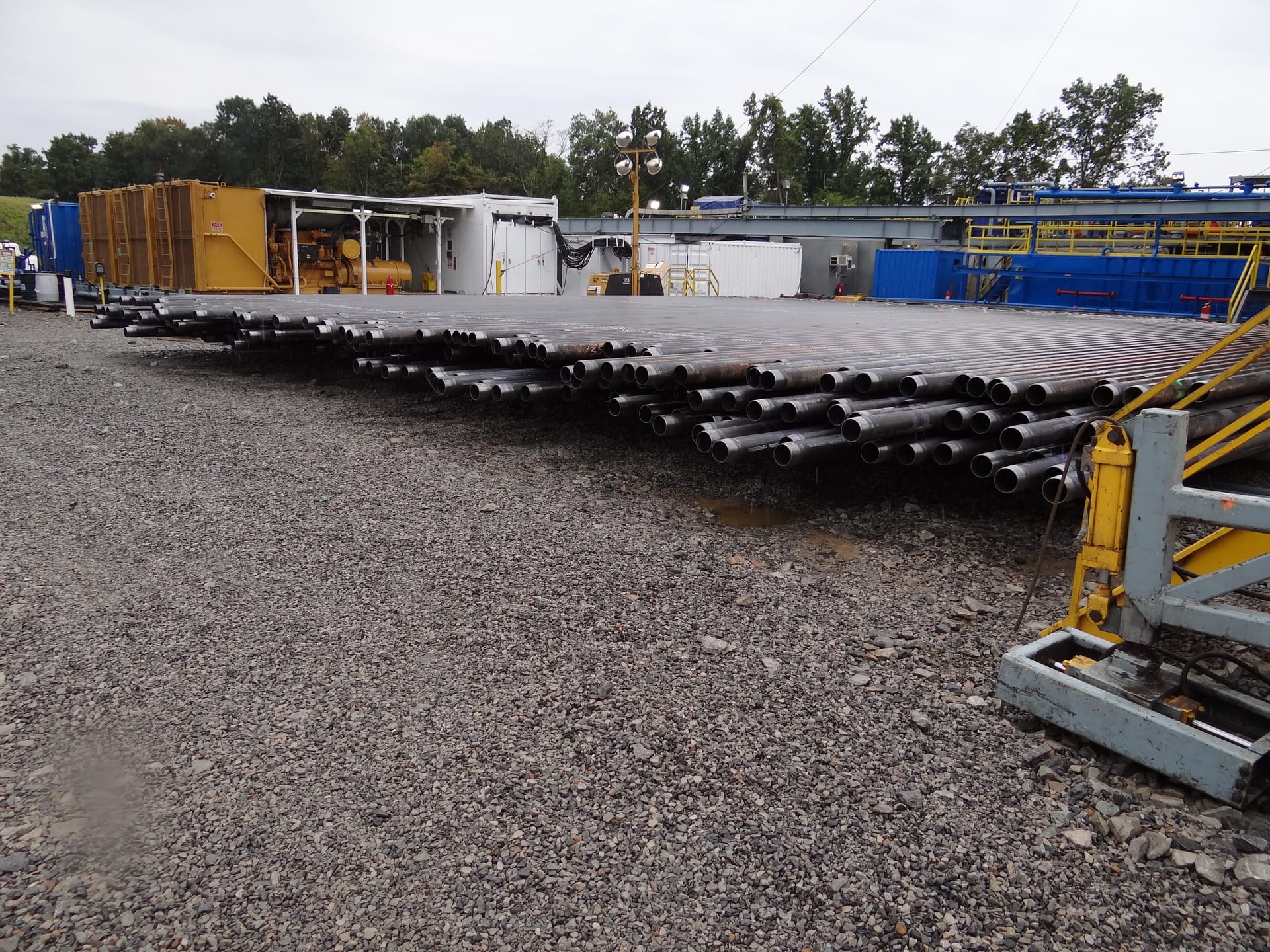
Help the assigned oilfield crew with ground-level work within the training given. Tasks may include organizing tools and pipe, housekeeping and preparing equipment for a move. Ground hand is a broad label. It can also describe work outside oil and gas, including power-line crews.
Follow the supervisor’s work plan and keep clear of tasks that need separate qualifications. A floorhand has a defined drill-floor role; the ground-hand label does not automatically mean the same job.
Check and care for assigned tools, keep access areas orderly and report defects. Help prepare records and handovers within the role. A roustabout may have related support work, but duties differ by site. A general helper title does not qualify someone to operate every machine.
Ground Hand Wages and Job Outlook
Job Bank's 2023–2024 data for Alberta put oil and gas drilling and service labourers at CAD 23.00 to 39.50 per hour. In May 2025, the middle 80% of U.S. oil and gas roustabouts earned USD 17.51 to 31.03 per hour. The figures cover wider job groups.
Canada projects about 500 openings for the Canadian group from 2026 to 2035. About 400 could come from retirements.
Use the pay group as a comparison when the opening is in drilling or well service.
Site Training for Ground Hand Work
Employers may hire new entrants and provide practical instruction and site orientation. Learn the layout, communication and assigned tools before taking work alone. Equipment operating and driving duties need their own training and licence where applicable.
Western Canadian service employers may provide some safety courses after hiring. First aid, hydrogen-sulphide and other site courses depend on the assignment. Training should fit the crew rather than copy a list from an unrelated power-line job.
Challenges of Ground Hand Work at Remote Oil Rigs
The work can mean lifting, mud, cold, heat and long periods outside. Remote roads and weather can delay a move. A new worker needs to ask for clarification when the task or signal is unclear.
Hours may follow rig activity rather than a fixed local schedule. Time away from family and friends is part of some jobs, while others return to base daily.
Perks of Starting in Ground Hand Work Around a Rig
You can learn how an oilfield crew works while earning and building basic practical skills. A good employer provides instruction and a clear path to assessed tasks. Further training may open more defined roles as experience grows.