What Does an Offshore Helicopter Pilot Do?
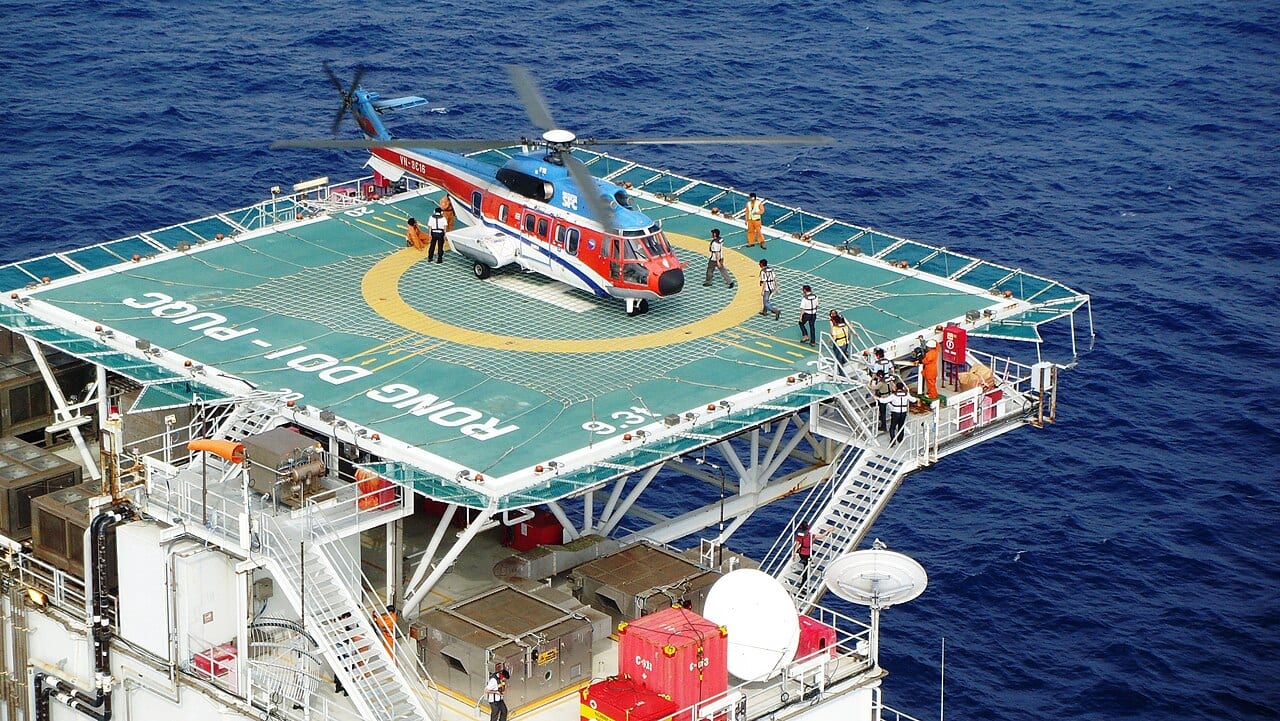
An offshore helicopter pilot flies people and supplies between shore and oil and gas rigs, platforms or vessels. Before a flight, the crew checks the route, weather, load and landing area. The pilot must be able to change plans if the weather closes in or the deck is no longer clear.
How Offshore Helicopter Pilots Plan an Oil and Gas Crew Flight
The crew checks the route, weather, aircraft load and sites on the flight plan. A helicopter landing officer provides deck information. The pilot makes the flight decision within the aircraft operator’s rules. Weather changes or an unavailable deck can require a revised plan.
The job includes flight planning, sharing duties with the other pilot and records after landing. Offshore flights serve platforms, rigs and vessels with different landing conditions. The helideck team leader has a separate site emergency role. The work differs by aircraft and by captain or first-officer post. Some firms also have separate crews for search and rescue.
Offshore Helicopter Pilot Wages and Job Outlook
As a broad fallback, Job Bank’s Canada-wide 2023–2024 range is CAD 24.04–106.00 per hour for air pilots, flight engineers and flying instructors. In May 2025, the middle 80% of U.S. commercial pilots earned USD 58,850 to 266,620 per year.
These surveys cover other kinds of flying, so they are not offshore pay scales. Canada projects 6,500 openings in the wider pilot group for 2026–2035, including 1,500 from growth and 3,800 from retirements.
Licences and Offshore Training for Helicopter Pilots
To get a Canadian commercial helicopter licence, you need a valid Category 1 aviation medical. In the U.S., the FAA issues a commercial certificate with a helicopter rating. Offshore firms commonly need pilots with more hours and skills than a first licence provides.
Challenges of Flying Helicopters to Offshore Oil and Gas Sites
Cloud, visibility and a moving vessel can change the plan while people wait for a crew change. The pilot needs clear information and time to make the flight decision. Rotations and weather delays can also affect nights away.
Perks of Flying Helicopters to Offshore Oil and Gas Sites
You gain experience flying as part of a crew to remote work sites. With enough flight time and training, you may move from first officer to captain or into pilot training. A rotation can provide blocks of time at home, though travel and delays affect the time off.