What Does a Helideck Assistant Do Offshore?
A helideck assistant helps prepare an offshore deck for helicopter flights. They clear loose gear, guide people along the marked route and carry out deck checks for the landing officer. Some assistants have a second duty on the emergency team. They practise that job with the crew before taking part.
What Helideck Assistants Check Before a Flight
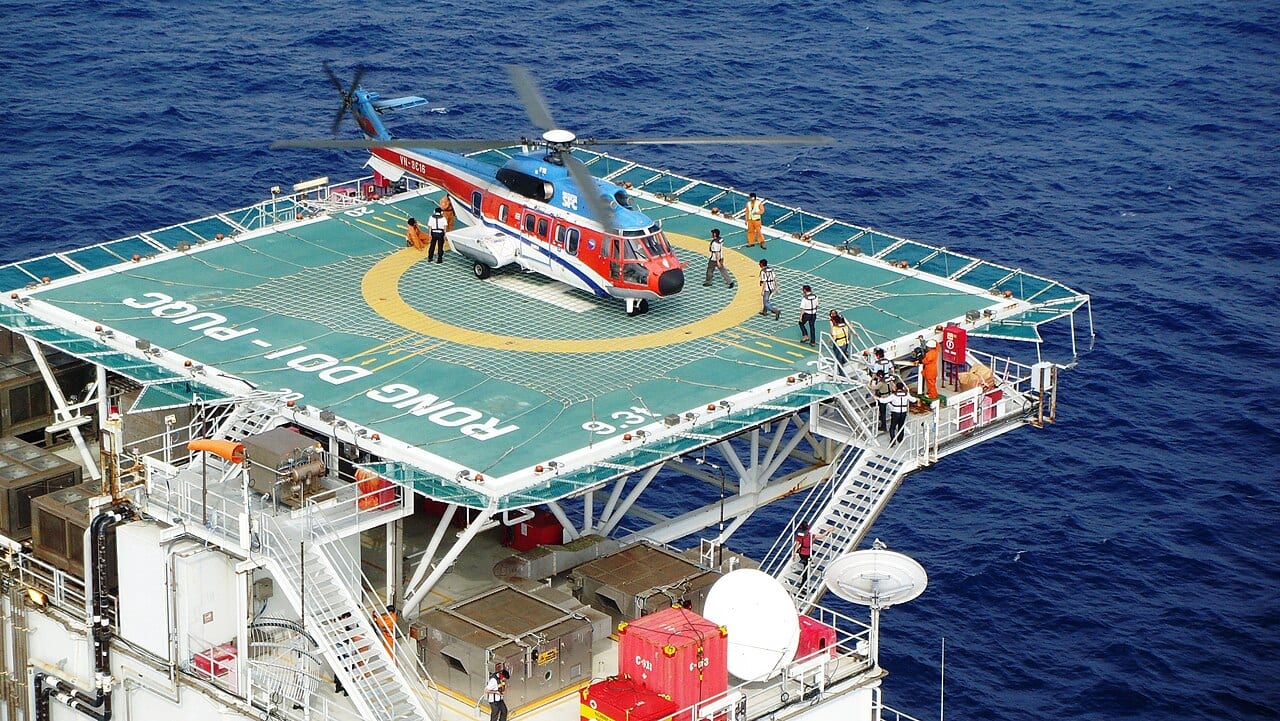
An assistant may check that a hose has been put away, keep a gate shut during a landing and help move bags once the helicopter landing officer clears the deck. What you can do near the aircraft depends on your training and the site's rules. If you are on the response crew, the helideck team leader assigns your part in a drill.
The flight visit has several parts. The team checks deck readiness, prepares for people and baggage to move, and reports a problem that affects the area. Loose gear is a concern because rotor airflow can move it. The assistant works under the landing officer and the site's flight procedures.
At crew change, bags and passengers can arrive while other deck work is still under way. The team needs to know what is ready and what must wait. Clear reports let the landing officer coordinate the deck. The aircraft crew keeps its own authority over the flight.
Emergency response, refuelling, and weather reporting can be separate assignments. A post that includes one of them needs the associated training and assessment. Read the full duty list rather than assuming every helideck assistant does all of those jobs.
Helideck Assistant Training for Offshore Work
OPITO's initial HLO and HDA course is part of a wider training route. It includes an entry requirement for suitable dangerous goods by air training. The duty holder also arranges workplace training and competence assessment before appointment. Extra courses depend on the assigned duties and region.
Challenges of Offshore Work for Helideck Assistants
The deck can be cold and wet, and a flight can arrive late in a hitch. You need to stay alert around rotor noise, follow signals and wait for a clear instruction before moving.
Noise and poor visibility make a short, clear message more useful than a long explanation. Flight times can change with weather and other work.
Perks of Offshore Work for Helideck Assistants
The duty gives a deck worker more experience with flight support and close teamwork. With workplace experience and further assessment, some people work toward landing officer duties. That progression depends on the operator's needs and the training required for the next post.