What Does a Hydrotreater Operator Do at a Refinery?
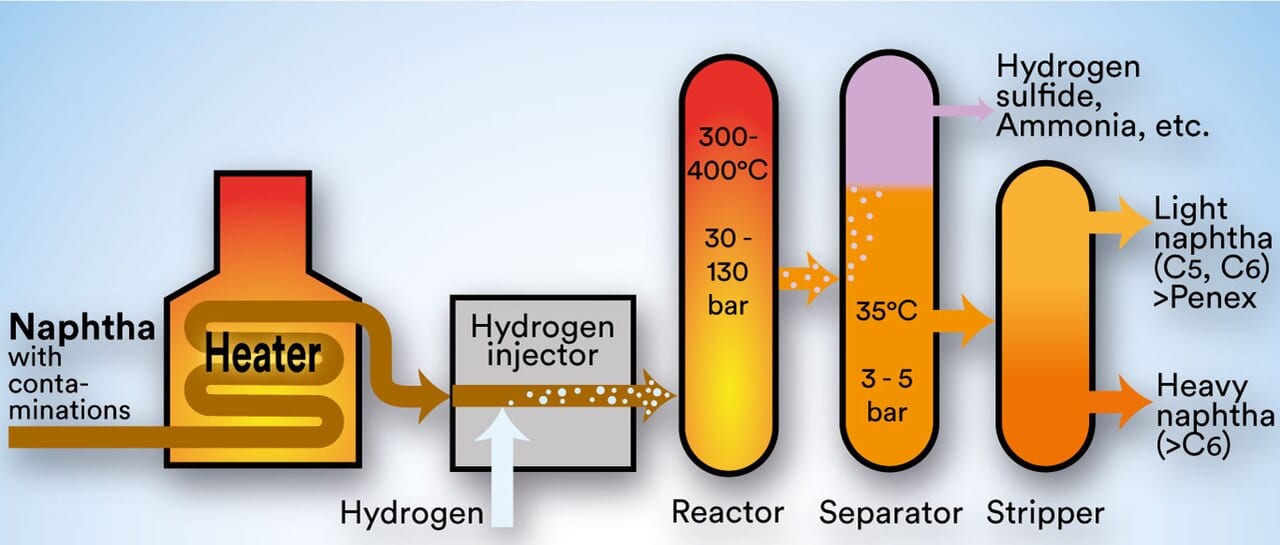
A hydrotreater operator runs a refinery unit that uses hydrogen to take sulphur out of oil streams. They watch flow, pressure and heat as the unit runs. They also check the treated stream. If a reading or sample changes, they let the crew know what needs a closer look.
How Hydrotreater Operators Check Hydrogen and Product Quality
Work on the assigned part of a unit that treats oil streams with hydrogen. Field rounds may cover pumps, exchangers and the reactor area. Check readings and samples with the control room. Record faults and work that the next shift needs to know about.
Compare product quality with the unit’s recent running conditions. A change in sulphur results may need checks of feed, hydrogen supply or equipment. Report the evidence and follow the site’s response plan. Senior operators and process staff can provide support.
A hydrocracker operator also works with hydrogen, but that unit breaks heavier molecules into lighter products. Hydrotreating mainly removes unwanted compounds, such as sulphur. A site may train staff across both areas. Each unit needs its own skill checks.
Hydrotreater Operator Wages and Job Outlook
Job Bank lists CAD 32.00 to 72.12 per hour in Alberta for oil, gas and chemical process operators in 2023–2024. In May 2025, the middle 80% of U.S. refinery operators, petroleum pump operators and gaugers earned USD 27.46 to 55.71 per hour. These figures cover wider job groups.
Canada projects about 4,100 openings in its group from 2026 to 2035. About 3,200 could come from retirements.
Hydrotreater Operator Training for Refinery Work
Process-operations study or related plant experience can provide a start. New staff learn field equipment and rounds before taking more responsibility. Sites assess their own unit skills and may train operators for a console role later.
Canadian power-engineering rules depend on the province and equipment. Site training covers hydrogen, pressure and any sour streams. You also learn about permits and emergency duties. Check the certificate needed at entry.
Challenges of Refinery Work for Hydrotreater Operators
A sample result can arrive after the conditions that caused it have changed. The operator needs good shift records to connect the two. Nights, noise and outdoor rounds can add fatigue. Maintenance work also changes what equipment is available and what the next crew must watch.
Perks of Refinery Work for Hydrotreater Operators
You learn how refinery streams are prepared for later processing or sale. The job combines physical rounds with process trends and teamwork. Further training can lead to console or lead work. The timing depends on vacancies and your skills.