What Does a Hydrocracker Operator Do at a Refinery?
A hydrocracker operator runs a refinery unit that turns heavy oil into lighter streams. The unit uses hydrogen, heat and a catalyst. The operator checks the gear and reads gauges on shift. They work with the field or control room crew if a reading is outside the plant's limits.
How Hydrocracker Operators Check Feed, Hydrogen and Product Streams
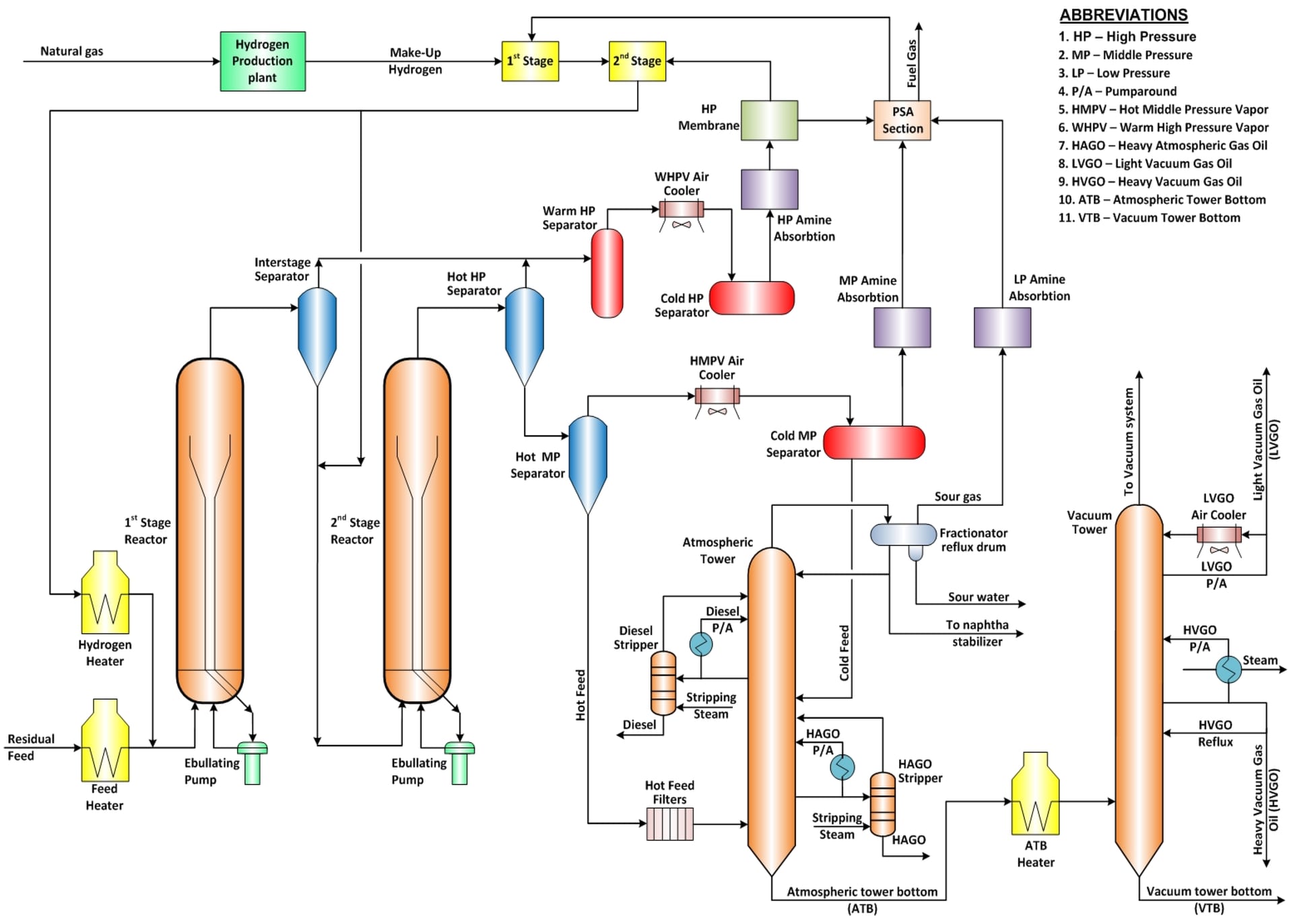
A hydrocracker uses heat and hydrogen to break large oil molecules into smaller ones. A catalyst helps that reaction take place. The unit makes streams for diesel, jet fuel and other products. A hydrotreater operator uses a related process to take out unwanted material such as sulphur.
The crew follows feed and hydrogen flow through heaters and reactor beds. The later steps cool the flow and split it into streams. Gas that returns to the process is part of the recycle system. Field operators check local gear, including pumps and pressure gauges. The control room operator follows trends across the unit.
Reactor internals mix and spread flow across the catalyst beds. The operating crew watches the readings that show how the beds are behaving. A change needs to be understood against the unit's approved limits. The operator reports the trend and follows the response assigned to that post.
The next shift needs to know which gear is down. It also needs the product or reactor checks that are still open. A process engineer may review a lasting change. The crew keeps running the unit within the current plan.
Hydrocracker Operator Wages and Job Outlook
Job Bank lists CAD 32.00 to 72.12 per hour in Alberta for oil, gas and chemical process operators in 2023–2024. In May 2025, the middle 80% of U.S. refinery operators, petroleum pump operators and gaugers earned USD 27.46 to 55.71 per hour. These figures cover wider job groups.
Canada projects about 4,100 openings in its group from 2026 to 2035. About 3,200 could come from retirements.
Hydrocracker Operator Training for Refinery Work
New operators may start with rounds and sampling before they qualify on an area of the unit. Training covers process drawings, alarms and work permits, as well as the high-pressure equipment.
Hydrogen and hot oil call for equipment-specific instruction and a clear response plan. Operators learn how to report a leak, fault or unexpected trend and how their job fits the site's emergency roles. Learning the board usually follows a separate training path.
Challenges of Refinery Work for Hydrocracker Operators
Several related readings can change before the product test catches up. The crew needs to know what changed first and whether another part of the refinery is limiting the unit. An outage can bring extra shifts. Many repair jobs may be open at once, so the next crew needs a clear record of what is ready.
Perks of Refinery Work for Hydrocracker Operators
You learn how reactor performance, hydrogen supply and product quality fit together. That experience can support training in other refinery areas or a control room assignment. The work can suit someone who likes tracing the cause of a change across more than one piece of equipment.