What Does an Ice Management Coordinator Do Offshore?
An ice management coordinator helps an offshore crew plan for ice near a rig, vessel or platform. They track reports and share changes with the people in charge of the site. The response plan says who decides when to move gear, pause work or take another step as ice comes near.
How Ice Management Coordinators Track Offshore Ice
The coordinator may compare an ice chart, the crew's watch report and a vessel's latest position. A metocean engineer can explain waves, wind and currents. An Arctic operations engineer may help plan cold-water work. A permafrost specialist covers frozen ground, a separate issue from ice at sea. The coordinator passes a clear update to the vessel and site leads.
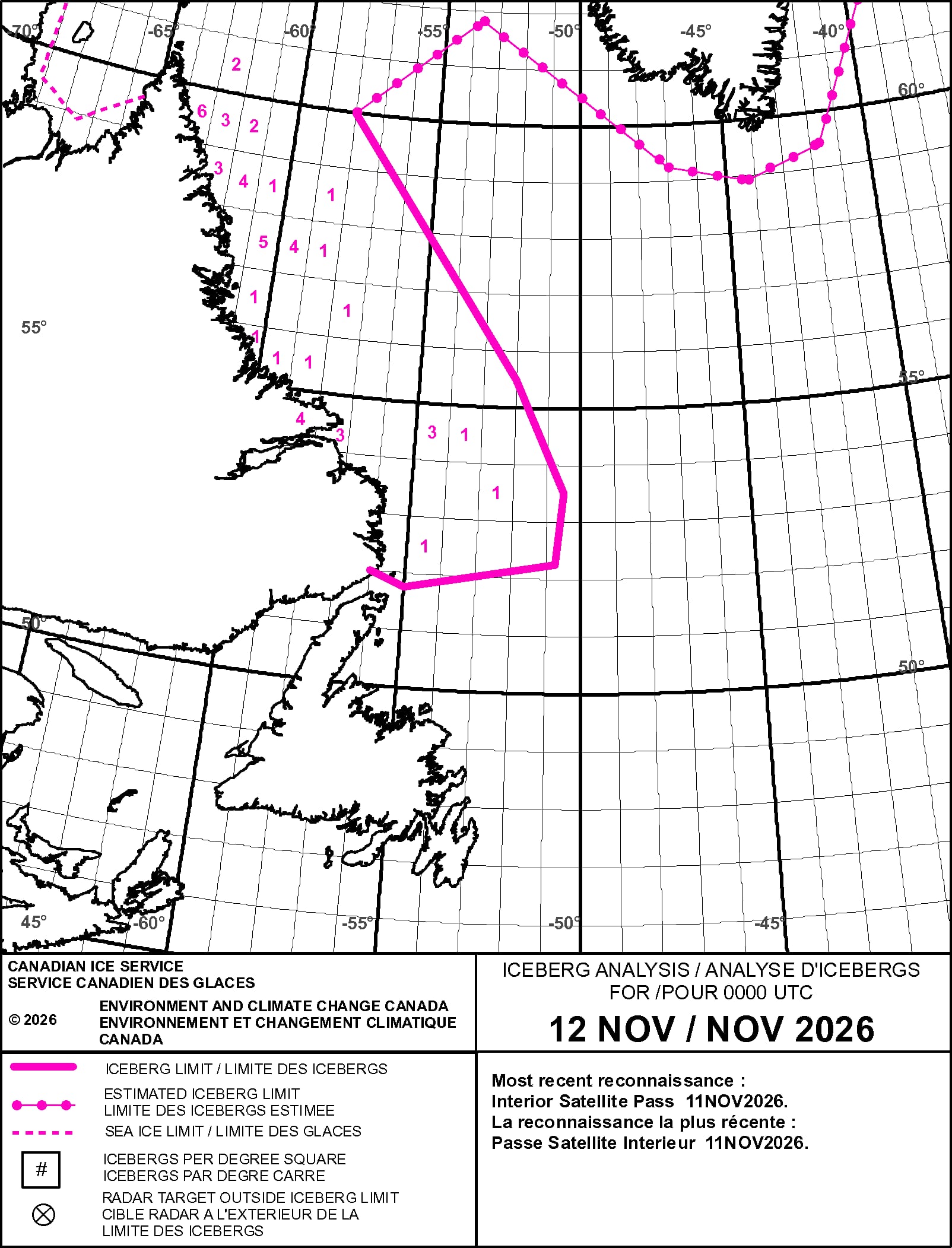
Sea-ice charts and iceberg charts answer different questions. Sea-ice products describe the ice cover, including its amount and type. Canadian iceberg charts estimate conditions from reports and other observations. A forecast position is an estimate for a stated time, so it should travel with that time and its source.
You bring those charts together with local watch reports and the positions of support vessels. A fresh sighting can change the picture near the site even when a regional chart has not changed. Your update needs to show what was observed, what was forecast, and which details remain uncertain.
For example, a watch report may put ice closer to a vessel's planned route. You pass the change to the marine and site leads under the ice plan. The vessel master is still in charge of the ship. The site names who can decide to change its work. You keep those teams working from the same current report.
Ice Management Coordinator Training for Offshore Work
Marine watchkeeping, ice observation, or offshore support experience can help you enter the role. Build skill in chart interpretation, position data, and concise reports. The last may call for marine qualifications that a desk role does not.
Challenges of Offshore Work for Ice Management Coordinators
Fog, snow and darkness can cut visibility. A new report may change the picture quickly. The crew needs a clear time and location for each sighting so it can tell whether the ice is moving toward the site.
Reports can have different ages and levels of detail. A large-scale chart does not replace a close watch near the site. Long watches and uncertain conditions also make it important to hand over the basis for an update, as well as the position shown.
Perks of Offshore Work for Ice Management Coordinators
You work with changing marine information and see how it affects real operations. The post can suit someone who enjoys observation and chart work. It can also build useful experience for marine planning or specialist ice services.