What Does a Permafrost Specialist Do?
A permafrost specialist studies ground that stays at or below 0°C (32°F) for at least two years. In oil and gas, you help teams see where ice in soil might thaw under a road, pipe, or building. Your findings can shape the route, the type of support, and what crews need to check later.
Permafrost Specialist Duties in Oil and Gas
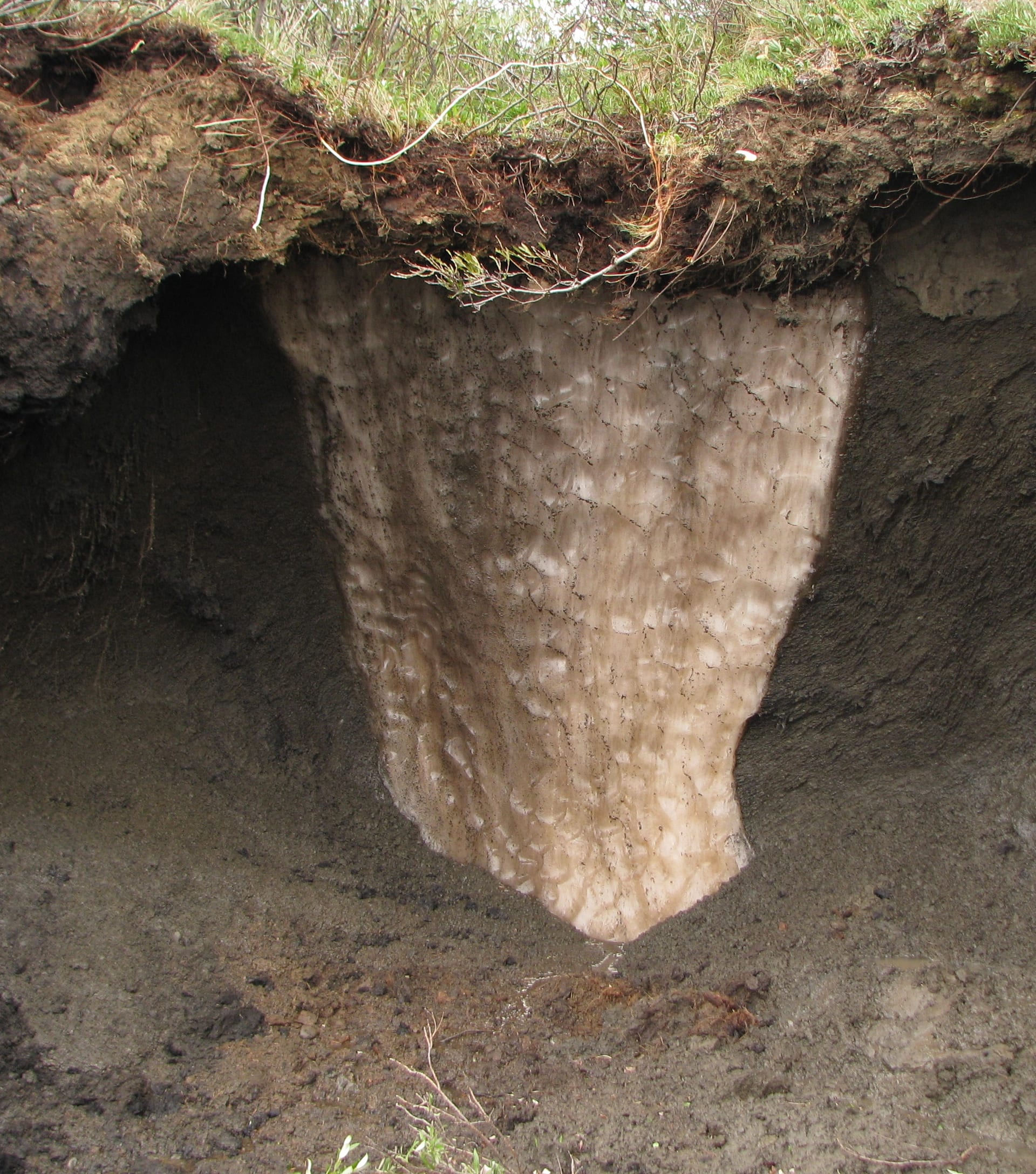
The specialist combines ground samples, temperature records and site observations. The surface layer can freeze and thaw each year while colder ground remains below it. The amount and location of ground ice matter because thawing ice-rich soil can lead to settlement. One borehole or winter visit may not describe a whole route.
A geotechnical engineer uses those findings when reviewing foundations or access routes. The specialist describes where the evidence is strong and where the project needs more tests. Ground records need dates, depths and sensor details. Those let a later team compare new results with the old ones.
An Arctic operations engineer helps plan field work and access. An ice management coordinator may cover surface ice on part of a route. Frozen ground and an ice crossing need different assessments. The specialist supplies ground evidence within the team’s design and approval process.
Permafrost Specialist Training and Career Path
Geology, earth science or geotechnical engineering can provide a route. Learn soil and ground-ice records, temperature instruments and how surveys describe a site. Field assistants may collect data under an experienced specialist. Design approval depends on professional scope and local rules. Employers also provide the training needed for remote work and their own monitoring equipment.
Challenges of Working as a Permafrost Specialist
Conditions can change over a short distance and through the seasons. Snow, water and site disturbance can affect the ground’s heat. The specialist needs enough records to separate a short-term change from a longer trend. Remote travel and seasonal access can make repeat visits expensive or difficult to arrange.
Perks of Working as a Permafrost Specialist
You connect field science with practical questions about roads, pipelines and buildings. A long monitoring record can show how a design performs over time. The skills are also useful in northern utilities, transport projects and research.