What Does an ILI Engineer Do on a Pipeline Inspection?
An ILI engineer plans inspections that use a tool to travel inside a pipeline. ILI stands for in-line inspection. The engineer helps pick a tool that fits the pipe and can look for the damage the operator is concerned about. They review the run and what the data can show.
How ILI Engineers Match Pipeline Inspection Tools and Review Run Quality
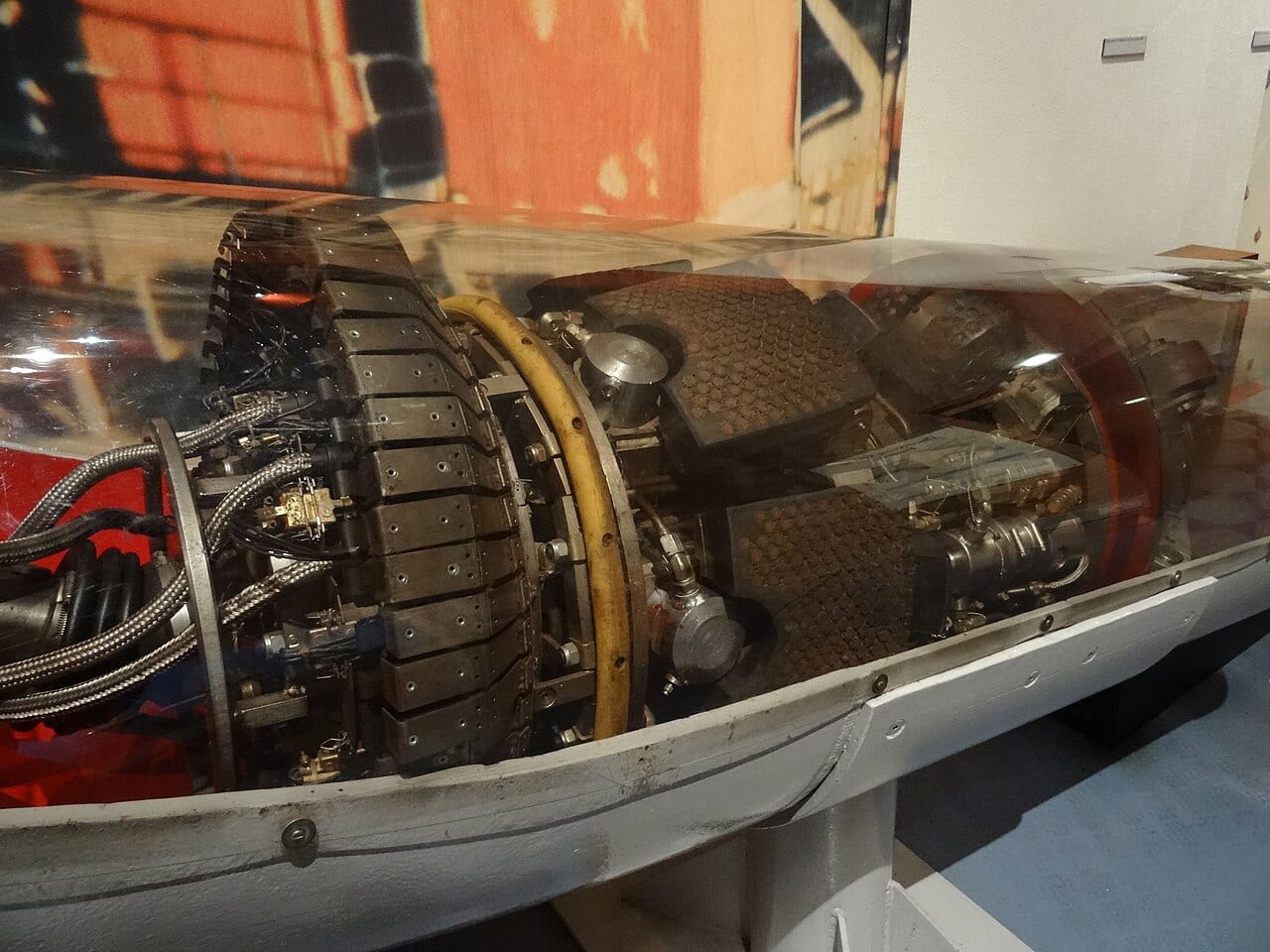
The engineer matches an in-line inspection tool with the pipeline and the threat being studied. Pipe size, bends, valves and access affect whether the tool can travel through the line. A tool for dents can differ from one for cracks or metal loss.
They review the planned run with the operator, tool team and field crew. The plan needs a clear record of line conditions and the data quality required. Launching and retrieving the tool are assigned field tasks; the engineer helps resolve technical interfaces and changes in the plan.
After the run, they review coverage and parts of the record that may be incomplete. An ILI analyst studies the signals. The engineer and integrity team check what the findings can support and whether field checks are needed. A completed run does not prove the tool found every possible defect.
Engineering and Tool Training for ILI Work
Mechanical or materials engineering can suit design and assessment posts. Related inspection or tool experience can lead to other ILI roles. Learn pipeline geometry, tool limits and how the data are checked.
Employers teach their inspection systems and run-quality records. Professional engineering work needs the relevant local review and authority. Field tasks have separate training requirements.
Challenges of Planning In-Line Pipeline Inspections
An old drawing can miss a fitting or a change in pipe size. Product flow and station access can also limit the run window. Gaps in the data may require extra checks or another run. Travel plans can change when a client’s operating schedule moves.
Perks of Working as an ILI Engineer
You learn how a tool’s design shapes the evidence it can collect. The work joins field runs, data and later integrity decisions. It can lead toward tool expertise, service engineering or wider pipeline work. The amount of travel differs greatly between supplier and operator posts.