What Does an In Situ Operations Engineer Do?
An in situ operations engineer helps run an oil sands site that brings oil to the surface through wells. Many sites use steam to warm heavy oil in the ground. You work with crews to check the wells, steam supply, and water system when something limits how much the site can produce.
In Situ Operations Engineer Duties in Oil and Gas
The engineer checks oil output, steam use and well results against the current plan. In steam-assisted gravity drainage, or SAGD, the injection well and production well work as a pair. A SAGD operator supplies field observations. A SAGD reservoir engineer helps explain what may be happening in the reservoir.
The work can include well tests, pump performance and plans for new pads. The engineer checks the data before comparing one period with another. A change in oil rate might reflect the well, a measurement problem or a plant limit. The review needs to connect those possibilities with evidence from the well and facilities teams.
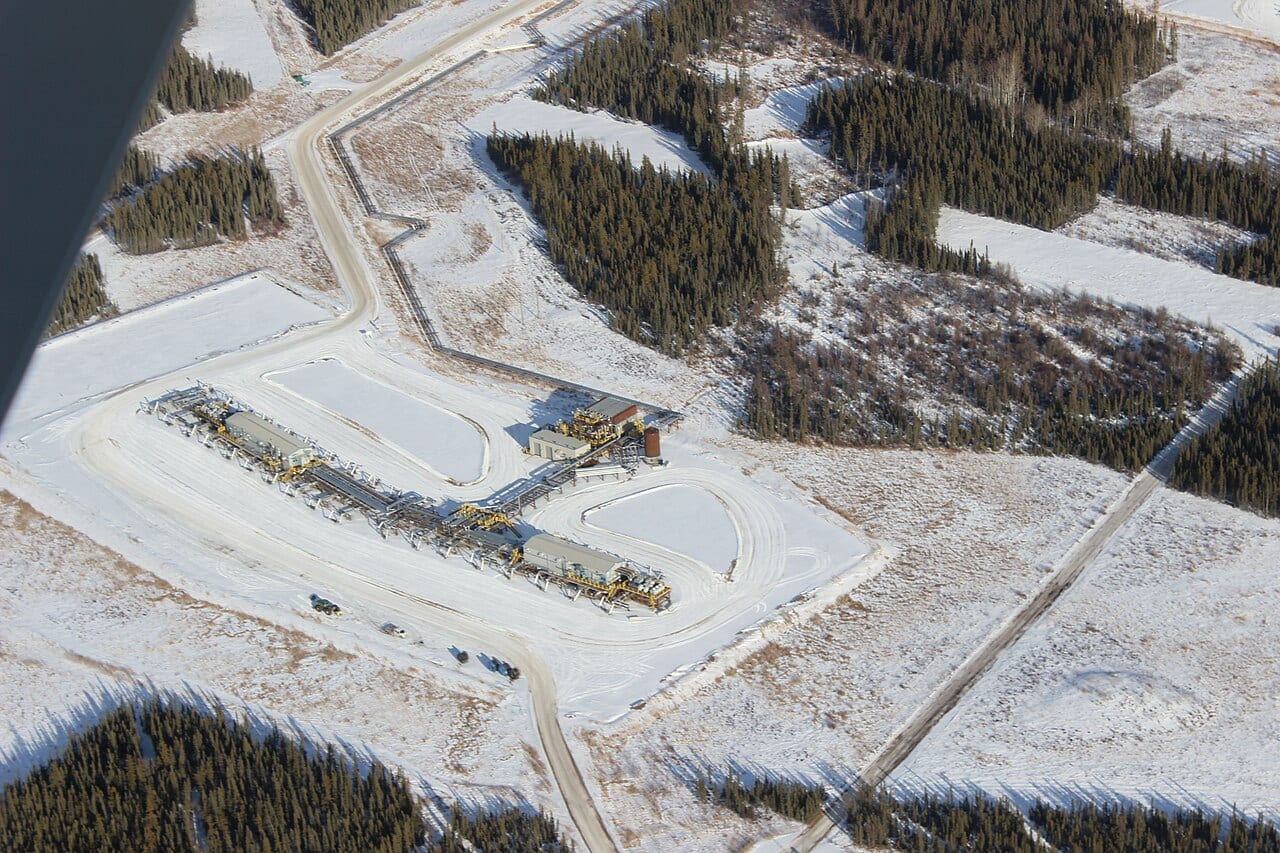
At a thermal recovery site, steam and water treatment link the pads to the plant. Produced water can be treated for reuse. The engineer works within the site’s facility constraints when proposing changes. The field crew works to approved plans and instructions. Proposed changes from the study need the right review first.
In Situ Operations Engineer Training and Career Path
Petroleum, chemical or mechanical engineering can provide a route. Learn thermal-well behaviour, artificial lift and the plant’s heat and water systems. Employers teach their data tools and site practices. Engineering work in Alberta needs the required professional oversight. Some senior posts also accept an experienced engineering technologist.
Challenges of Working as an In Situ Operations Engineer
Better well performance may need more steam or water treatment than the plant can supply. A pump fault can also look like a reservoir change until the records are checked. The engineer must work across those limits. Field-support roles can involve site visits, call-outs and travel when a well or unit needs attention.
Perks of Working as an In Situ Operations Engineer
You can trace a question from a well pad through the plant and back into a production plan. Operators’ observations can quickly test whether an office assumption fits the field. The work builds knowledge useful in thermal production, well performance or operating support.