What Does a SAGD Operator Do?
A SAGD operator runs equipment that uses steam to help move thick oil from deep in the ground. SAGD stands for steam-assisted gravity drainage. An operator may work with steam, wells or the plant that treats the fluids the wells bring back. They check readings and report changes during a shift.
How SAGD Operators Work with Steam, Wells and Water
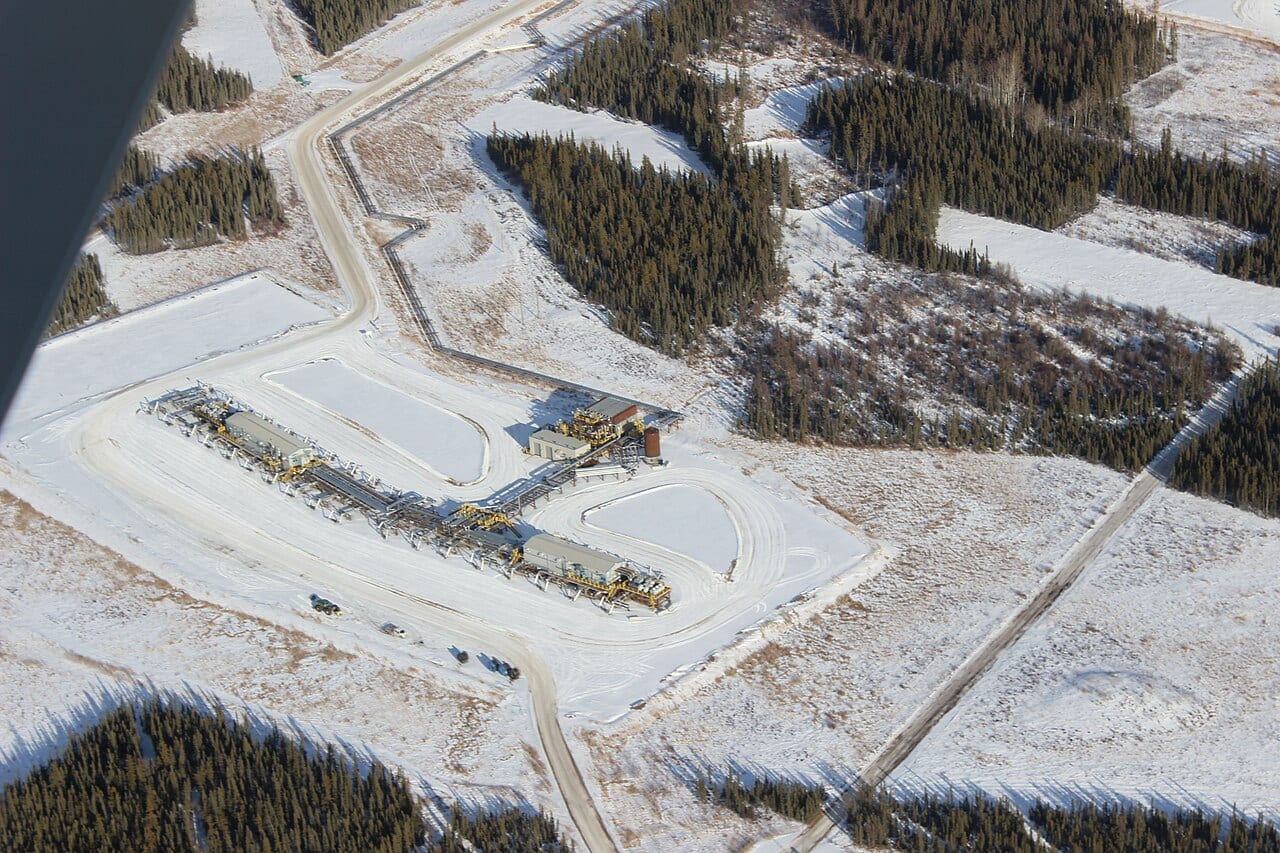
Steam-assisted gravity drainage, or SAGD, uses heat to help thick oil flow to a production well. Operators may work with wells, steam generation, water treatment or oil treatment. A worker trained on one unit is not automatically qualified on all of them.
Make rounds and check trends against the site’s plan. Sampling, volume balances and shift logs help the team spot a change and trace when it began. Work with console staff and maintenance crews when equipment needs attention. Keep permits and equipment status clear for the next shift.
A treater operator can focus on separating oil and water. A SAGD reservoir engineer studies the wells and heated rock. Operators supply field evidence, while engineers assess changes through the site’s review process. The role differs from an upgrader operator changing the oil after production.
SAGD Operator Wages and Job Outlook
Alberta’s wider oil, gas and chemical process operator group earned CAD 32.00–72.12 per hour in 2023–2024. This broad comparison includes more than SAGD. A U.S. refinery wage survey does not establish pay for a Canadian thermal plant.
Canada projects 4,100 openings in its wider process group for 2026–2035. About 3,200 are due to retirement. That is a mixed plant forecast, not growth in SAGD alone. Camp, travel and overtime terms can also change the value of an offer.
SAGD Operator Training for Oil Sands Work
Process or thermal plant experience can help. Cenovus’s 2026 Edam East SAGD plant post asks for a 3rd Class Power Engineering certificate, with 2nd Class preferred. The example is in Saskatchewan and covers steam and process work. Other duties and provinces can set different requirements.
Employers teach unit procedures and assess staff before they work without supervision. Hot fluids, pressure and site gases need the appropriate controls and training.
Challenges of Oil Sands Work for SAGD Operators
Northern weather, nights and long shifts can make recovery difficult. A camp job adds time away from family; a local post can add a daily rural drive. Linked steam, water and oil units also mean one equipment problem can affect several teams.
Perks of Oil Sands Work for SAGD Operators
You learn how wells, heat and water handling work together. Training on more than one unit can support console or lead roles. Progress depends on demonstrated knowledge of the new area, rather than simply completing another rotation.