What Does an Upgrader Operator Do in the Oil Sands?
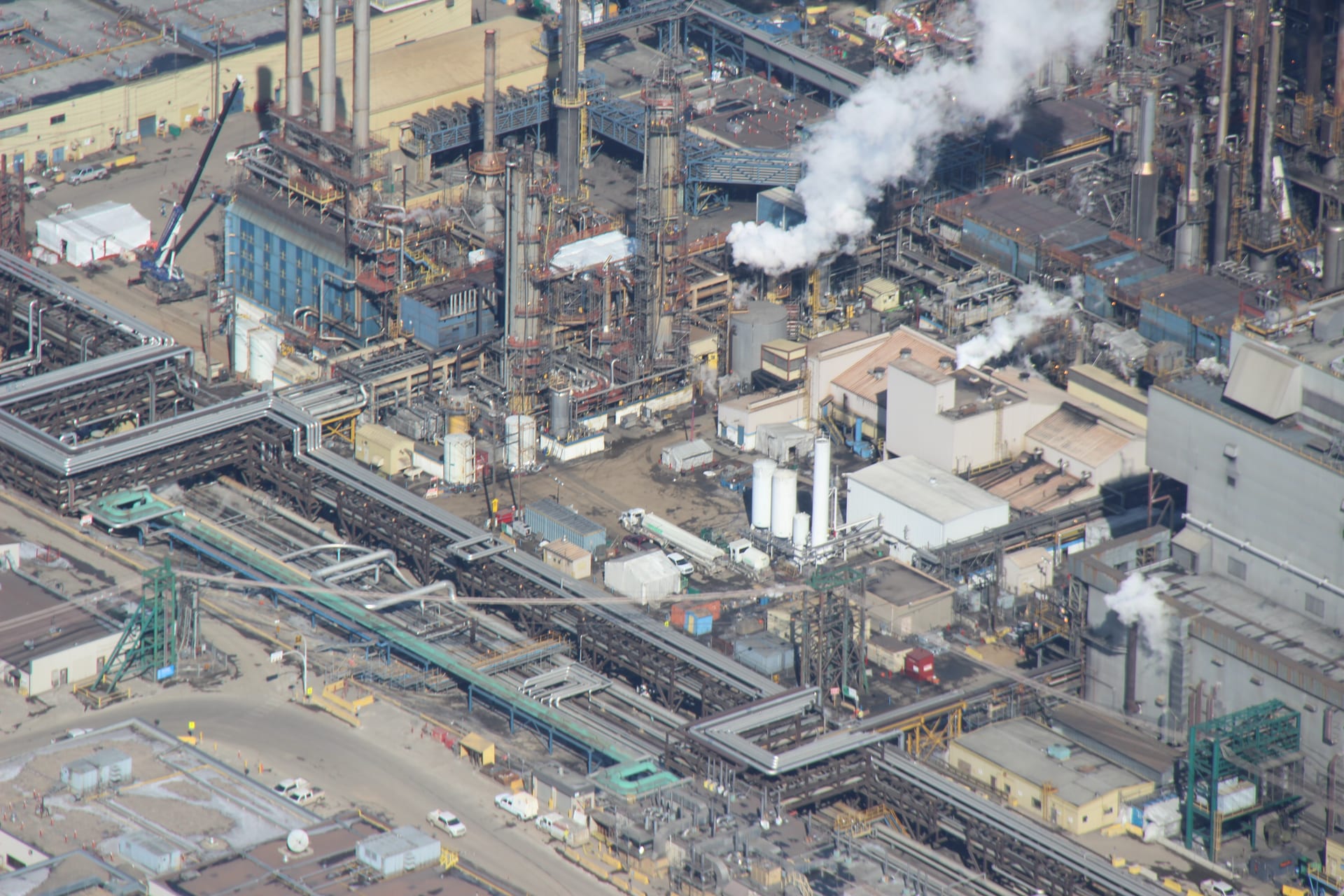
An upgrader operator runs gear that turns thick oil from the oil sands into lighter streams. They check the unit and take samples. Some crews work on a unit that breaks up heavy oil. Others help take sulphur out of it before it goes to the next step.
How Upgrader Operators Track Bitumen and Product Quality
An upgrader changes heavy bitumen into lighter oil streams that can go to a refinery. The exact job depends on the unit. Some operators work with cracking or hydrogen treatment; others support utilities or product movement. Upgrading differs from mining the ore or producing oil through wells.
Make rounds, check trends and keep area logs clear. Samples help the crew check product quality against the plan. Work with console staff to assess changes, then prepare equipment for maintenance through the site’s approved controls. A job can include both field and control-room training.
The extraction operator works on separating bitumen from mined material. A SAGD operator works with a thermal production system. The roles share some plant skills. They use different equipment too. Each upgrader unit still needs its own training.
Upgrader Operator Wages and Job Outlook
Alberta’s broader oil, gas and chemical process operator range was CAD 32.00–72.12 per hour in 2023–2024. U.S. refinery operators, petroleum pump operators and gaugers had a middle-80% range of USD 27.46–55.71 per hour in May 2025. The U.S. figure is a refinery comparison, not an oil-sands upgrader scale.
Canada projects 4,100 openings in its wider process group for 2026–2035. About 3,200 are due to retirement. The figures include other plants and replacement needs.
Upgrader Operator Training for Oil Sands Work
Process study and related plant experience can help. Suncor’s 2026 Base Plant upgrading trainee post asked for a 3rd Class Power Engineering certificate. It also asked for plant experience. Trainee in that title did not mean no previous training. Other posts can set different entry requirements.
Learn the unit’s permits, emergency plan and energy controls. Gas, hot equipment and pressure hazards depend on the area. The employer must check readiness before assigning a worker to a unit. A general oilfield safety course does not replace plant qualification.
Challenges of Oil Sands Work for Upgrader Operators
Units are linked, so a problem in one area can change work elsewhere. Outdoor rounds continue through northern weather, and rotating days and nights affect sleep. Some jobs are based near town while others use camp or travel.
Perks of Oil Sands Work for Upgrader Operators
You learn how a large plant changes heavy oil into a usable feedstock. With training, experience can support another unit, console work or operator development.