What Does an Oil and Gas Land Administrator Do?
An oil and gas land administrator keeps a firm's land and lease files current. They track key dates, terms, and changes in who holds rights. The job can cover both mineral and surface records. The administrator helps staff find the right file before the company makes a change or starts work.
Land Administrator Duties on Oil and Gas Rights and Leases
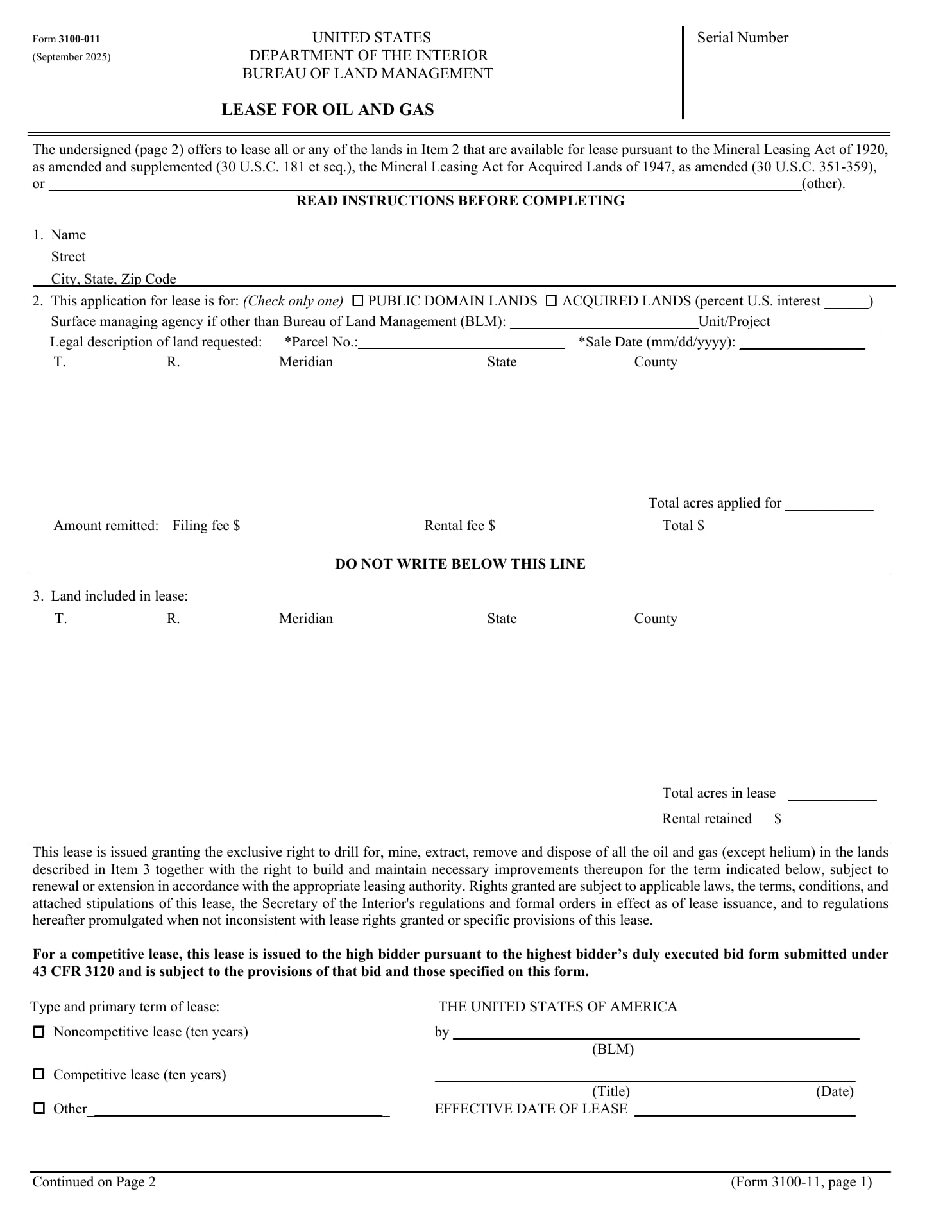
An oil and gas lease can have a primary term, rental dates and other actions to track. The administrator keeps the source documents and flags the next step to its owner. A transfer or new agreement can affect more than one record and several teams.
Mineral and surface files answer different questions about rights and access. The work may include payments, correspondence and records needed for a licence or project review. A lease records analyst focuses on the system data. A title examiner helps resolve ownership questions. The administrator coordinates the records and due dates within the role’s approval limits.
Training for Oil and Gas Land Administrators
Land, energy asset management or legal office work can provide a route. Learn the agreements used in the employer’s area. Alberta training can cover mineral land, surface land and joint-venture work, but a post may specialise in one. Employers teach their records systems. Unclear legal terms need review by the relevant specialist.
Challenges of Tracking Oil and Gas Land Agreements
One deal can change many files just before a deadline. A missing signed record can leave the team unsure which terms apply. Keep the source, due date and next owner clear enough for someone else to pick up. A reminder alone is not proof that an action was completed.
Perks of Working as an Oil and Gas Land Administrator
You see how agreements support wells, facilities and land access over time. The work builds knowledge useful in mineral, surface or deal support. It may suit someone who likes following a file through to a clear, recorded outcome.