What Does an Oil and Gas Title Examiner Do?
An oil and gas title examiner checks records to find out who holds rights to land or minerals. They trace sales, transfers, and other changes that affect those rights. If a record is missing or two records disagree, the examiner flags the issue for the land or legal team.
Title Examiner Duties on Oil and Gas Ownership Records
Trace the chain of owners through the recorded deeds and other files. Match deeds, leases and estate records to the right parcel or mineral interest. Check each change of owner. The report shows which records were checked. It lists the interests found and any gaps that need more work. The aim is a clear record another reviewer can follow.
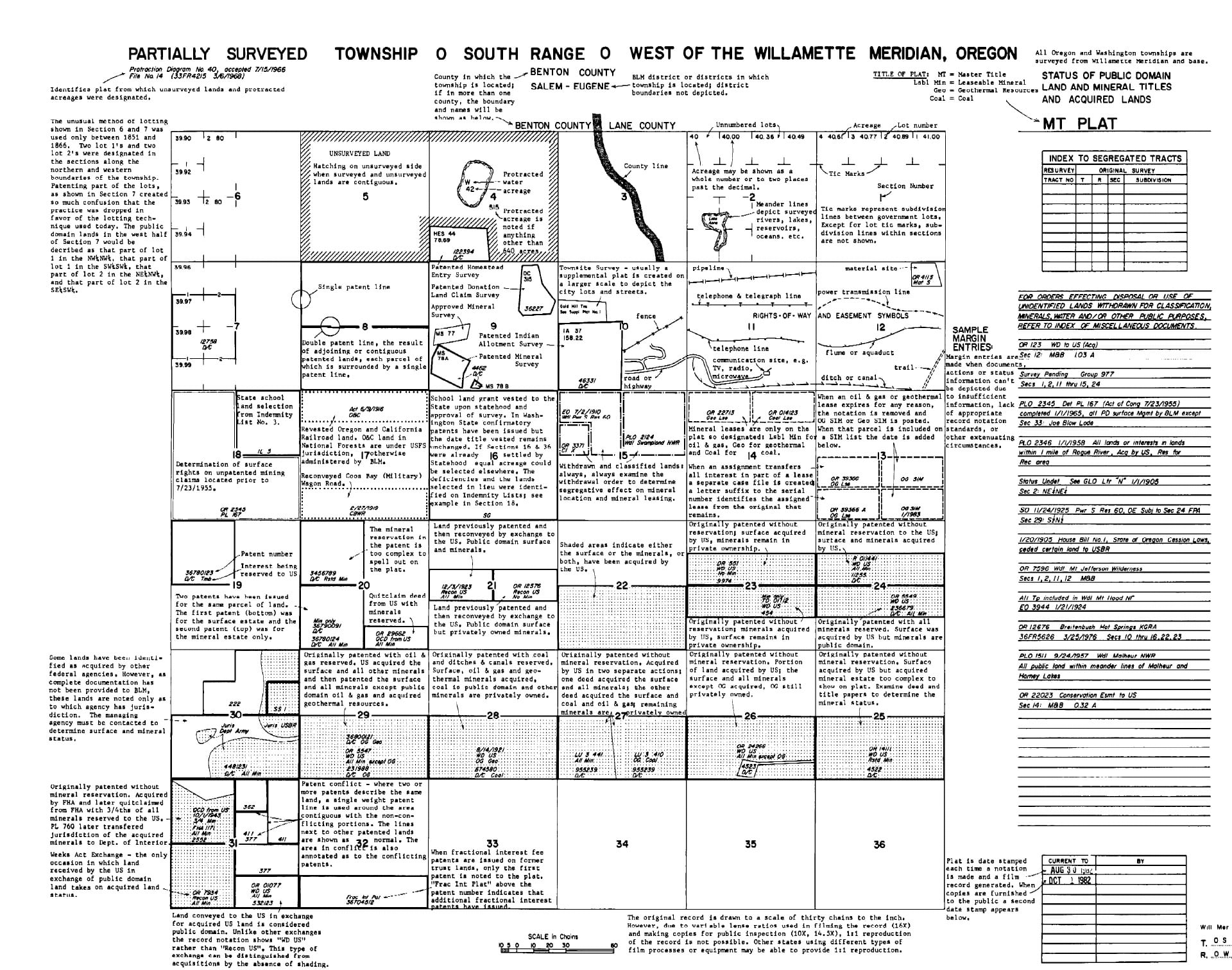
Oil and gas work may involve separate surface and mineral rights. Check how a lease or transfer affects the interest under review. Do not assume the surface owner owns the minerals. They may prepare an ownership summary for a landman or support a division order analyst who needs the ownership record for payments.
An estate may still be open, a transfer missing or a legal description unclear. Put each gap on the issue list. Land and legal staff decide what further documents or legal review are needed. A search report supports that work. A legal title opinion is a separate service. The exact split depends on the employer and jurisdiction.
Oil and Gas Title Examiner Wages and Job Outlook
For context, Alberta’s wider paralegal group earned CAD 25.96 to 55.00 per hour. Job Bank’s data cover 2023–2024. ALIS groups land-titles analysis with paralegal work. That is broader than an oil-and-gas mineral-title job. U.S. title examiners and search staff earned USD 18.35 to 43.67 per hour in May 2025. The range covers the middle 80% across industries.
Canada projects 17,800 openings in the wider paralegal group in 2026–2035, including 9,600 from retirements. These are not mineral-title vacancies.
Training for Oil and Gas Title Examiners
Studies in paralegal work, land records or property can help. Learn legal descriptions, document indexing and how to keep a search trail. Entry routes differ between a provincial land registry, a law firm and an upstream land team.
ALIS describes employer training for Alberta land-titles analysts. Its registry career path is one example, not a required six-month internship for every oilfield examiner. Surface-access talks and legal advice can have separate licence rules.
Challenges of Tracing Oil and Gas Ownership
Older records may use names, parcel descriptions or scans that are hard to read. One missed transfer can change the ownership report. Some records in a large file may affect only part of the land. The work takes long periods of close attention. Deal deadlines can add pressure before every gap has been resolved.
Perks of Working as an Oil and Gas Title Examiner
The role offers focused research with a clear result: a supported record of who holds which interest. It can build useful skills for land records, deal reviews or ownership work. Some jobs are largely office-based; others need courthouse or registry visits.