What Does a Life Support Technician Do in Saturation Diving?
A life support technician helps run the chambers where offshore divers live between dives. The crew checks the breathing gas, pressure, and heat inside. A technician keeps records and tells the shift lead if anything changes. The job is based on the vessel or rig that supports the dive.
How Life Support Technicians Keep an Offshore Chamber Watch
You work with the surface crew that supports saturation divers. Divers live under pressure in chambers between dives. The watch follows chamber conditions and keeps records. Pass any changes to the shift lead. The role requires steady attention even while the divers are resting.
At handover, cover who is in the system and the current readings. Note any open equipment or welfare concerns. Follow the diving firm’s procedures within your assessed skill level. Bring the right people in for equipment work or changes to the dive plan. A saturation diving supervisor has separate responsibility for the diving operation.
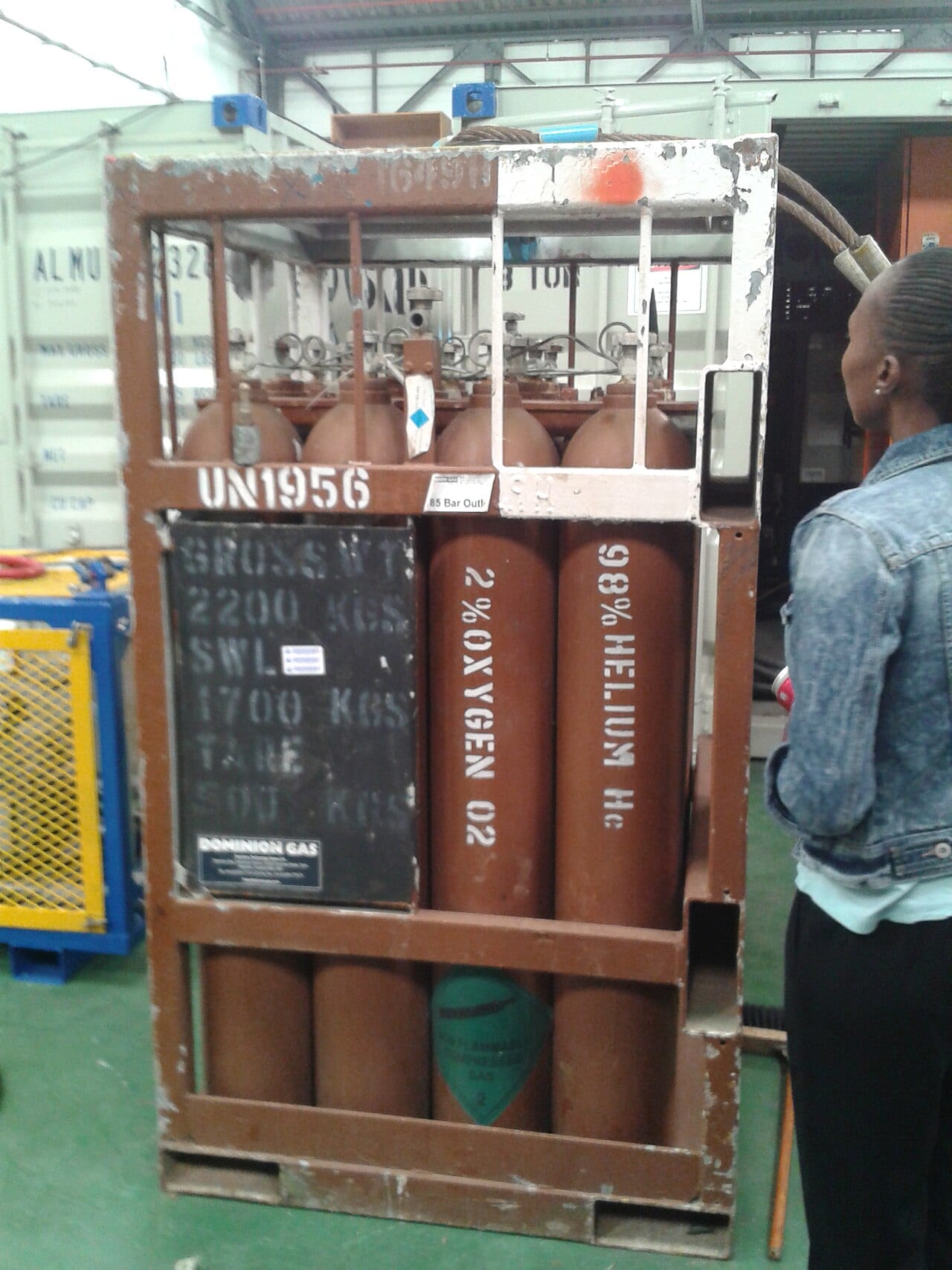
Chamber Operator and Panel Operator in Saturation Diving
Some offshore crews use chamber operator or panel operator for a life support technician. A hospital or a dive site with a deck decompression chamber can also use the term chamber operator for different work.
Training for Offshore Life Support Technicians
The IMCA route starts with an approved course and supervised time as an assistant. You then need company support and the final written exam. Passing the course alone does not make you a certified life support technician. Keep the work log and records your sponsor needs to apply.
Offshore medical and survival rules depend on the region and job. A clinical life-support or first-aid ticket is a different qualification.
Challenges of Life Support Work on an Offshore Dive Crew
The watch continues while divers live in the system, including nights and periods when activity is low. Long hitches can mean weeks away from home and a small working group with little privacy. Shift handovers need close attention. A vessel delay may also extend the time away beyond the planned rotation.
Perks of Supporting Saturation Divers Offshore
You can build focused technical skills with a small offshore team. The work suits people who like careful records and a steady watch more than constant physical activity. More experience and assessment can lead toward life support supervision.