What Does a Saturation Diver Do Offshore?
A saturation diver lives in a chamber under pressure on a dive ship. A closed bell takes the diver down to the work site. The diver stays under pressure between trips. The crew may use this kind of diving for deep work on pipes, valves and other gear on the seabed.
How Saturation Divers Work With Bells, Living Systems and Dive Teams
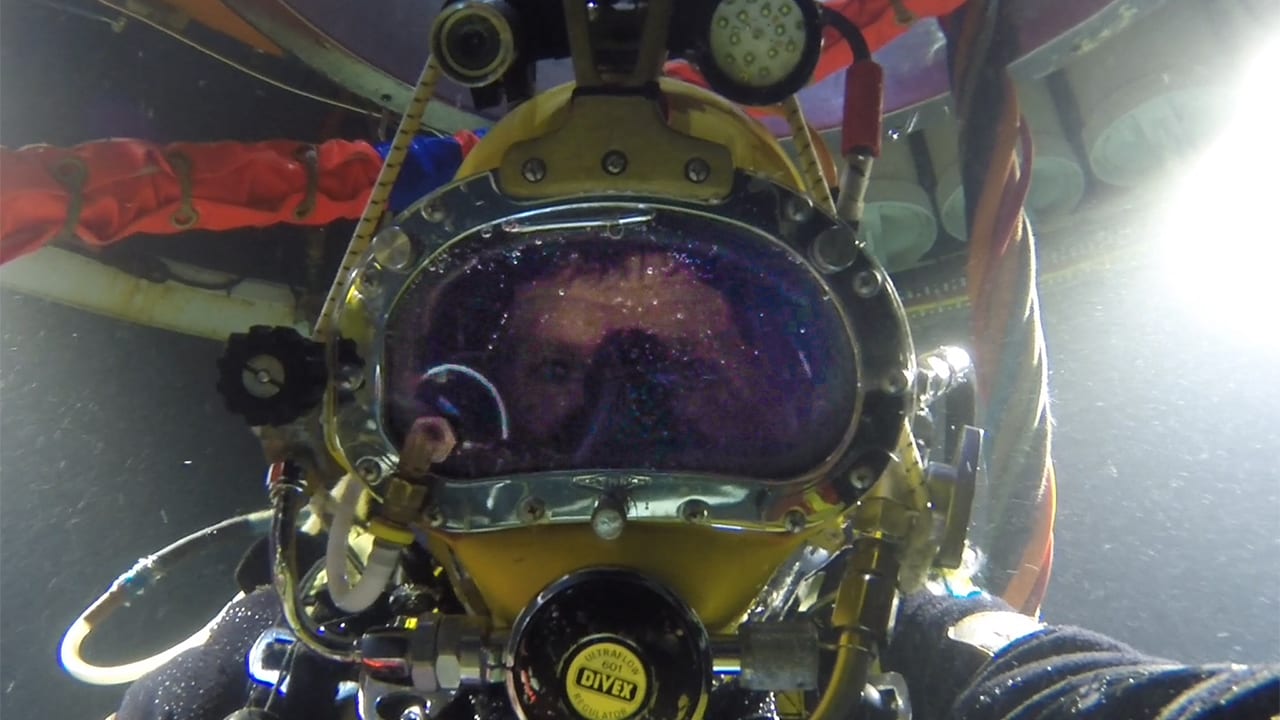
The diver works from a living system kept under pressure. A closed bell takes the team to the job. The team stays under pressure between work periods. The bell is a chamber that moves between the living system and water. Some offshore tasks suit this setup better than repeated separate dives. It is a specialist commercial-diving role, not a first step from recreational scuba.
They carry out the assigned construction, inspection or repair task. A saturation diving supervisor directs the dive team. The work needs clear reports, suitable tools and an accurate record of what was completed underwater.
A life support technician helps maintain and monitor the living system. The diver’s work and rest fit the team’s planned routine. Living under pressure continues between underwater shifts, so welfare, communication and handover needs extend beyond the time spent at the worksite.
What to Compare in Saturation Diver Pay
Canada’s wider technical-trades group includes commercial divers and other trades. Its national range was CAD 21.63 to 47.85 per hour. Job Bank’s data covers 2023–2024. U.S. commercial divers earned USD 20.83 to 75.86 per hour for the middle 80% in May 2025, including inshore work.
Closed Bell Training for Experienced Commercial Divers
You build on commercial-diving training and experience. You need accepted closed-bell or saturation training for the work. You must also meet the relevant medical standard. HSE, for example, has a distinct closed-bell qualification for covered U.K. work.
Canadian and U.S. assignments need their applicable training and task skills. The employer provides system and training for the project. Welding or specialist inspection needs further skills. Check the accepted certificate and experience route. A general diver course may not be enough.
Challenges of Working as a Saturation Diver Offshore
Shared living space and separation from home can be difficult during a long campaign. The diver cannot simply leave the pressure system at the end of a shift. Weather and vessel schedules can also change the job. The role demands team discipline, medical fitness and careful attention to rest and welfare.
Perks of Working as a Saturation Diver
You can develop a high level of commercial-diving experience with a closely coordinated team. Projects combine practical tasks with specialist support systems. Career routes may include supervision where qualifications and experience allow.