What Does a Mainline Welder Do?
A mainline welder joins pipe along the main route of a pipeline. They work with other welders and the crew that lines up the pipe. The work often repeats from joint to joint, but each weld still needs to meet the plan and pass the checks for that project.
How Mainline Welders Work Along a Pipeline Route
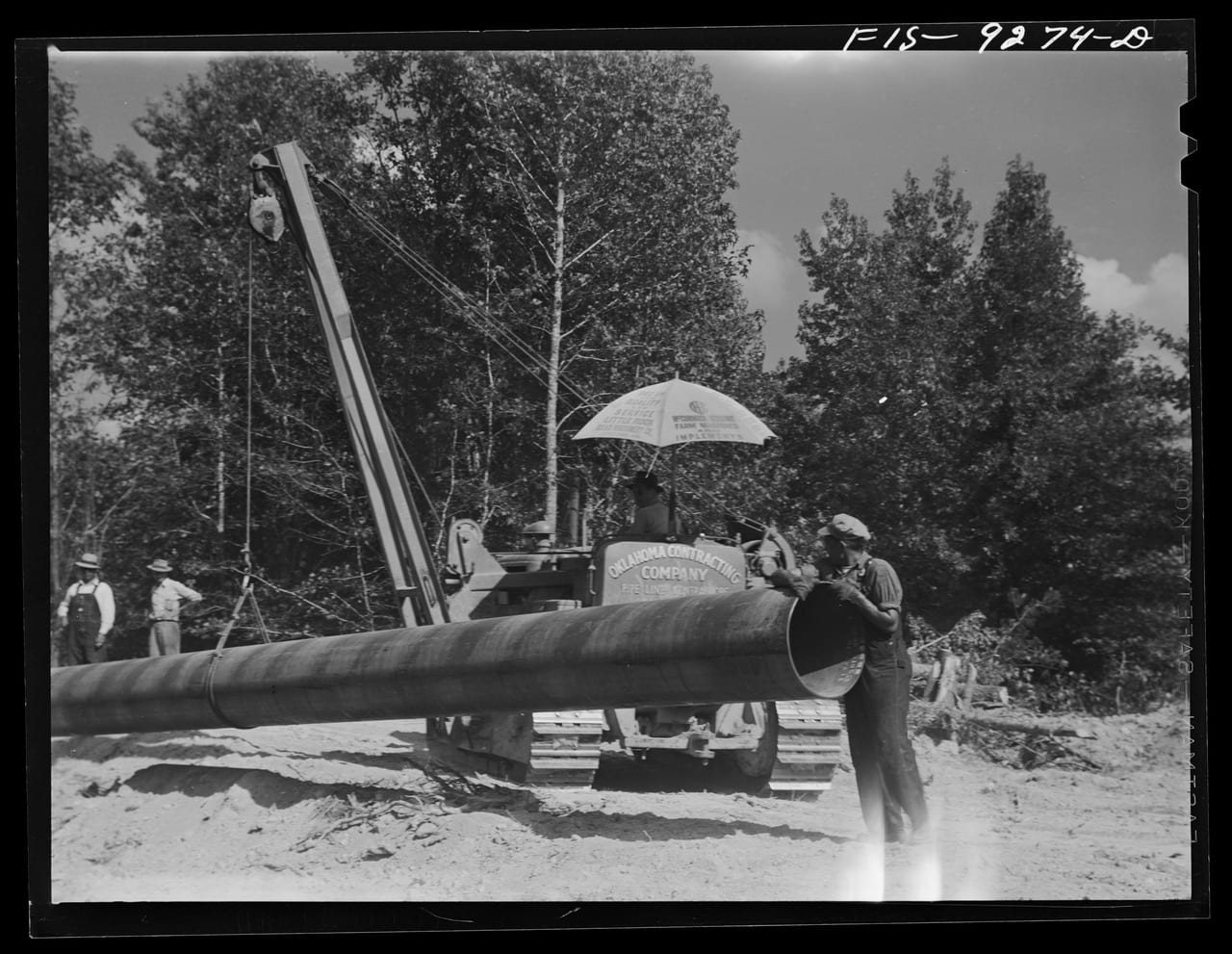
Mainline work moves along the route of a pipeline. Welders join the long runs of pipe using the process and written weld procedure chosen for the project. Some crews use manual welding; others use mechanized equipment. The job may cover a set part of each weld rather than every pass.
Work with the pipe crew to keep joint numbers and weld records clear. An NDT technician checks welds without cutting the finished line apart. If a weld needs repair, the crew needs the right joint record and approved repair plan. Mainline, tie-in and maintenance jobs can have different duties and agreement terms.
Mainline Welder Wages and Job Outlook
The Canadian UA mainline agreement lists CAD 79.49 per hour for a welder journeyman in Western Canada from May 1, 2025. That version leaves the 2026 rate to be set, so it is a dated agreement example. Obtain the updated schedule for a current offer.
For June 1, 2026 to May 30, 2027, the U.S. PLCA–UA mainline agreement lists journeyman base rates from USD 55.00 to 60.89 per hour across its listed states and areas. Special-work terms can change the applicable rate. Benefits, welding rig costs and per diem are separate from base pay.
Mainline Welder Training for Pipeline Construction Work
A welding apprenticeship or trade route builds the core skill. Pipeline contractors can also require a test for the project’s welding process. A ticket for one process or position does not prove qualification for every pipeline weld. Keep a record of relevant tests and recent work.
Site orientation covers the project’s hot-work controls, traffic and moving equipment. Welding fumes, arc exposure and remote access need controls suited to the work. These requirements sit alongside the weld test; passing it does not replace site training.
Challenges of Pipeline Construction Work for Mainline Welders
The work front moves, and the next job may be far from home. Mud, cold, heat and restricted access can affect both progress and travel. Long shifts need steady attention even when the same joint work repeats. A high hourly rate does not guarantee work between projects.
Perks of Pipeline Construction Work for Mainline Welders
You can build a clear record of work on major pipeline projects. Experience may lead to tie-in work, crew supervision or inspection with further training. Some people prefer moving construction work to a fixed shop, provided the travel and gaps between jobs fit their plans.