What Does an NDT Technician Do in Oil and Gas?
An NDT technician checks welds, pipes and other parts for damage. The tests leave the parts whole. NDT is short for nondestructive testing. On an oil and gas site, the technician follows a test plan, writes down what they find and tells the crew what needs a closer look.
How NDT Technicians Check Welds and Equipment
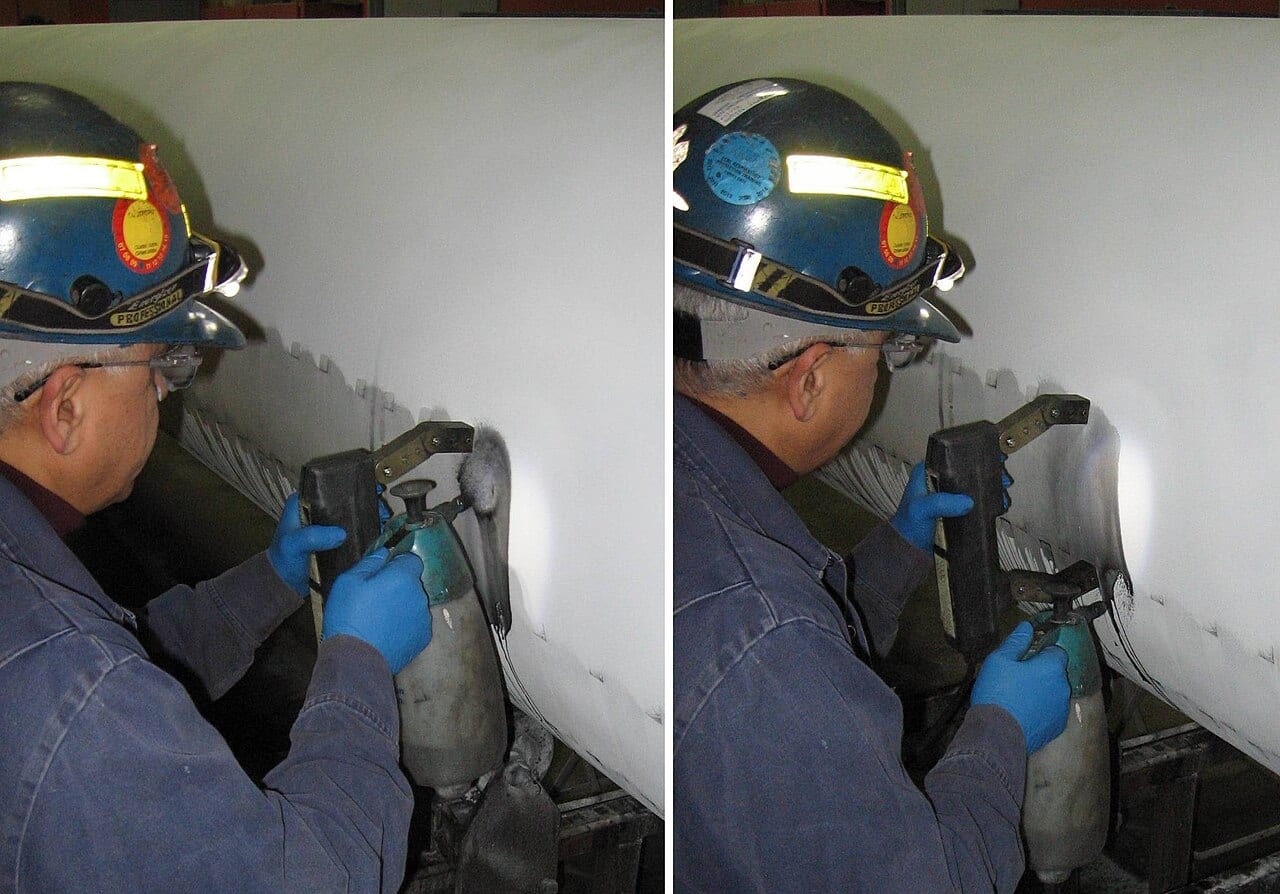
Examine materials and equipment without cutting them apart. NDT methods include ultrasound, radiography and surface testing, each with its own purpose and limits. Start with the component identity, procedure and area to be examined. A result needs to be tied to the right part and method.
Perform tests within the method and level held, then record and evaluate results as authorized. An ultrasonic technician uses sound. An industrial radiographer uses a different imaging method. One method may find something another cannot. A clear report explains the coverage and limits, not just pass or fail.
Work with inspectors and engineers on findings that need further review. Keep equipment checks and test records traceable. An NDT trainee learns under qualified supervision. Testing a component does not by itself give authority to redesign it or return a plant to service.
NDT Technician Wages and Job Outlook
Alberta’s broader NDT and inspection group earned CAD 22.00 to 55.00 per hour. Job Bank’s data covers 2023–2024.
U.S. data groups NDT workers with other engineering technicians. The middle 80% of that wider group earned USD 22.61 to 56.89 per hour in May 2025. This is a broad comparison, not a method-specific wage.
Canada projects about 4,600 openings for the whole NDT group in 2026–2035. About 2,700 could come from retirements.
NDT Training and Certification in Canada and the U.S.
Canada’s NRCan route includes method training and exams. It also needs a vision check and qualifying work experience. Certification is specific to a method and level. A course completion document is only part of the evidence needed.
In the U.S., employer-based systems may follow SNT-TC-1A or other specified schemes. ASNT’s June 2026 advisory makes clear that a school cannot independently issue an employer’s SNT-TC-1A certification. Site training and practical approval remain part of the assignment.
Challenges of Working as an NDT Technician in the Field
Access, surface condition and component shape can limit a test. A signal needs context before it is called a defect. The technician must record uncertainty and seek review when a result falls outside their scope.
Work may be in a shop, a plant outage or a remote field location. Travel and night shifts vary by contract.
Perks of Working as an NDT Technician
You can build a practical technical skill and see how evidence helps decisions about real equipment. The work offers several methods and industries to specialize in. Each added method needs its own training and experience rather than a single all-purpose ticket.