What Does an Ultrasonic Technician Do on Oil and Gas Equipment?
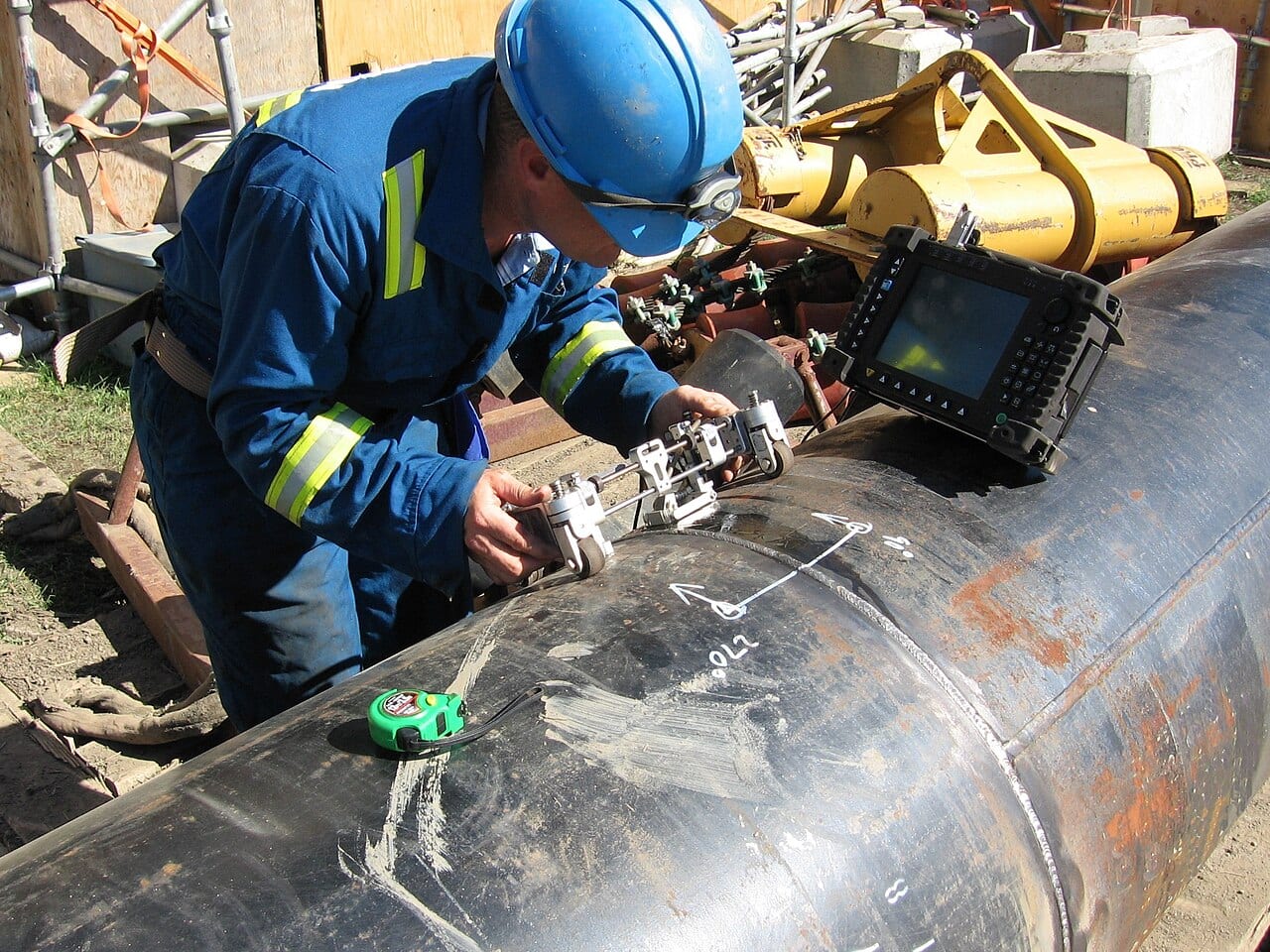
An ultrasonic technician uses sound waves to check metal for wear or flaws. The tool sends a pulse into the part and reads the sound that comes back. On a plant or pipeline job, the technician records where the test took place and tells the inspection team what the readings show.
How Ultrasonic Technicians Check Pipe Walls and Welds
Checks can measure wall thickness or look for flaws in a weld. Follow the approved ultrasonic test procedure. Identify the part and area before collecting data. Different techniques give different coverage.
Keep equipment checks, measurement locations and results traceable. Check evidence against the required criteria. Keep within the level held. An API piping inspector may use thickness data as part of a wider review. The technician needs to show the quality and limits of those measurements.
Report findings and areas that could not be examined. A general NDT role may include several methods, but ultrasonic work has its own skills. Phased array is a more advanced technique. It needs further training and tests. A tool that makes a detailed image still needs a trained user.
Ultrasonic Technician Wages and Job Outlook
Alberta’s broader NDT and inspection group earned CAD 22.00 to 55.00 per hour. Job Bank’s data covers 2023–2024.
U.S. data groups NDT workers with other engineering technicians. The middle 80% of that wider group earned USD 22.61 to 56.89 per hour in May 2025. This is a broad comparison, not an ultrasonic-only wage.
Canada projects about 4,600 openings for the whole NDT group in 2026–2035. About 2,700 could come from retirements.
Ultrasonic Testing Training and Certification
Canada’s NRCan route needs ultrasonic training and exams. Vision and qualifying work experience also apply for the level. NRCan’s phased-array Level 2 route builds on a valid UT Level 2 certificate. Both must cover engineering materials and components. A short tool demonstration does not replace that training.
U.S. certification depends on the employer and scheme specified for the work. Training, experience and tests must meet that practice. Employers teach site procedures and check practical skills. A course alone does not qualify every technique or component type.
Challenges of Working as an Ultrasonic Technician
Surface condition, shape and access can affect test quality. A repeated reading can still be wrong if it belongs to the wrong location. Good records let another technician understand and repeat the check.
Shop, pipeline and plant jobs have different schedules. Outages may mean nights and remote travel.
Perks of Working as an Ultrasonic Technician
You can build a focused skill in finding and describing conditions inside materials. You collect data and interpret it within a defined scope. With more experience and training, you can learn further techniques.