What Does a Metering Engineer Do in Oil and Gas?
A metering engineer designs and checks systems that measure how much oil or gas moves through a station. They choose the meters and check the data for errors. Those numbers can tell a buyer how much to pay for a load or a day of gas.
How Metering Engineers Design and Check Flow Measurement
Define the flow and product conditions for the meter system. Review the design with field and project teams. The calculation may need pressure and temperature as well as flow. Check that the system supplies those readings.
Check existing station data. Support measurement audits. If stations disagree, compare the instruments and calculation settings. Check the data times too. Work with the metering technician on field evidence before recommending a change.
Keep the design and assessment records clear. Update them as the station is built and enters service. Some posts focus on gas measurement, others on liquids. Technical checks support commercial records. Billing changes and settlement decisions follow a separate approval process.
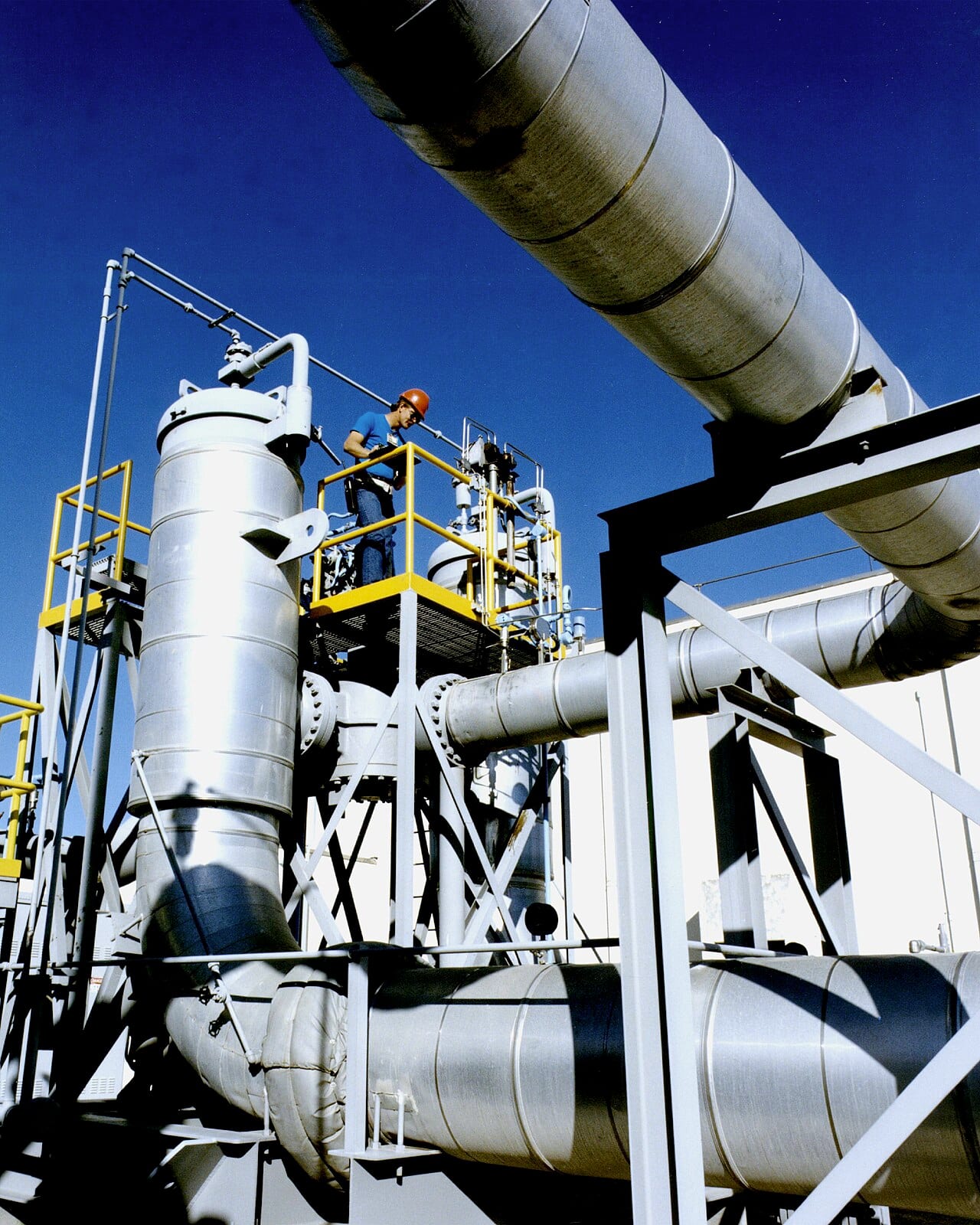
Engineering and Instrument Training for Metering Work
Mechanical or electrical engineering can provide a route. Related engineering study can help too. Learn flow measurement and how the installed instruments feed the recorded result. Employers may seek pipeline or plant experience alongside that study.
Check the local registration rules. Design sign-off depends on the assigned duties. Junior engineers can support data checks under review. Site visits need the required access training. Specialist meter tests need the right field skills.
Challenges of Measuring Oil and Gas for Sale
A small error may affect many recorded transfers before anyone notices. A station can remain in use while the cause is being assessed. Separate instrument error from data or calculation problems. Regional support posts can involve extensive driving and time away.
Perks of Working as a Metering Engineer
You can follow a design into field use. Accurate records matter to both buyers and operators. The role connects instruments with analysis and standards. It can lead toward wider measurement support or plant engineering. Some posts involve more field work than others.