What Does a Millwright Do at an Oil and Gas Plant?
A millwright installs, aligns and repairs machines in plants and on construction sites. In oil and gas, the work often involves pumps, fans, gearboxes and compressors. A millwright may find out why a machine shakes, replace a worn part and check that the equipment runs as it should.
How Millwrights Maintain Oil and Gas Plant Machinery
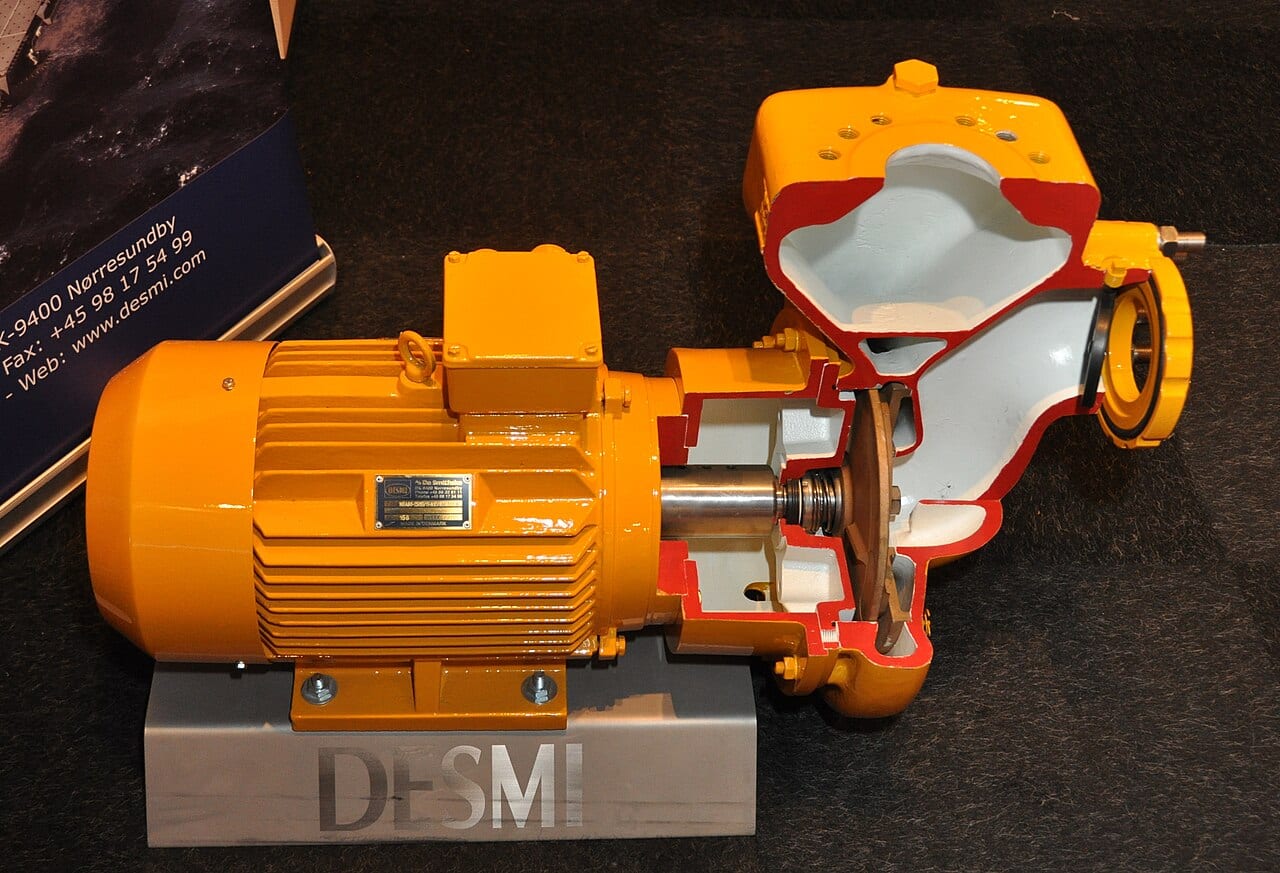
Inspect and maintain the machinery that moves fluids, turns equipment or supports a plant process. Read the work order, drawings and equipment history before planning a repair. A centrifugal pump fault may involve its bearings, seals, shaft alignment or drive. The job is more than replacing the part that looks worn.
Fit and align components, check dimensions and record findings within the approved work. Work with operations on access and return-to-service checks. A vibration analyst may help identify a developing fault. The millwright uses those findings with the machine’s condition and history.
Coordinate with electrical, instrument and lifting teams where the repair crosses trades. A millwright apprentice learns under a mentor. Keep clear records of parts and measurements so the next shift can follow the repair. The site’s named staff retain approval to operate the equipment.
Millwright Wages and Job Outlook
Job Bank’s 2023–2024 data for Alberta shows CAD 27.95 to 59.63 per hour for construction millwrights and industrial mechanics. This range covers the full group.
In May 2025, the middle 80% of U.S. workers in the millwrights group earned USD 22.25 to 45.00 per hour.
Canada projects about 38,400 openings in the Canadian group from 2026 to 2035. About 24,500 could come from retirements.
Training for Industrial Mechanics and Millwrights
A trade apprenticeship is a common route. Alberta’s millwright programme has four periods. A trade certificate is optional for qualified work there. Employers can still ask for it or a Red Seal. Skills must fit the assigned work.
U.S. employers may use apprenticeship or trade study and plant experience. Site courses cover the actual work setting, including permits and isolation. A trade ticket does not give permission to work on every machine. Vendor training may be needed for specialist equipment.
Challenges of Working as a Millwright at a Plant
Large parts, awkward access and close tolerances can make a repair physically demanding. A fault that returns needs further checks, not just another part. Clear measurements help the team decide what to inspect next.
Maintenance and shutdown contracts have different hours and job security. Outages can bring nights and time away from home.
Perks of Working as a Millwright
You can see a machine return to useful service and trace how a repair solved the fault. Skills transfer between many kinds of plant. The trade offers repair, installation and specialist paths. New equipment may need further training.