What Does a Millwright Apprentice Do in Oil and Gas?
A millwright apprentice learns to fix machines such as pumps and fans under a mentor. Early work may include measuring parts, cleaning them, or helping set up a repair. As the apprentice gains skill, they learn to line up machines and look for the cause of wear.
How Millwright Apprentices Learn Plant Machinery Work
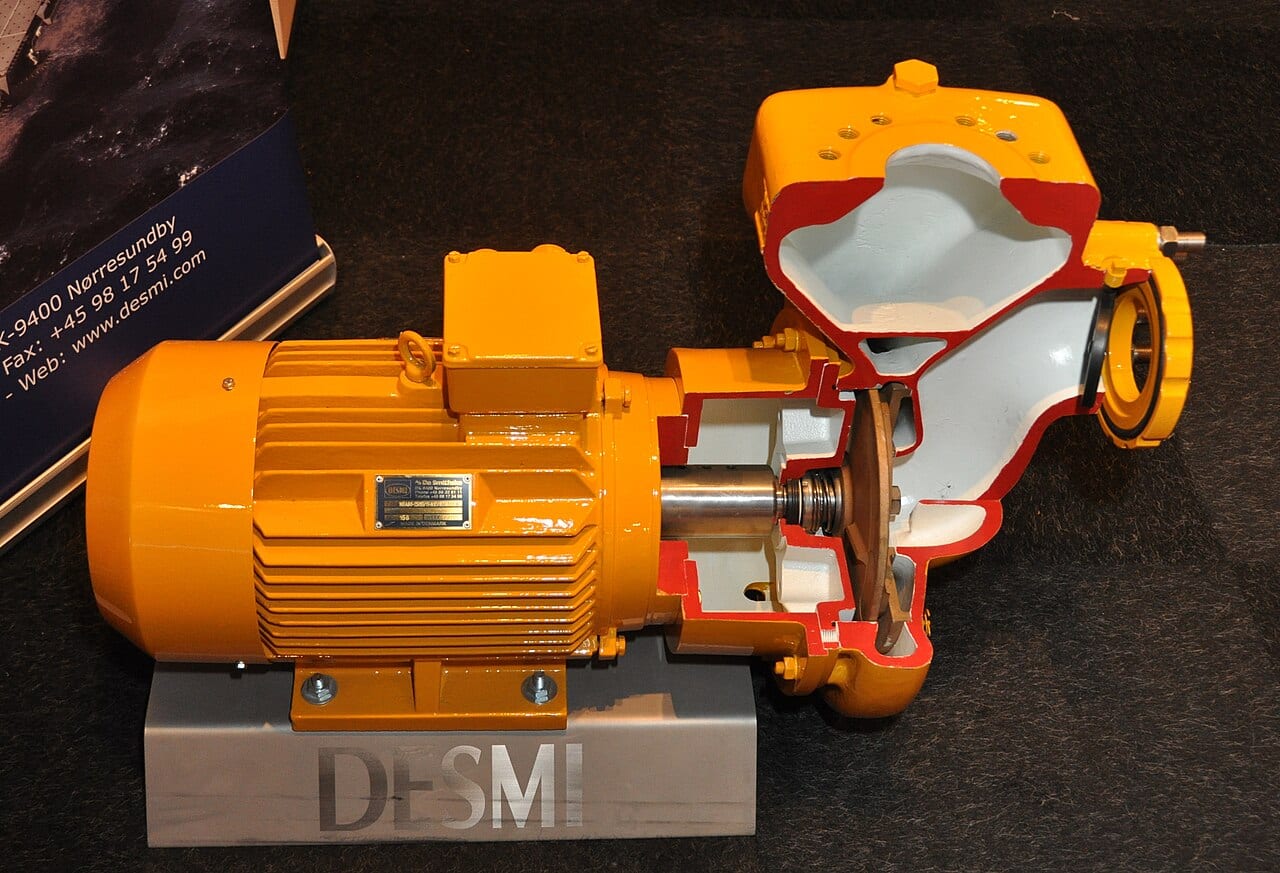
Learn to inspect, fit and maintain plant machinery under a qualified mentor. Start with the drawings, part names and work order. A centrifugal pump repair may involve bearings, seals and the drive connection. The apprentice helps prepare the job and learns why each check matters before taking more complex work.
Practise measuring parts, using tools and recording findings within the assigned scope. A millwright checks the work and teaches how parts fit as a machine. A clean part can still be worn or out of alignment. Learning to spot that difference is part of the trade.
Keep the training record current and ask for experience across the required tasks. A shutdown crew may repeat one job many times; that does not cover the whole apprenticeship. Help leave clear work records for the next shift, including parts changed and checks still due.
Millwright Apprentice Pay Minimums in Alberta
Alberta sets minimum apprentice pay at 60%, 70%, 80% and 90% for periods one through four. The base is the lowest-paid millwright journeyperson employed by the same company.
Canada projects about 38,400 openings in the wider millwright and industrial-mechanic group for 2026–2035. About 24,500 could come from retirements. These are openings across the trade, not a count of new apprentice places.
Millwright Apprenticeship Training in Canada and the U.S.
Alberta’s apprenticeship has four periods of workplace and classroom learning. A sponsorship agreement and qualified mentor are part of earning work credit. Certification is optional for qualified millwright work in Alberta, but employers can still require a trade certificate. An apprentice needs to be registered.
U.S. routes include employer and union apprenticeships. Check the actual programme and what qualification it leads to. Employers may provide site courses after hiring. Jardeg’s temporary Albian example required valid apprenticeship and specified site training; it did not promise a permanent job after the outage.
Challenges of Learning Millwright Work at Oil and Gas Sites
The work can be physical, with awkward access and time on your feet. New tools and close tolerances take practice. A busy crew still needs time to teach and check the apprentice’s work.
Plant outages can mean travel, night shifts and short contracts. Classroom blocks also need planning.
Perks of Starting as an Oil and Gas Millwright Apprentice
You earn while building a practical trade and can see a machine return to service after a repair. The work offers skills used at many kinds of plant. A good mentor gives both hands-on practice and an explanation of the faults behind the job.