What Does an Ocean Bottom Node Technician Do?
An ocean bottom node technician works with sensors placed on the seabed for a seismic survey. Each node records waves that pass through the rock below it. You help get the nodes ready, track where they go, and check that the records come back with the right time and location.
Ocean Bottom Node Technician Duties in Oil and Gas
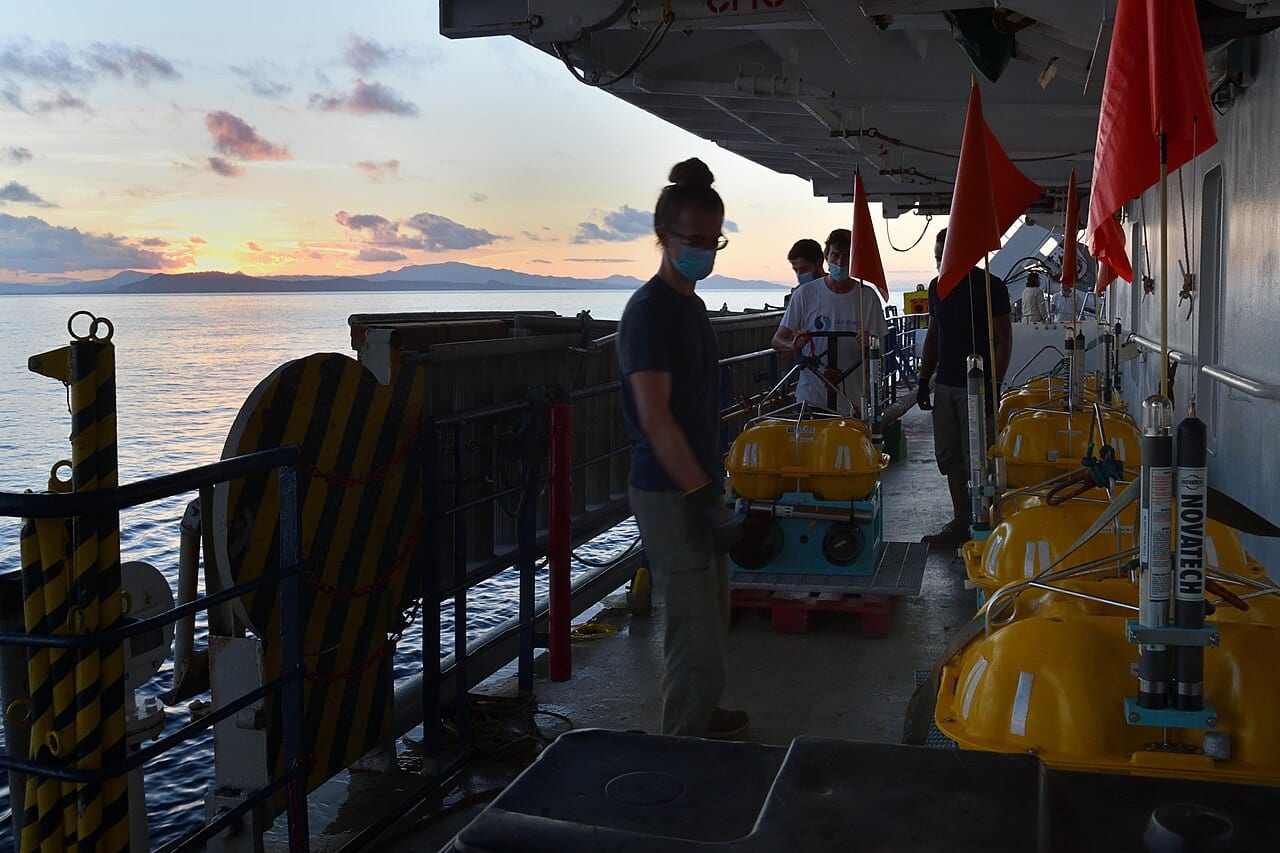
The technician prepares the node systems assigned to a survey. Work can include checking condition, batteries and whether each unit is ready to record. Each node needs its own clear ID. The crew needs to know which unit went to each planned position. The seismic vessel crew helps place and recover them under the survey plan.
When units return, the team retrieves data and checks it against the unit and survey records. A clear history helps locate missing or suspect recordings. Node systems differ. Deck work, electronics and data checks may be split among several posts. A streamer technician instead works with sensors towed behind the vessel.
Ocean Bottom Node Technician Training and Career Path
Electronics, survey or marine work can provide a route. Employers teach their node, charging and data systems. Each worker learns the checks assigned to the post. Vessel jobs need accepted safety and medical documents.
Challenges of Working as an Ocean Bottom Node Technician
A node can record underwater for a long period before the team sees its data. Faults may therefore appear after much of the survey work is done. Records before and after deployment help the team judge what is missing. Watches, shared accommodation and long periods away from home are also part of many offshore assignments.
Perks of Working as an Ocean Bottom Node Technician
You work with electronics that collect data while sitting on the seabed. Preparing equipment and checking the returned record makes the link between workshop work and survey results clear. You may build skills for node systems, recording or equipment support ashore.