What Does a Streamer Technician Do?
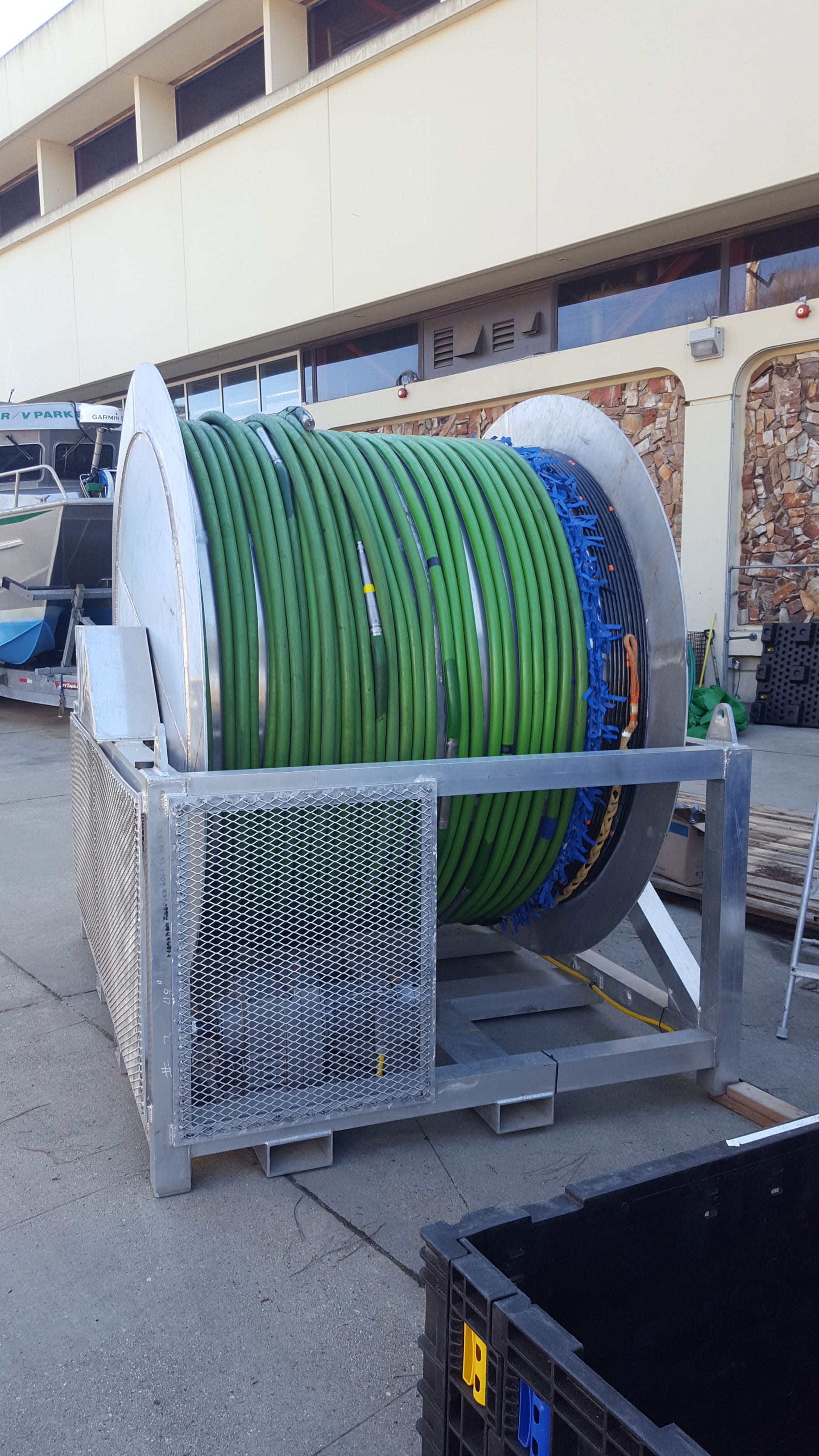
A streamer technician looks after the long cables that a seismic ship tows behind it. Sensors on those cables record waves that come back from below the seabed. You help put the cables in the water, check that they record, and find faults that could leave gaps in the survey.
Streamer Technician Duties in Oil and Gas
The technician checks cable sections, sensors and the gear that holds the streamer at its set depth. They record faults and test results so the crew can trace which section is affected. The seismic vessel crew coordinates deck work with the survey team when gear is deployed or recovered.
A job may focus on electronics, recording or back-deck work. TGS distinguishes observers who monitor equipment and data from mechanics who maintain source and towing gear. The technician needs to know which tasks the post includes. An ocean bottom node technician works with sensors placed on the seabed, rather than a towed spread.
Streamer Technician Training and Career Path
Electronics, marine work or survey-equipment training can provide a route. Employers teach their cable systems, fault records and assigned tests. The vessel may need proof of a medical and the right safety courses before you join.
Challenges of Working as a Streamer Technician
Weather and the ship’s motion can delay deck work or bringing a faulty section back aboard. The survey team needs to know how the fault affects the data. Sea time also means shifts, shared living space and time away from friends or family. Clear fault handovers matter when the next watch takes over.
Perks of Working as a Streamer Technician
You work with electronics and large marine survey equipment in the same job. A repaired section can restore useful data on the next survey line. As you gain skills, you may move into recording, survey systems or equipment support ashore.