What Does a Painter Blaster Do in Oil and Gas?
A painter blaster cleans steel and puts a coat on it to protect it. The work can be on a pipe, a tank, or part of a rig. The blaster takes off rust or old paint. The painter puts on the new coat after the surface has been checked.
Surface Preparation and Coating Duties for Oilfield Painter Blasters
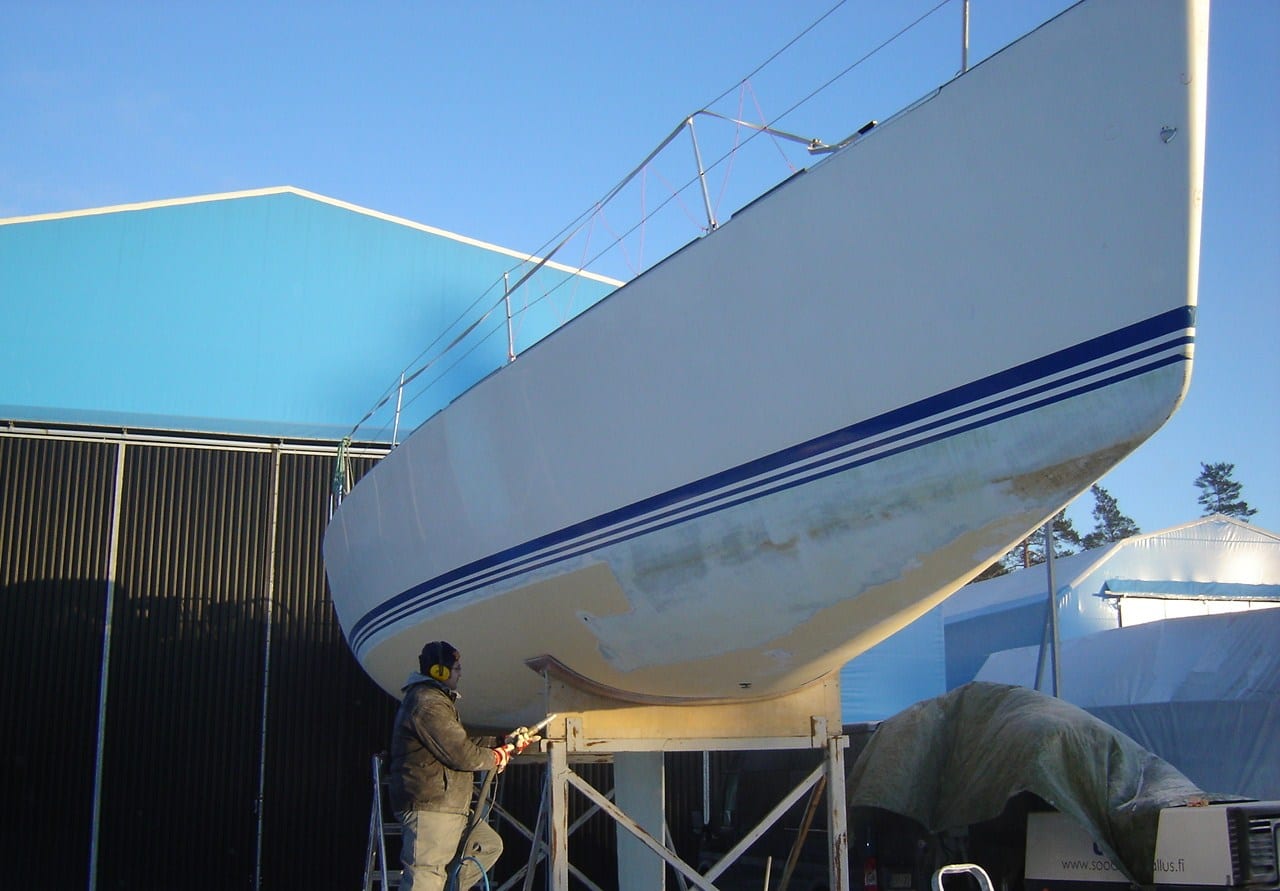
A painter blaster prepares steel and applies the coating specified for the job. The surface may be a tank, pipe or rig structure. You check the work scope and equipment before starting. Cleaning and blasting create a surface the coating can bond to. A smooth-looking finish alone does not prove the preparation was right.
Work to the coating specification and product instructions under the crew’s approved process. Keep records of the materials used and conditions relevant to the coating. A coatings inspector checks the required evidence and finish. Applying the coating and approving it are different duties.
Access and nearby work affect the job. A scaffolder may provide a work platform, while a rope access technician uses a different access method. The crew also manages masking, containment and cleanup. Grit and overspray must not affect nearby equipment or workers.
Painter Blaster Wages and Job Outlook
Job Bank's 2023–2024 Alberta data show CAD 20.00 to 34.82 per hour for painters and decorators, excluding interior decorators.
In May 2025, the middle 80% of U.S. construction and maintenance painters earned USD 18.00 to 37.89 per hour. Both groups cover a wider range of painting work than oilfield blasting and coating.
Canada projects about 17,200 openings in its broader group from 2026 to 2035. About 9,300 could come from retirements.
Skills and Training for Oil and Gas Painter Blasters
Employers may train helpers in surface preparation and coating work under supervision. Industrial experience and a practical skill test can be important for experienced posts. AMPP offers blaster and spray-applicator training and separate certification routes. Completing an entry course is not the same as holding every related certification.
The site’s training must cover the actual coating, dust and access hazards. Check respiratory protection for the job. Confined-space work or work at height can need more training. A general painting background does not by itself qualify someone for every industrial coating job.
Challenges of Blasting and Painting Oil and Gas Steel
Blasting is noisy and physically demanding. Dust control and protective equipment can make communication and movement harder. Weather and surface conditions can change when coating work can proceed. The crew needs a clear plan when the job has to wait.
Shutdowns may involve long shifts and travel, while shop work can be more regular. These can change the demands of two jobs with the same title.
Perks of Working as an Oilfield Painter Blaster
You can see the result as worn steel becomes a prepared and protected surface. The work builds practical skills in equipment, materials and finish quality. Those skills apply in plants, yards and other industrial settings. Inspection or specialist access work needs its own experience and training.